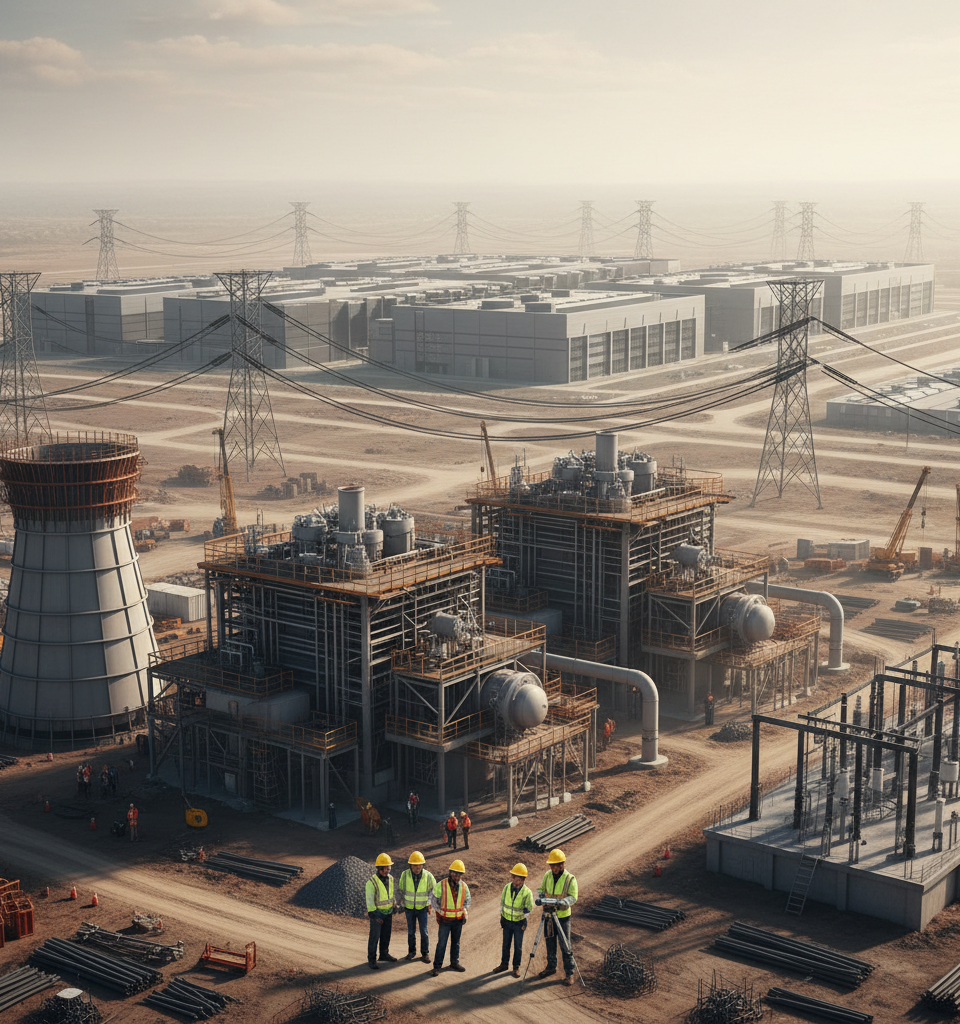
S. power generation landscape, with the cost of building new natural gas-fired power plants skyrocketing by an average of 66% over the past two years. Simultaneously, the average construction timeline for these critical energy facilities has expanded by 23%, creating a dual challenge for utilities striving to meet an unprecedented surge in electricity consumption.
This inflationary pressure and project elongation are directly attributable to the insatiable power appetite of artificial intelligence infrastructure and growing digital services, forcing a reevaluation of energy investment strategies and grid resilience.
Context and Significance
This dramatic escalation in costs and delays marks a critical inflection point for the U.S. energy sector. For years, natural gas has served as a relatively stable and abundant source of dispatchable power, bridging the gap between intermittent renewables and baseload demand. The sudden acceleration in construction costs – nearing a doubling in some cases – underscores the intense competition for resources, skilled labor, and specialized equipment catalyzed by simultaneous investments across various infrastructure sectors, not least of which is the rapid expansion of data center campuses. This shift is not merely an economic concern; it threatens the timely delivery of reliable power, which is fundamental to economic growth and national security.
Key Details and Financial Impact Historically, the capital cost per kilowatt (kW) for a new natural gas combined cycle power plant hovered around $1,000 to $1,200.
Recent analyses indicate this figure has climbed to an average of $1,600 to $2,000 per kW, with some reports pushing even higher. This accounts for expenditures ranging from permitting and land acquisition to turbine procurement, construction, and interconnection. The 23% increase in construction duration translates to projects taking an additional several months, sometimes more than a year, to come online, exacerbating potential supply shortfalls. For a typical 500-megawatt plant, these cost increases can add hundreds of millions of dollars to a project's budget, directly impacting electricity rates and utility investment decisions. Supply chain disruptions, heightened commodity prices for steel and specialized components, and a tight labor market for skilled engineers and construction workers are principal drivers behind these inflated figures.
Industry and Market Impact
The ripple effects of these cost increases are profound, reshaping the strategic priorities of utilities, independent power producers, and policymakers. Utilities are now facing greater financial risks when planning new generation projects, which could lead to increased dependence on existing, potentially aging, infrastructure or a more aggressive push towards demand-side management. Furthermore, the higher cost of natural gas plants could make other generation technologies, including advanced nuclear or long-duration energy storage, more competitively priced in the long term, despite their higher upfront capital costs. The market is also seeing increased scrutiny on permitting processes, with calls for streamlining to reduce design and construction periods.
Expert Perspective Energy analysts are closely monitoring these trends. John Smith, a senior analyst at PowerGrid
Insights, commented, “The rapid expansion of data centers, particularly those supporting AI, is creating an unprecedented demand shock. Utilities are in a race against time, but the supply chain and construction sectors simply aren't scaled to respond this quickly without significant inflationary pressures.” He added, “This isn't just about higher electricity bills; it’s about grid stability and ensuring we can power the digital economy without compromising reliability. We anticipate a re-evaluation of long-term energy forecasts across the board, with a renewed focus on both efficient generation and robust transmission infrastructure.”
Future Implications and Developments
Looking ahead, the industry anticipates a continued stress on power markets as data center build-outs show no signs of slowing. This will likely spur further innovation in energy efficiency for data centers themselves, alongside greater investment in grid modernization and non-fossil fuel generation sources. Utilities are exploring strategies such as co-locating generation facilities directly with data centers to minimize transmission losses and delays. There is also a growing push for federal and state governments to incentivize domestic manufacturing of power plant components and to invest in workforce development programs to alleviate labor shortages. The next few years will be critical in determining how the energy sector adapts to this new paradigm of intensive, localized electricity demand, potentially accelerating the transition to a more diversified and resilient energy mix.