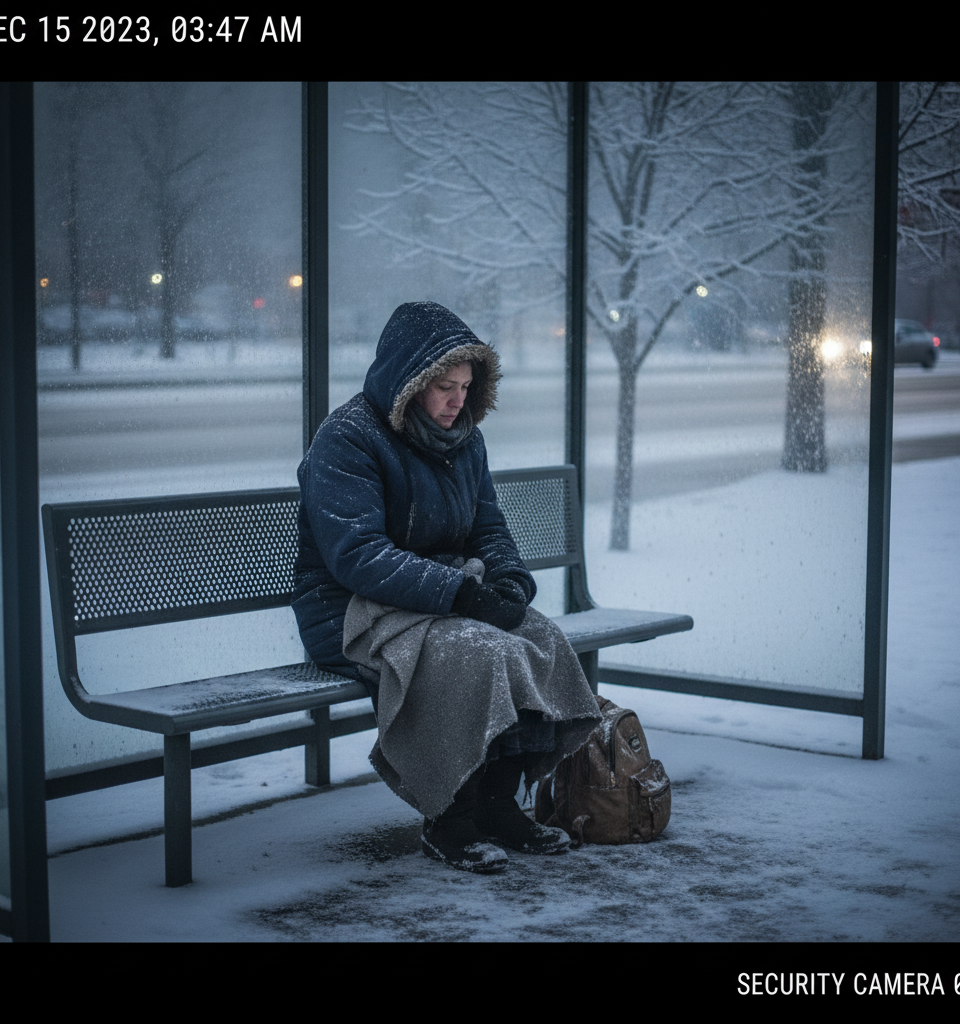
The death of Daphy Michel, a 31-year-old asylum seeker from Haiti, has been officially ruled a homicide, according to recent findings. Michel's passing occurred after she was released by Immigration and Customs Enforcement (ICE) into harsh winter conditions, subsequently being observed on security footage sitting at a bus stop bench for several days in freezing temperatures. The reclassification of her death underscores deepening concerns regarding humanitarian protocols for asylum seekers released into unfamiliar and challenging environments.
Context and Background
This tragic development brings heightened scrutiny to the procedures governing the release of individuals by federal agencies, particularly those without immediate support networks. Asylum seekers, often arriving with limited resources and knowledge of local infrastructure, are particularly vulnerable when released without adequate provisions or shelter plans. Michel's case specifically highlights the severe risks posed by exposure to extreme weather, a recurring issue that advocacy groups have consistently voiced concerns about. The ruling as a homicide suggests that neglect or conditions directly attributable to external actions or inactions played a critical role in her demise, moving beyond a simple accidental death due to exposure.
Key Details
Security camera footage played a pivotal role in establishing the timeline of events leading to Michel's death, showing her stranded at a bus stop bench for an extended period. This visual evidence will be crucial in any subsequent investigations or legal proceedings. The precise details of her release, including the time, location, and any accompanying instructions or resources provided to her by ICE, are expected to be central to understanding the circumstances that led to her protracted exposure. The reclassification to a homicide implies a legal determination that her death was caused by the actions or omissions of another party, rather than solely by natural causes or unavoidable accident.
Broader Implications for Immigration Policy
This ruling is likely to reverberate throughout immigration policy discussions, particularly concerning the ethical and legal responsibilities of government agencies towards individuals in their custody or under their supervision. It could prompt a re-evaluation of post-release protocols for asylum seekers, especially during periods of inclement weather or when individuals lack established connections or safe housing. Humanitarian organizations and civil rights groups are expected to leverage this reclassification to advocate for more robust support systems and stricter guidelines to prevent similar tragedies. The incident could also renew calls for increased transparency and accountability from federal immigration authorities regarding their release policies.
Stakeholder Reactions and Advocacy
Advocacy groups specializing in immigrant rights and humanitarian aid have long criticized the practice of releasing vulnerable individuals without comprehensive support plans, particularly unaccompanied minors or those without established contacts. While specific reactions from these groups are not detailed in the provided information, it is highly probable that this homicide ruling will intensify their efforts to pressure government agencies into implementing more humane and comprehensive release strategies. The focus will likely be on establishing mandatory welfare checks, providing temporary shelter, and ensuring access to essential services, especially for individuals unfamiliar with the local language or environment.
What's Next
The reclassification of Daphy Michel's death as a homicide paves the way for a more intense and potentially criminal investigation. Law enforcement agencies will likely focus on identifying individuals or entities responsible for the conditions that led to her death, including reviewing the actions of those involved in her release. It remains to be seen whether this will result in charges against specific individuals or a systemic overhaul of ICE's release policies. The case is expected to remain a significant point of contention and discussion within both legal and humanitarian circles, as stakeholders seek accountability and systemic changes to prevent future occurrences of this nature. Further details on the ongoing investigation and any potential legal actions are anticipated to emerge in the coming months.