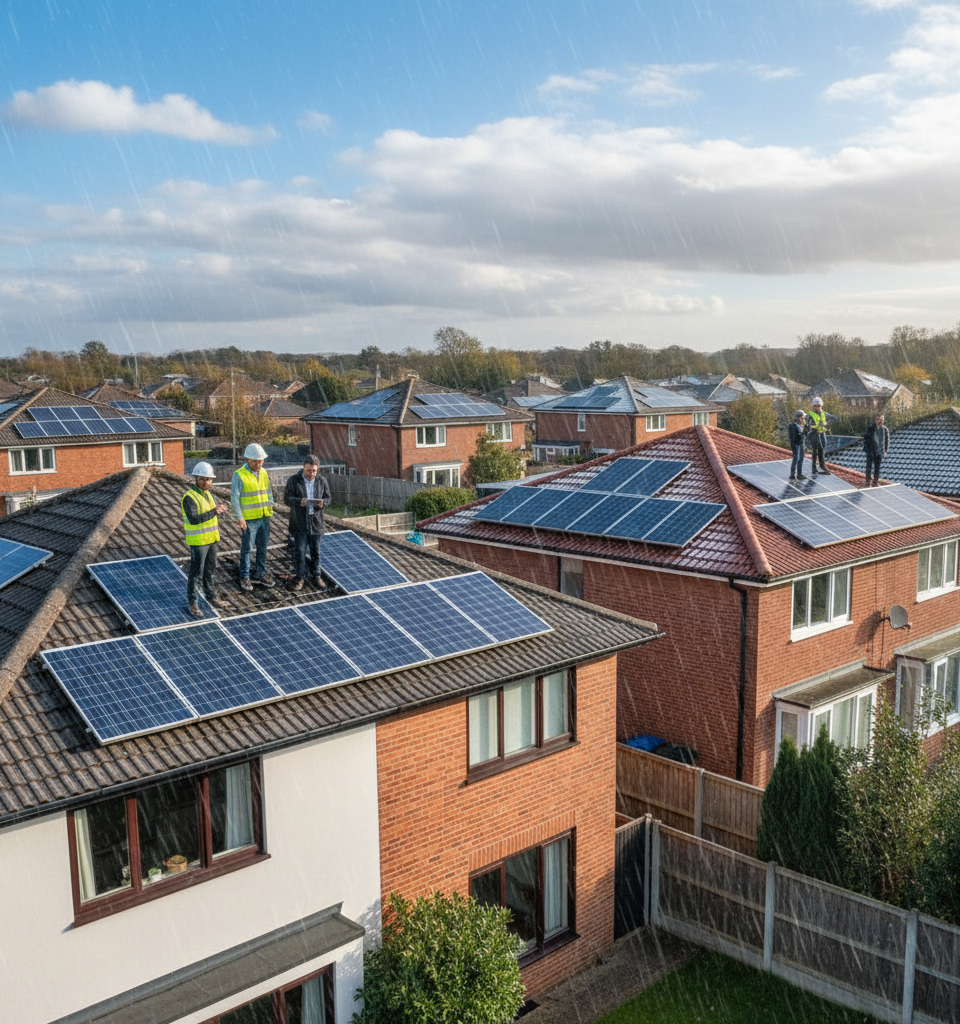
Navigating the complexities of home solar power in 2026 requires diligence from consumers, as a proliferation of misinformation frequently obscures the real benefits and practicalities of photovoltaic systems. Industry experts and consumer advocates are strongly advising homeowners to equip themselves with accurate information to avoid common pitfalls, maximize their investment, and ensure the safe and efficient operation of their solar setups.
The Rising Importance of Solar Literacy
The increasing adoption rates of residential solar technology underscore a broader shift towards renewable energy sources. This surge in interest, however, has also created fertile ground for myths to take root, ranging from the efficacy of panels in various climates to the actual cost-benefit analysis and maintenance requirements. Understanding the factual underpinnings of home solar can significantly influence a homeowner's decision-making process, impacting both their long-term financial health and their contribution to environmental sustainability.
Unpacking Common Misconceptions
Among the frequently encountered myths is the idea that solar panels are ineffective in cloudy or colder climates. Modern solar technology has advanced considerably, with panels now capable of generating a substantial amount of electricity even under less than ideal conditions, leveraging diffuse sunlight. Another persistent myth revolves around the perceived exorbitant costs; while initial installation can be significant, various government incentives, tax credits, and net metering policies often dramatically reduce the long-term financial burden, making solar increasingly accessible and economically viable. Furthermore, advances in battery storage solutions have begun to mitigate concerns about power outages and night-time energy availability, debunking the notion that homes relying on solar are entirely disconnected or vulnerable.
Market Impact and Consumer Empowerment
The prevalence of these myths can directly impede market growth and consumer confidence. When homeowners are misled by inaccurate information, they may either forgo a potentially beneficial investment or make sub-optimal choices regarding system size, technology, or installation partners. Conversely, a well-informed consumer base can drive demand for more sophisticated and efficient solar solutions, fostering innovation within the industry. The energy sector, facing increasing pressure to decarbonize, views educated consumers as critical allies in accelerating the transition away from fossil fuels. Reliable information empowers consumers to engage proactively with installers, understand contractual obligations, and accurately project their return on investment.
Expert Perspectives on Due Diligence
Leading energy analysts and solar technology consultants consistently emphasize the importance of independent research and qualified professional advice. They warn against relying solely on anecdotal evidence or unsubstantiated claims found online. Experts recommend obtaining multiple quotes from certified installers, thoroughly reviewing warranties, and verifying the regulatory compliance of any proposed system. They also highlight the necessity of understanding local energy policies, such as feed-in tariffs or net metering agreements, which can significantly affect the financial viability of a solar installation. The consensus is that due diligence is not just advisable, but essential for a successful solar journey.
The Path Forward: Education and Transparency
Moving into the latter half of the decade, the solar industry and public advocacy groups are expected to intensify efforts to educate consumers. Campaigns aimed at dispelling pervasive myths and providing clear, data-driven information are anticipated to become more widespread. This focus on transparency is crucial for maintaining the momentum of solar adoption and ensuring that homeowners can confidently invest in renewable energy solutions that are suited to their specific needs and local conditions. As technology continues to evolve and integration with smart home systems becomes more seamless, accurate information will remain the cornerstone of intelligent energy choices.