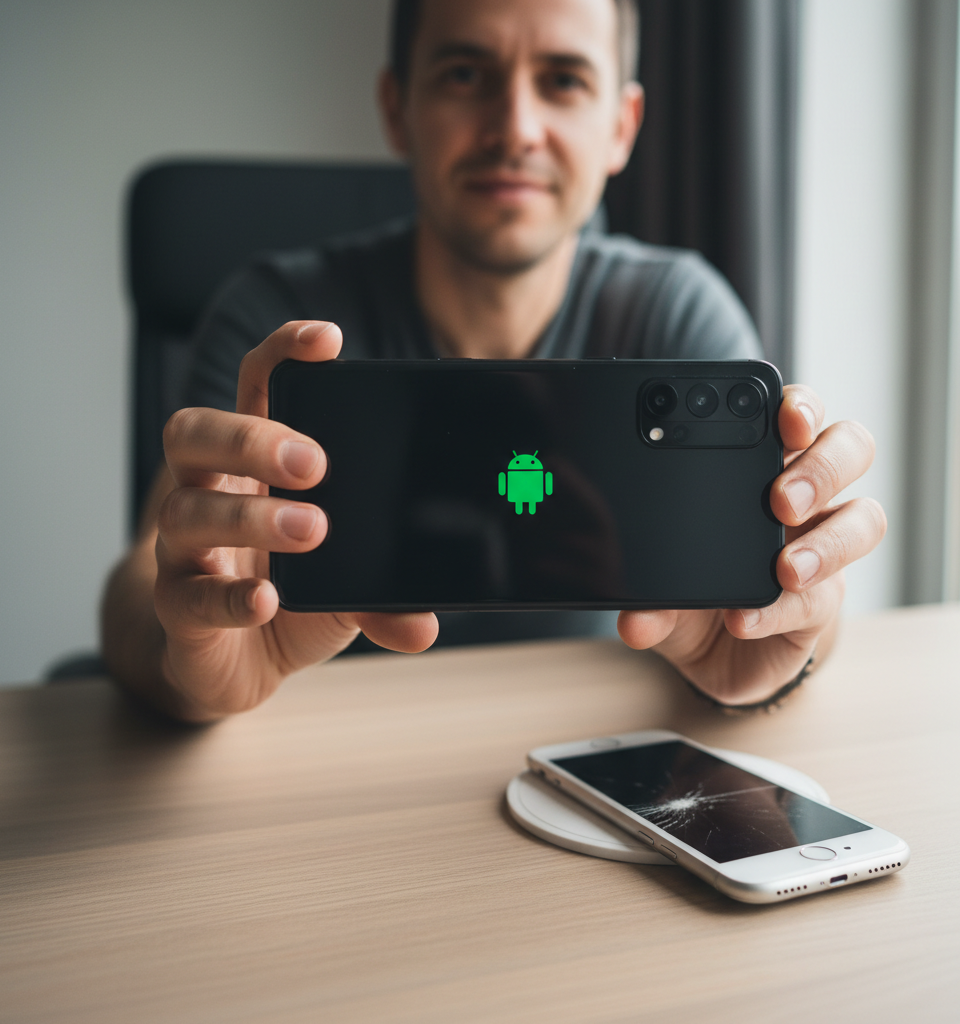
After an unbroken thirteen-year allegiance to Apple's iPhone ecosystem, a prominent tech user is making a definitive and permanent transition to the Android platform. This significant personal decision, revealed this week, wasn't driven by disloyalty but by a realization of having become overly accustomed to a familiar routine. The move underscores a growing trend of users re-evaluating their mobile allegiances in an increasingly feature-rich and diverse smartphone market.
For over a decade, Apple has cultivated a fiercely loyal user base, often citing its intuitive interface, robust privacy features, and seamless ecosystem integration as key retention drivers. However, this individual's shift challenges the notion of unwavering brand dedication, instead pointing to a comfort that, over time, can mask unmet needs or unexplored alternatives. This personal narrative reflects a broader industry dialogue about the perceived stagnation in core iPhone innovation versus the rapid advancements seen across various Android devices.
The decision to switch was reportedly influenced by an accumulation of factors, including perceived limitations in customization, a desire for greater hardware diversity, and an increasing appreciation for specific Android features that have matured significantly. Anecdotal evidence suggests a growing number of long-term iPhone users are exploring or transitioning to Android, often citing reasons such as superior battery life on certain Android flagships, more open file system management, and the flexibility offered by various manufacturer skins. While specific financial figures for individual switches are elusive, collective platform migrations can impact market share percentages, which are rigorously tracked by firms like IDC and Counterpoint Research.
This individual's high-profile defection, while personal, nonetheless registers within the broader context of the fiercely competitive smartphone market. Apple has consistently commanded a premium segment, boasting high customer satisfaction rates and robust profit margins. However, Android's collective ecosystem, bolstered by stalwarts like Samsung, Google, and Xiaomi, has continuously innovated, often introducing features that Apple adopts years later. This dynamic keeps both platforms on their toes, pushing for innovation in areas like camera technology, display refresh rates, and AI integration.
Industry analysts are keenly observing such movements. "While individual switches are common, a long-term user consciously breaking a thirteen-year habit is noteworthy," states Sarah Chen, a senior mobile analyst at TechInsights. "It indicates that the perceived 'stickiness' of iOS, while still strong, is not impenetrable. Android's continuous evolution in areas like foldable technology, advanced AI integration, and diversified pricing strategies is compelling even the most entrenched Apple users to take a second look. Apple needs to ensure its innovation pipeline remains strong to maintain its premium appeal." Reports from Canalys show that while Apple maintains a strong position, Android's collective market share remains dominant globally, often exceeding 70-80%.
The future implications of such shifts are multi-faceted. If more long-term iPhone users follow suit, Apple could face increased pressure to differentiate its offerings beyond incremental updates. Conversely, Android manufacturers could further capitalize by highlighting their platform's flexibility and value proposition. This ongoing competitive landscape is expected to drive further innovation in smartphone hardware and software, ultimately benefiting consumers through more choices and advanced features. The focus for both ecosystems will be on anticipating and meeting evolving user demands, moving beyond brand loyalty to true utility and experience.
The ongoing battle for smartphone supremacy is far from over. As technology evolves at a rapid pace, consumer expectations are similarly dynamic. This personal switch, therefore, serves as a poignant reminder that even the most loyal users are ultimately driven by the desire for the best possible mobile experience, regardless of the operating system.
The coming years will undoubtedly see both Apple and Android contenders push the boundaries of what a smartphone can do. Whether this trend escalates into a larger migration remains to be seen, but it certainly signals a period of heightened competition and strategic innovation across the mobile industry.