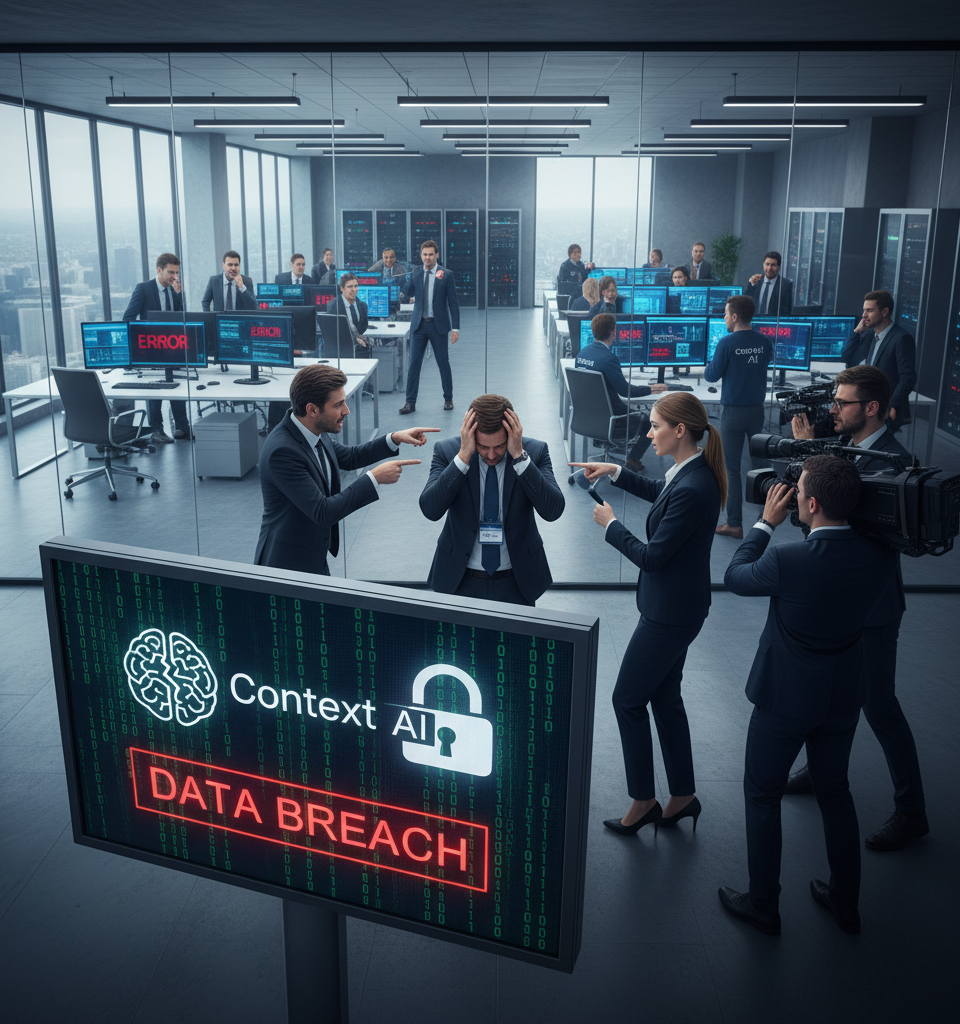
Industry Impact and Broader Implications
The ripple effects of these successive security failures by Delve-certified entities are likely to be profound. For the broader SaaS and AI industries, this incident could trigger a re-evaluation of how compliance and security certifications are assessed and trusted. Enterprise clients, who often mandate comprehensive security audits of their vendors, may now demand enhanced transparency and more rigorous proof points beyond standard certifications. Venture Capital firms, increasingly scrutinizing portfolio companies' security protocols, might also become more wary of startups that have relied solely on certifications from providers like Delve. According to a recent report by Cybersecurity Ventures, the cost of cybercrime is projected to reach $10.5 trillion annually by 2025, highlighting the immense financial and reputational stakes involved.
Expert Perspectives on Third-Party Risk
Cybersecurity experts are weighing in on the escalating concerns. Dr. Anya Sharma, a leading analyst specializing in supply chain security at Stratagem Research, commented, "When a compliance firm repeatedly fails to identify critical vulnerabilities in its clients' systems, it indicates a fundamental flaw in their methodology or due diligence. This isn't just about Delve; it's a wake-up call for the entire third-party risk management ecosystem. Companies need to look beyond a 'stamp of approval' and conduct independent, continuous assessments." Other experts point to the rapid pace of development in AI, which can outstrip traditional security auditing processes, further complicating the role of compliance providers.
What's Next: Investigations and Industry Shifts Both Delve and Context
AI are expected to face intense scrutiny in the coming weeks. Regulatory bodies, particularly those concerned with data protection and AI ethics, may launch investigations into the extent of the breaches and the efficacy of Delve's certification processes. Context AI will undoubtedly undertake a comprehensive internal review and work to rebuild trust with its clientele. For Delve, the path forward is fraught with challenges; regaining market confidence will require a complete overhaul of its security assessment methodologies, increased transparency, and potentially new leadership. The AI industry, in general, might see a push for more standardized, real-time security validation frameworks that can keep pace with rapid technological advancements, rather than relying on periodic, snapshot certifications. As the dust settles, the incidents involving Context AI and Delve serve as a stark reminder of the critical importance of robust and independently verifiable cybersecurity measures in an interconnected and data-driven world. The long-term implications for Delve's business and its clients remain uncertain, but one thing is clear: the trust equation in digital compliance has been severely shaken.