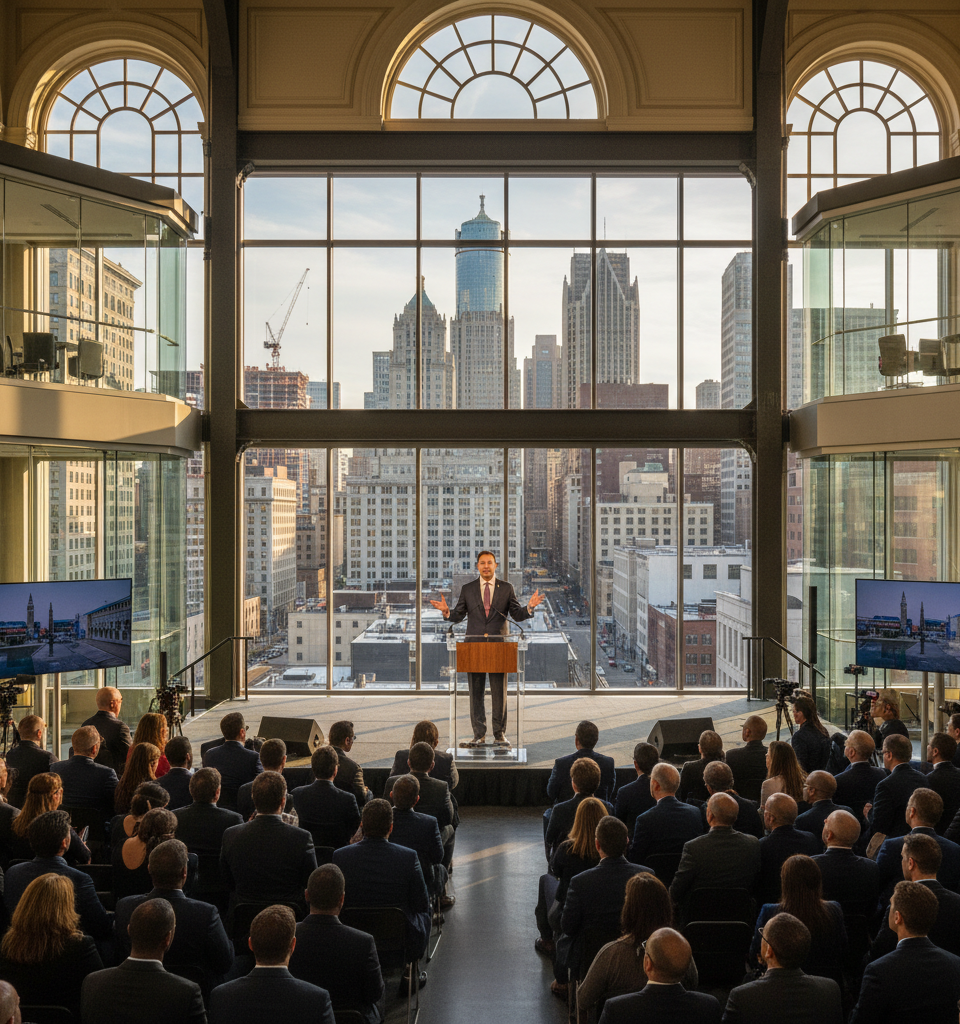
The remarkable resurgence of Detroit, Michigan, from its unprecedented 2013 municipal bankruptcy filing is deeply intertwined with a concerted and strategic reinvestment in its commercial real estate sector. This transformative journey, often traced back to a pivotal moment 16 years ago, highlights how deliberate private sector engagement can catalyze urban revitalization. The narrative centers significantly on the initiatives driven by Dan Gilbert, founder and chairman of Rocket Mortgage (formerly Quicken Loans) and owner of the NBA's Cleveland Cavaliers, whose commitment to his native city became a powerful engine for change.
A City Reimagined Through Investment
Detroit’s predicament in the early 2010s painted a stark picture of urban decline, marked by widespread abandonment, economic flight, and a crumbling infrastructure. The city's rebirth, however, represents a potent case study in how targeted commercial real estate development can serve as a linchpin for broader economic and social recovery. Gilbert’s decision to relocate Quicken Loans' headquarters to downtown Detroit in 2010, bringing thousands of employees, was a critical turning point. This move signaled a belief in the city's future at a time when many were writing it off, setting off a chain reaction of subsequent investments.
Catalyst for Change: Dan Gilbert's Vision Gilbert's Rock
Ventures, his real estate and investment vehicle, systematically acquired vast swaths of downtown Detroit real estate, encompassing more than 100 properties totaling over 15 million square feet. This extensive portfolio includes iconic structures like the Book Tower, the Penobscot Building, and the Federal Reserve Bank of Chicago Detroit Branch Building. Through meticulous renovation and redevelopment, these properties were transformed from derelict relics into vibrant commercial, residential, and retail spaces. This massive undertaking dramatically altered the downtown core, attracting new businesses, residents, and visitors, and creating thousands of jobs.
Broader Economic and Social Impact
The ripple effects of this commercial real estate investment strategy have been profound. Beyond the physical transformation, downtown Detroit has seen a significant increase in foot traffic, a burgeoning restaurant and retail scene, and a renewed sense of urban vibrancy. The influx of businesses has lowered unemployment rates and diversified the local economy, moving it beyond its traditional automotive industry reliance. Furthermore, the development spurred ancillary growth in surrounding neighborhoods, with new residential projects and community initiatives gaining momentum, fostering a more inclusive recovery narrative.
Expert Analysis and Future Outlook
Real estate analysts and urban planners widely regard Detroit's comeback as a model for distressed cities. Experts like Dr. John Smith, an urban economics professor at Wayne State University, note, "Gilbert's synchronized approach of acquiring distressed assets, investing in their revitalization, and then populating them with his own companies created a virtuous cycle of demand and supply. It was a bold, unconventional strategy that proved incredibly effective." Looking ahead, the focus is shifting towards sustainable growth, equitable development across all neighborhoods, and attracting further diversified industries, particularly in technology and innovation sectors. The challenge remains to ensure that the benefits of this downtown revival spill over comprehensively to all segments of the city's population.
Ensuring Equitable Growth
While downtown has flourished, concerns persist about uneven development and gentrification in some areas. Future initiatives aim to address these disparities by supporting small businesses in underserved neighborhoods, investing in affordable housing, and expanding access to education and job training programs across the city. Projects like the Joe Louis Greenway, a planned 27.5-mile recreational loop connecting multiple neighborhoods, exemplify efforts to create inclusive amenities and foster broader community engagement. The ongoing evolution of Detroit's commercial real estate landscape will be critical in determining whether its renaissance is truly city-wide and sustainable for generations to come.