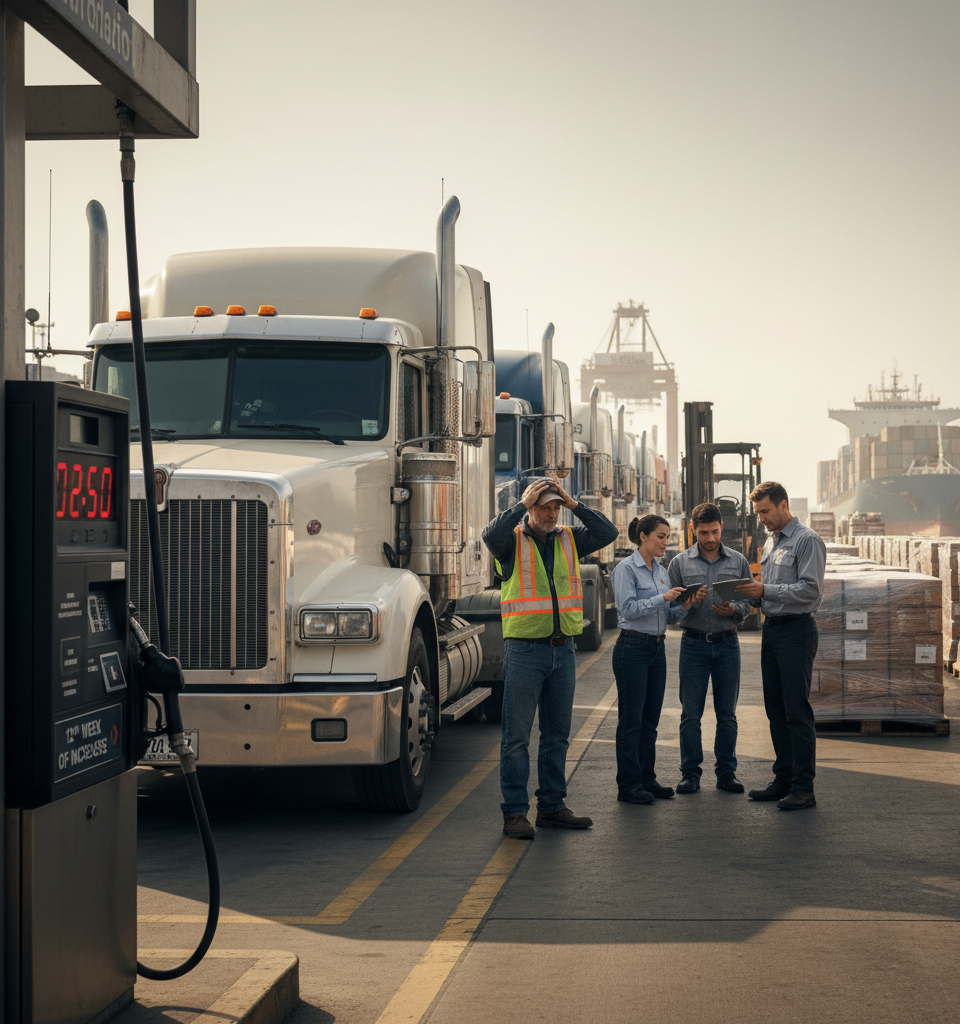
WASHINGTON D.C. – The Department of Energy's Energy Information Administration (DOE/EIA) has reported a significant increase in the national average benchmark price for diesel, with the latest update showing an almost 25-cent rise. This marks the twelfth consecutive week of escalating prices, a trend that is sending ripples of concern throughout the transportation, logistics, and retail sectors. For industries heavily reliant on diesel fuel, particularly the trucking and freight forwarding sectors, this sustained climb directly translates into higher operational costs, inevitably passed down the supply chain.
Unpacking the Persistent Price Climb
The benchmark price, which serves as the foundational metric for most fuel surcharges levied by carriers, has been on an unrelenting upward trajectory since early summer. This extended period of rising costs stands in stark contrast to the more volatile, yet often cyclical, price movements observed in previous years. Analysts point to a confluence of factors contributing to this persistent climb, including tightening global supply, robust demand, and ongoing geopolitical tensions affecting crude oil markets. The sheer duration of this upward trend is particularly alarming, signaling more than just a temporary market fluctuation.
Key Financial Impacts and Industry Data
The latest DOE/EIA report indicates an increase of approximately 24.8 cents per gallon, pushing the national average closer to the mid-$4 range. While specific regional variations exist, the overall trend is unequivocally upward across all major U.S. reporting districts. For a typical Class 8 truck averaging 6.5 miles per gallon and traveling 100,000 miles annually, this 25-cent increase alone adds nearly $3,850 to annual fuel expenses. When extrapolated across the millions of commercial vehicles operating nationwide, the cumulative financial burden on the trucking industry becomes astronomical, potentially running into billions of dollars annually if the trend continues.
Broader Economic Repercussions and Supply Chain Strain
The sustained surge in diesel prices is not merely an inconvenience for trucking companies; it represents a significant inflationary pressure on the entire U.S. economy. Nearly all goods consumed in the United States, from groceries to manufactured products, are transported by truck at some point in their journey from producer to consumer. Higher diesel costs directly translate into higher shipping costs, which are then absorbed into the final retail price of goods. This phenomenon exacerbates inflationary pressures, potentially eroding consumer purchasing power and contributing to broader economic slowdowns. Supply chains, already grappling with post-pandemic disruptions and labor shortages, now face an additional layer of financial strain.
Expert Commentary: What Analysts Are Saying
Industry experts are expressing growing concern over the extended duration of this price hike. Dr. Eleanor Vance, a lead economist specializing in transportation logistics, commented, "While we've seen spikes before, the sustained, twelve-week increase without significant pullbacks is highly unusual and suggests deeper, structural issues in the energy market, rather than just short-term supply-demand imbalances. Carriers are already operating on thin margins, and this relentless increase will force difficult decisions regarding surcharges, service levels, and potentially even capacity." She further elaborated that smaller carriers, with less negotiating power for fuel purchases, would likely be disproportionately affected, potentially leading to further industry consolidation.
The Road Ahead: Forecasts and Future Implications
Looking forward, the immediate forecast for diesel prices remains uncertain, though many analysts predict continued upward pressure in the short to medium term. Factors to watch include global crude oil production decisions by OPEC+, ongoing geopolitical conflicts, and the winter demand season in the Northern Hemisphere. The trucking industry is bracing for potentially higher fuel surcharges, which will inevitably be passed on to shippers and ultimately to consumers. Policymakers are also likely to face increased calls to address energy costs and their effect on inflation. The sustained rise underscores the urgent need for long-term strategies to enhance energy independence and diversify supply chain resilience against volatile fuel price fluctuations, highlighting a critical challenge for the coming months and potentially into the new year.
Mitigating Strategies and Industry Adaptations
In response to these escalating costs, freight and logistics companies are exploring various mitigation strategies. These include optimizing routes for fuel efficiency, investing in newer, more fuel-efficient fleets, and leveraging technology to minimize idling time. Shippers are also re-evaluating their sourcing and distribution networks to reduce transportation miles. However, these long-term solutions offer limited immediate relief. The immediate impact means that businesses across the board must factor in higher freight expenses, potentially leading to increased inventory holding costs as they try to manage unpredictable shipping budgets. The coming weeks will reveal if this relentless price climb finds a ceiling or continues to break new ground, further challenging the recovery of global supply chains.