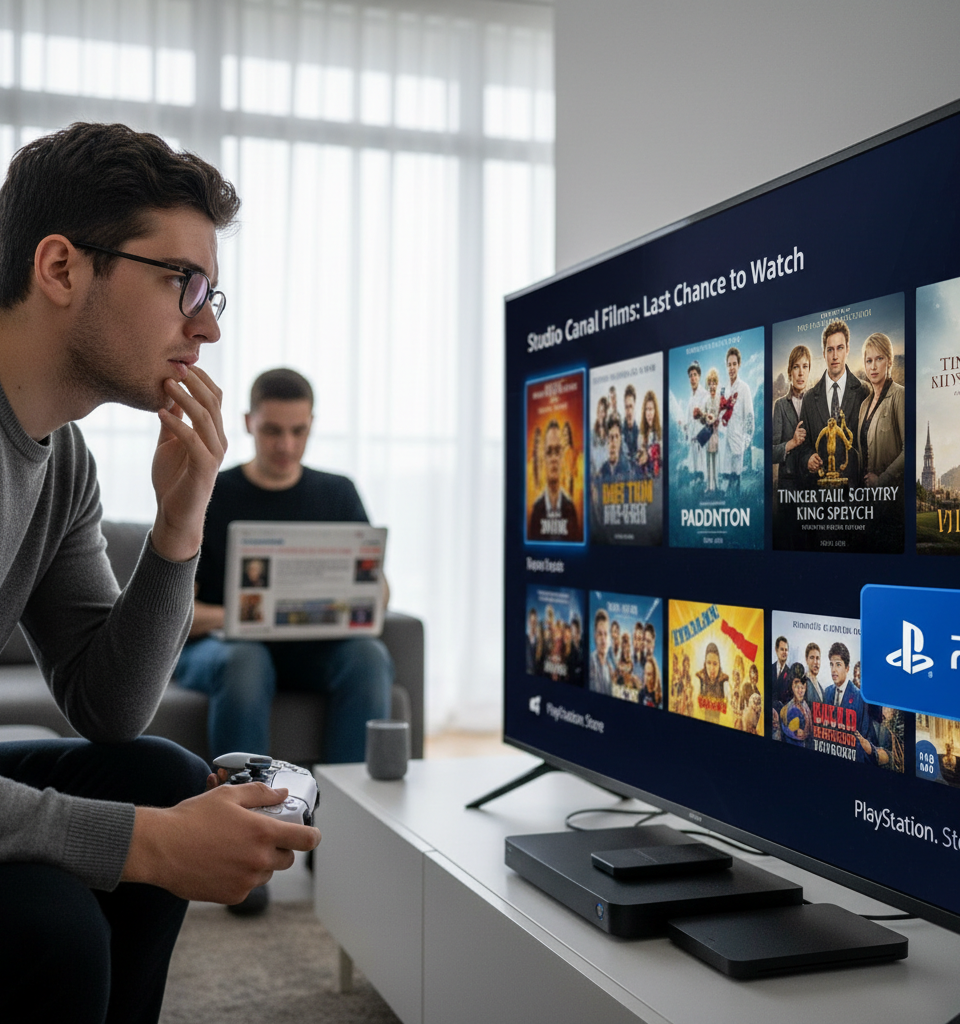
European consumers who have purchased Studio Canal films via the PlayStation Store are soon to discover that their digital libraries are impermanent, as these titles are slated for removal from the platform. This situation highlights a critical aspect of digital content acquisition: consumers often purchase licenses to access content rather than outright ownership, a distinction that can lead to purchased items disappearing from their accounts due to evolving licensing agreements or platform decisions.
The Shifting Landscape of Digital Ownership
This impending removal serves as a stark reminder of the often-overlooked terms and conditions associated with digital purchases. Unlike physical media, which offers tangible ownership regardless of platform viability or licensing changes, digital content typically operates under a revocable license model. When consumers 'buy' a film or game digitally, they are frequently acquiring a right to access that content for an unspecified period, contingent on the content provider's and platform owner's ongoing agreements. This particular instance involving Studio Canal and the PlayStation Store is not unprecedented, echoing similar situations where digital rights management (DRM) and licensing expirations have resulted in content becoming inaccessible to users who believed they had made a permanent purchase.
Implications for Consumers and Platforms
The looming removal of Studio Canal films from European PlayStation Store accounts carries significant implications for both consumers and digital distribution platforms. For consumers, it erodes trust in the concept of digital ownership and raises questions about the long-term value of their digital investments. Many may feel that their purchases, once considered permanent, are subject to arbitrary removal, potentially leading to frustration and a re-evaluation of their digital spending habits. For platforms like the PlayStation Store, such incidents can damage goodwill and potentially lead to calls for greater transparency in licensing terms or even regulatory intervention regarding digital content rights.
Broader Industry Impact
This development resonates across the broader digital entertainment industry, impacting streaming services, online game stores, and e-book platforms alike. The lack of true ownership in the digital realm is a recurring theme, and each instance where content is removed reinforces the precarious nature of digital libraries. Content creators and distributors rely on licensing models for revenue, but the consumer expectation of perpetual access often clashes with the reality of these agreements. This tension could accelerate discussions about alternative models, such as blockchain-based content ownership, or push for clearer communication about content longevity at the point of sale.
The Path Forward: Transparency and Consumer Rights
Moving forward, there will likely be increased scrutiny on how digital content providers communicate the terms of purchase to consumers. Industry experts suggest that platforms might need to be more explicit about the potential for purchased content to become unavailable over time, ideally offering clear timelines or alternative solutions, such as refunds or migrations to other platforms, when such events occur. Consumer advocacy groups are also likely to leverage incidents like this to push for stronger digital consumer rights, emphasizing the need for protections that ensure the enduring value of digital purchases.
The situation with Studio Canal films on the PlayStation Store in Europe serves as a crucial case study in the ongoing evolution of digital commerce. It underscores the critical need for a re-evaluation of what 'buying' truly means in the digital age and highlights the continuous challenge of balancing robust licensing agreements with consumer expectations of permanent access to their purchased content. As the digital content ecosystem matures, the imperative for clarity, trust, and equitable consumer protection will only grow stronger.