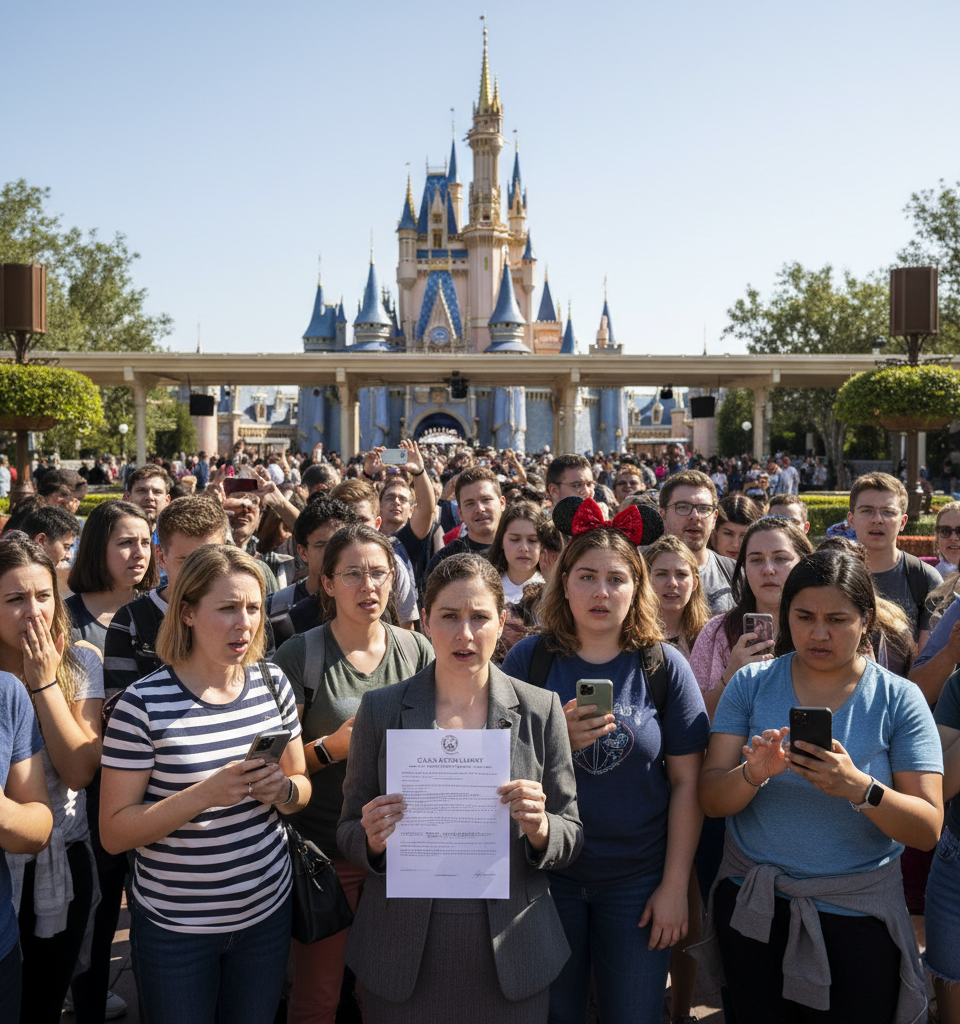
Walt Disney Parks and Resorts is currently facing a class action lawsuit alleging insufficient disclosure to park visitors regarding its use of facial recognition technology. The complaint, filed recently, contends that patrons are not adequately informed that their biometric data, specifically facial scans, may be collected during their visits to Disney's popular theme parks.
The legal action underscores growing concerns over data privacy and the deployment of advanced surveillance technologies in public spaces. As companies increasingly integrate facial recognition for security, operational efficiency, or personalized experiences, the legal and ethical frameworks governing such practices are coming under intense scrutiny. Disney, as a global entertainment giant, often sets precedents and standards within the leisure and tourism industry, making this lawsuit a significant test case.
The Core Allegation
The central claim of the lawsuit is the alleged lack of prominent and clear disclosure. Plaintiffs argue that visitors are not given sufficient notice, understanding, or opportunity to consent to the scanning of their faces. This could potentially violate various state and federal privacy statutes, which often mandate explicit consent or at least clear public notification when biometric data is being collected. For visitors accustomed to Disney's meticulously crafted guest experience, the notion of covert or inadequately disclosed surveillance introduces a novel and potentially unsettling element.
While Disney utilizes an array of advanced technologies to manage its parks and enhance safety, the specifics of its facial recognition deployment, particularly regarding visitor notification, remain at the heart of this legal challenge. Observers note that the company has not publicly detailed the exact nature or extent of its facial recognition systems, leaving questions about their purpose and data handling protocols.
Broader Industry Implications
This lawsuit could have far-reaching implications beyond Disney. The leisure and hospitality sectors, increasingly reliant on technology for operational efficiency and security, often explore and implement advanced biometric systems. A ruling against Disney could establish a stronger legal precedent for consumer consent and transparency requirements concerning facial recognition, potentially compelling other theme parks, entertainment venues, and public spaces to re-evaluate their own disclosure practices. It reinforces the nascent but undeniable trend towards greater accountability for corporations handling sensitive personal data.
Privacy advocates have continuously highlighted the need for robust legal frameworks to govern biometric data collection, citing potential misuse, data breaches, and the erosion of individual anonymity in public. This legal challenge against a high-profile entity like Disney brings these concerns to the forefront, intensifying the debate over the balance between security and individual privacy rights.
Next Steps in the Litigation
The class action status of the lawsuit means that if approved, it could represent a large number of affected individuals, potentially culminating in significant financial penalties or mandated changes to Disney's operational procedures. The litigation is expected to proceed through discovery, where both sides will gather evidence, and potentially move towards settlement negotiations or a trial. Legal experts suggest that the outcome will hinge on the interpretation of existing privacy laws and the court's assessment of Disney's current disclosure signage and policies. The case will be closely watched by legal professionals, privacy advocates, and the technology industry alike, as it could shape future guidelines for biometric data use in public settings.