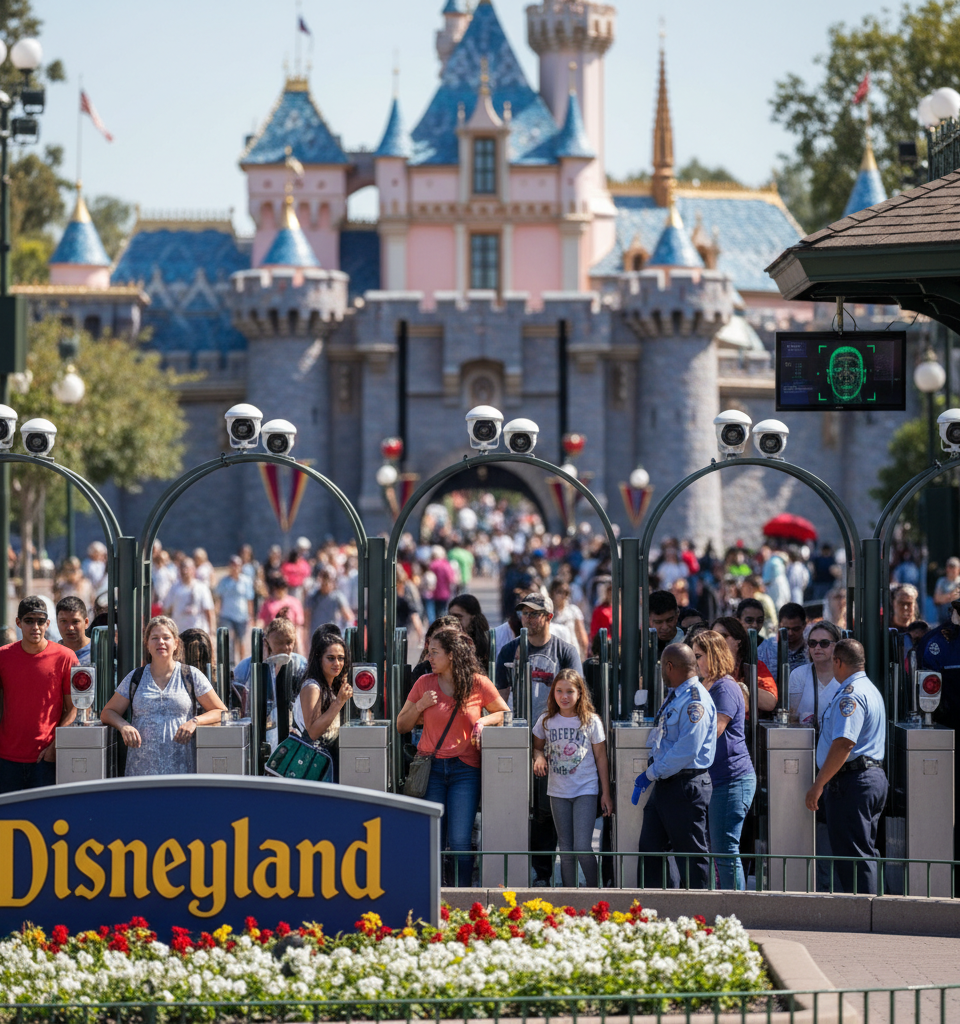
Disneyland, the iconic Southern California theme park, has reportedly begun implementing facial recognition technology to identify visitors, ushering in a new era for park operations and guest management. While specific details on the scope of the deployment remain under wraps, the integration of such advanced biometric systems signifies a broader trend towards enhanced security and personalized experiences within major entertainment complexes.
Context and Background
The adoption of facial recognition by a major entertainment conglomerate like Disney is a pivotal moment, reflecting a growing societal push towards integrating sophisticated surveillance technologies into everyday life. For decades, theme parks have relied on traditional methods like tickets, turnstiles, and security personnel. The shift to facial recognition represents a fundamental re-evaluation of these practices, driven by a desire for increased operational efficiency, enhanced security protocols, and potentially, richer guest data collection. This move follows a global trend where airports, smart cities, and now, popular tourist destinations are exploring the capabilities of biometrics.
Key Details
While an official announcement from Disney regarding the specifics of the facial recognition system is pending, reports indicate the technology is being deployed at entry points and potentially within the park. The primary objectives are believed to include streamlined entry processes, improved security against unauthorized access, and potentially, the ability to tailor guest experiences. This deployment by Disney, a company known for its significant resources and global influence, could accelerate the adoption of similar technologies across other major theme parks and attractions. The move also comes amidst a backdrop of increasing cybersecurity scrutiny, with agencies like the NSA actively testing AI models like Anthropics's Mythos Preview for vulnerabilities, highlighting the urgent need for robust security in any new technological deployment.
Industry and Market Impact
Disneyland's embrace of facial recognition is poised to send ripples across the entire entertainment and hospitality industries. Competitors, from Universal Studios to regional amusement parks, will likely assess their own strategies for security and guest management in light of Disney’s implementation. This could spur a competitive race in adopting advanced biometric solutions, creating a burgeoning market for security technology providers. However, it also raises the specter of increased surveillance creep across entertainment venues, potentially altering the perception of privacy for millions of visitors annually. The investment required for such systems is substantial, suggesting that only major players may initially be able to afford comprehensive rollouts.
Expert Perspective
Privacy advocates and cybersecurity experts are closely monitoring Disneyland's move. Eva Galperin, Director of Cybersecurity at the Electronic Frontier Foundation, has consistently voiced concerns about the proliferation of unchecked facial recognition technology, citing potential for misuse, data breaches, and the erosion of individual privacy. Experts warn that while the stated goal may be security, the massive datasets collected could be vulnerable to breaches, as evidenced by recent high-profile incidents like the Scattered Spider hacking spree, where a Finnish teen was recently charged.
They also emphasize the need for transparency regarding data retention policies, consent mechanisms, and the potential for sharing biometric data with third parties. Legal scholars are also debating the regulatory frameworks needed to govern such widespread biometric collection in private spaces, especially in the absence of comprehensive federal privacy laws in the United States.
What's Next
The immediate future will likely see calls for greater transparency from Disney regarding their facial recognition policies and how visitor data will be handled. Lawmakers and regulatory bodies may come under increased pressure to establish clear guidelines and protections for biometric data collected by private entities. We can anticipate consumer groups launching awareness campaigns and potentially legal challenges. Furthermore, the success or failure of Disneyland's implementation, both from a technological and public perception standpoint, will undoubtedly influence whether other major venues choose to follow suit or adopt alternative security measures. The broader implications for personal privacy in public and semi-public spaces are profound, necessitating a careful, nuanced approach from both industry and government.