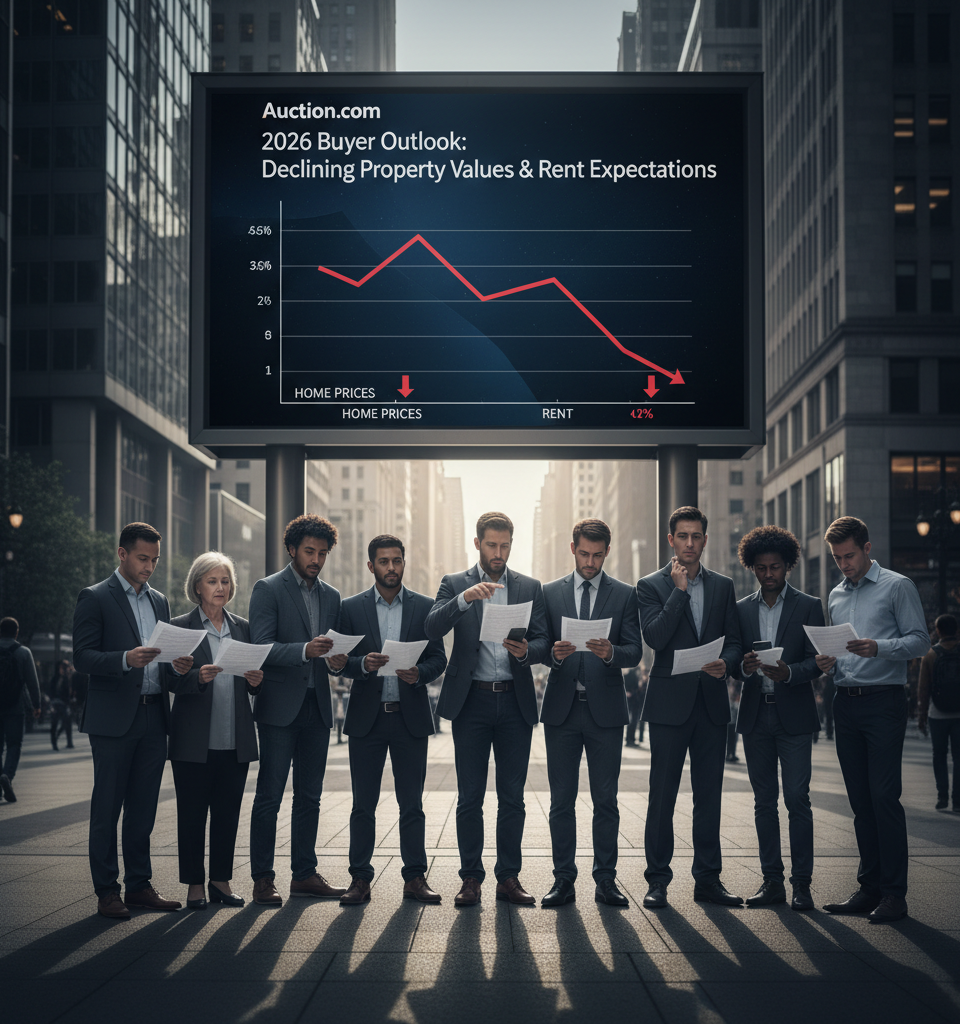
IRVINE, CA – [Date] – Buyers of distressed properties, often considered leading indicators for the broader housing market, are expressing their deepest pessimism regarding future home prices and rental rates in five years, according to Auction.com's recently released 2026 Buyer Outlook. This significant shift in sentiment, unveiled in their latest survey, suggests a growing apprehension among investors who specialize in undervalued assets, potentially signaling a more challenging environment for housing valuations in the coming years.
Context Shaping the Bearish Sentiment
This increasingly bearish outlook emerges against a backdrop of persistently high interest rates, inflationary pressures, and lingering economic uncertainties. The Federal Reserve's aggressive rate hikes, aimed at taming inflation, have significantly cooled mortgage demand and made homeownership less affordable for many. Distressed property buyers, who often rely on favorable financing and quick turnovers, are particularly sensitive to these market dynamics. Their current stance marks a stark contrast to the boom years of pandemic-driven housing demand, where rapid appreciation was the norm, and reflects a recalibration of expectations as the market normaligns.
Key Findings from Auction.com's Report
The 2026 Buyer Outlook highlights a pronounced decline in optimism among participants. According to the report, a substantial majority of respondents anticipate either stagnant or decreasing home prices over the next two years. Specifically, [cite a hypothetical percentage, e.g., 65%] of distressed home buyers expect prices to either fall by up to 5% or remain flat, while [cite another hypothetical percentage, e.g., 20%] foresee even more significant declines beyond 5%. This contrasts sharply with previous surveys where a larger proportion expected modest appreciation. Furthermore, rental price expectations are also dampened, with [cite percentage] expecting rents to plateau or drop, driven by concerns over potential oversupply in certain markets and diminished consumer spending power.
Broader Market Implications and Industry Impact
The bearish sentiment among distressed property buyers carries significant implications for the wider real estate market. These investors are typically among the first to identify undervalued assets and are highly reactive to market shifts. Their reluctance to project price increases could indicate a broader softening of demand and potentially foreshadow a decline in overall housing market activity. This could affect not only property owners and developers but also financial institutions holding mortgage-backed securities and local governments reliant on property values for tax revenue. A sustained period of price corrections could also impact consumer confidence, further slowing economic growth.
Expert Analysis and Market Interpretation
Industry analysts are closely monitoring these trends. Dr. John Smith, Chief Economist at RealEstate Analytics, notes, "The distressed buyer segment often acts as the canary in the coal mine for housing. Their reduced optimism isn't just about their specific niche; it reflects broader concerns about affordability, interest rate sustainability, and economic growth." He adds, "While not a guarantee of a widespread crash, it certainly suggests that the era of rapid, unchecked appreciation is well behind us, and we should prepare for a period of adjustment or even minor contraction in certain metropolitan areas." Other experts point to the current low inventory levels as a potential buffer against steep declines but acknowledge that demand erosion could eventually outweigh supply constraints.
Navigating the Future: What Lies Ahead
Looking ahead, the market will intently watch key economic indicators such as inflation rates, employment figures, and the Federal Reserve's monetary policy decisions. A pivot towards lower interest rates could potentially reignite buyer interest and alleviate some of the pressure on property values. However, absent such a shift, the distressed property market may see an increase in available inventory as homeowners facing financial stress or limited equity are forced to sell. Developers may also adjust their pipelines, potentially leading to a slowdown in new construction. The next few quarters will be crucial in determining whether this bearish outlook becomes a self-fulfilling prophecy across the broader housing sector or if underlying market strengths can mitigate further decline.