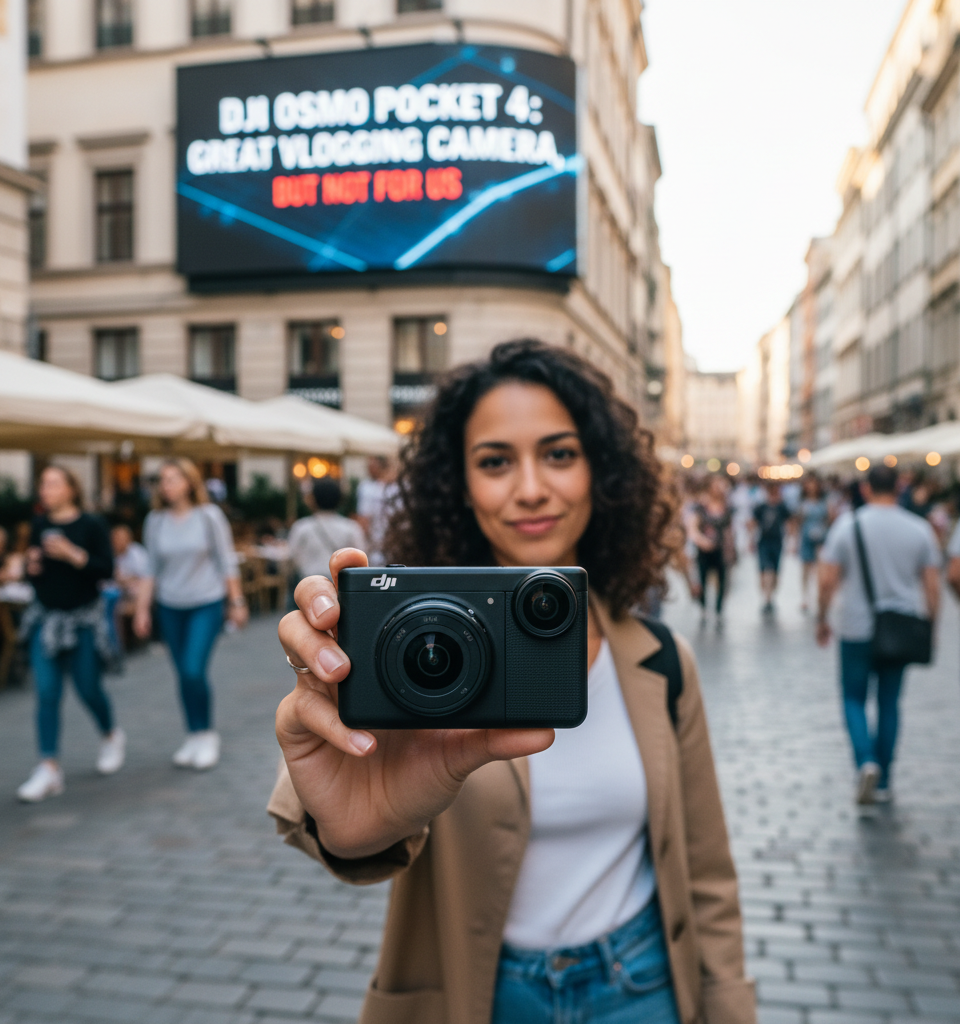
The DJI Osmo Pocket 4, the latest iteration of the portable camera series, is generating considerable buzz within the content creation community for its substantial upgrades designed to appeal to vloggers and casual filmmakers. Anticipated features such as a new, more capable sensor, enhanced film profiles, and built-in storage solutions mark the device as a potentially pivotal offering in the compact camera market. Despite its promising specifications, a notable caveat looms over its debut: the device is not expected to be available for purchase in the United States at its initial launch.
The absence of the Osmo Pocket 4 from the critical U.S. market at launch represents a significant strategic decision for DJI, a leading drone and camera manufacturer. The United States typically serves as a primary market for consumer electronics, often dictating early sales momentum and broader market perception. This delayed availability could impact the device's initial global sales figures and potentially allow competitors to gain traction during a crucial launch period. The reasons behind this partial rollout remain unconfirmed but invariably raise questions about regulatory hurdles, supply chain logistics, or nuanced market penetration strategies DJI may be employing.
Unpacking the Osmo Pocket 4's Innovations
Central to the excitement surrounding the Osmo Pocket 4 are its technical enhancements. The integration of a new sensor is expected to deliver superior image quality, particularly in challenging lighting conditions, addressing a common desire among users for improved low-light performance and dynamic range. Coupled with this, the introduction of film profiles suggests a more professional approach to color grading and visual aesthetics, offering content creators greater flexibility and control over their footage directly from the camera. This feature could prove particularly attractive to those seeking cinematic quality from a highly portable device.
Further boosting its appeal to the vlogging community is the inclusion of built-in storage. This eliminates the immediate need for external memory cards, simplifying the user experience and making the camera more accessible straight out of the box. For creators on the go, the convenience of not having to manage separate storage solutions is a significant practical advantage. These combined features underscore DJI's commitment to refining the Osmo Pocket series as a formidable tool for portable video capture.
Market Impact and Competitive Landscape
The expected global launch, albeit without U.S. participation, will undoubtedly impact the competitive landscape in the compact camera and vlogging sectors. DJI's Osmo Pocket series has consistently carved out a niche with its unique gimbal stabilization and highly portable design. The Pocket 4's expected enhancements position it to compete even more aggressively with action cameras from brands like GoPro, as well as increasingly sophisticated smartphone cameras, which are often the primary tools for casual vloggers.
Competitors will be closely watching the Osmo Pocket 4's reception in markets where it is available. The device's success could pressure other manufacturers to innovate further in stabilization, sensor technology, and user-friendly features. Conversely, its delayed U.S. entry could fortify the positions of existing players in that market, offering them a temporary reprieve from direct competition with DJI's latest offering.
Navigating the U.S. Market Exclusion
The most pressing question for industry observers revolves around the rationale and duration of the Osmo Pocket 4's U.S. exclusion. Such an approach is unusual for a product line that has historically seen simultaneous global releases from DJI. Potential explanations range from ongoing regulatory reviews, possibly related to component sourcing or data security, to strategic business decisions aimed at segmenting market rollouts. Given the current geopolitical climate and increasing scrutiny on technology imports, regulatory hurdles cannot be discounted.
For U.S.-based content creators and consumers, this delay means either waiting indefinitely for a potential stateside launch or resorting to international parallel imports, which often come without local warranties or technical support. This situation could create a grey market for the device, complicating after-sales service and potentially diluting DJI's brand experience for U.S. customers interested in the new features.
What Lies Ahead for DJI and the Osmo Pocket 4
The immediate future for the Osmo Pocket 4 will be defined by its performance in the markets where it is available and the communications from DJI regarding its U.S. availability. Initial reviews from countries where it launches will be critical in shaping global perceptions and influencing potential future purchasing decisions, including those in the U.S. if and when the camera eventually becomes available there. Observers will be keen to see if the new sensor and film profiles live up to expectations, and if the built-in storage truly enhances the user workflow as anticipated.
DJI's strategy moving forward will likely involve careful market monitoring and, potentially, negotiations or adjustments to facilitate a wider release. The company's handling of this staggered launch will provide insights into its adaptability and its ability to navigate complex international market dynamics. For now, the Osmo Pocket 4 remains a promising device with a curious path to global market penetration.