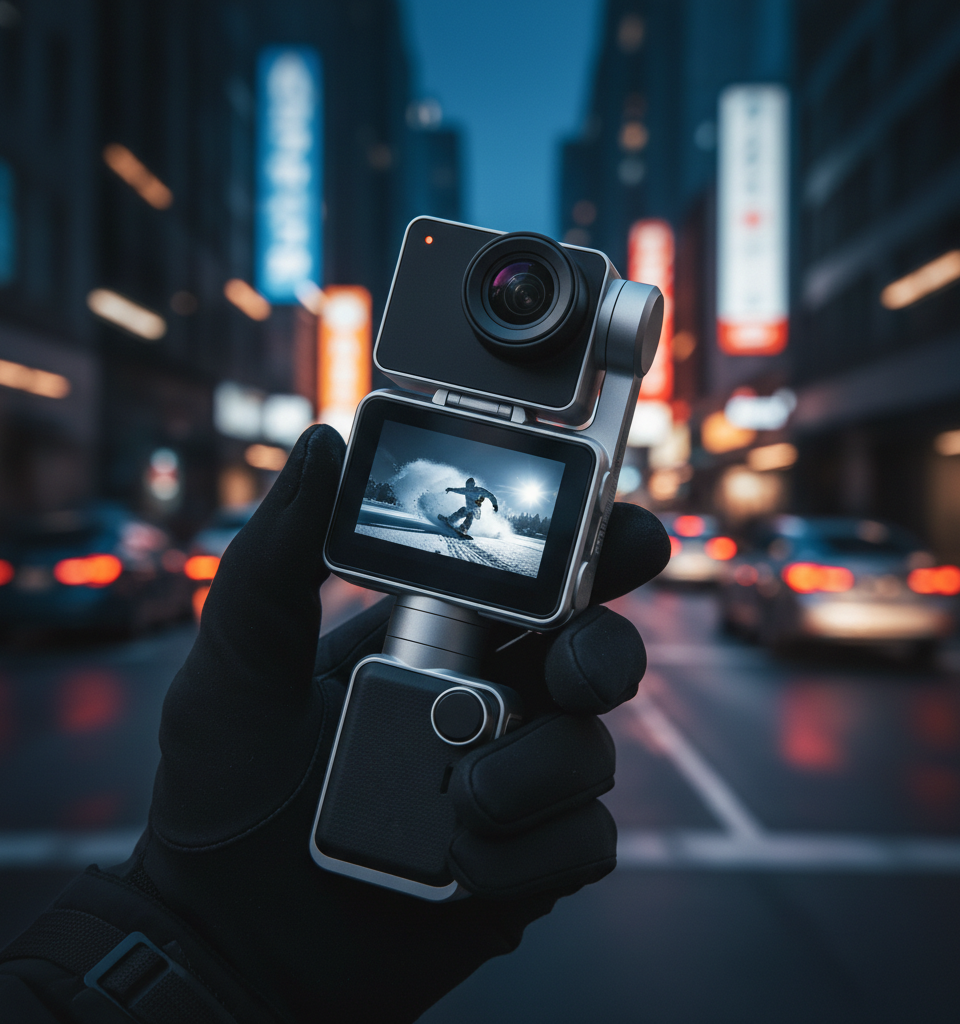
The highly anticipated DJI Osmo Pocket 4 is set to make a significant impact on the compact video camera market, aiming to deliver enhanced capabilities for both low-light environments and high-speed action recording. Key upgrades include the integration of a larger 1-inch sensor and the ability to capture video at 4K resolution with an impressive 240 frames per second. These features are designed to provide pocket-sized videographers with a substantially more powerful tool for a diverse range of shooting scenarios.
This generation's focus on a larger sensor directly addresses one of the primary limitations of previous compact cameras: their performance in challenging lighting conditions. A 1-inch sensor, a substantial upgrade from its predecessors, is typically found in more professional-grade photographic equipment and is expected to dramatically improve light gathering capabilities, resulting in clearer, more detailed footage with reduced noise in dimly lit settings. This move positions the Osmo Pocket 4 as a compelling option for creators who frequently find themselves shooting indoors, at night, or in other less-than-ideal illumination.
Advanced Imaging and Tracking Technologies
Beyond its larger sensor, the Osmo Pocket 4 is also slated to introduce a suite of enhancements aimed at bolstering its versatility and user experience. The ability to record at 4K resolution at 240 frames per second represents a major leap for capturing fast-moving subjects and creating dynamic slow-motion effects. This high frame rate, combined with the expected improved image quality, could make the device a go-to for action sports enthusiasts, vloggers documenting quick events, and filmmakers looking to add cinematic flair to their projects.
Further refining its functionality, the new model is expected to feature smarter tracking capabilities. While specifics of these improvements are yet to be fully detailed, enhanced tracking would translate to more reliable subject lock-on and smoother camera movements, especially crucial for single operators capturing themselves or unpredictable subjects. This intelligence could leverage advanced algorithms to anticipate movement and maintain focus, reducing the need for constant manual adjustments and freeing creators to concentrate on their craft.
Integrated Storage and Market Position
A notable addition to the Osmo Pocket 4's feature set is the inclusion of built-in storage. This integration promises to streamline the workflow for users, reducing reliance on external memory cards for immediate capture. While the exact capacity of this built-in storage remains to be disclosed, its presence is a convenience factor that could appeal to users who prioritize simplicity and readiness to shoot. This could be particularly advantageous for spontaneous moments where fumbling with memory cards might mean missing a critical shot.
From an industry perspective, the Osmo Pocket 4’s advancements place it firmly as a contender against both traditional action cameras and even some smaller mirrorless setups, especially for users who value portability above all else. DJI has consistently carved out a niche for itself in the stabilized camcorder market, and these upgrades signal a clear intent to broaden the appeal of the Osmo Pocket line. The blend of a larger sensor, high frame rates, intelligent tracking, and integrated storage positions it as a highly versatile tool for a wide range of content creators.
Implications for Content Creators
The improved low-light performance could open up new avenues for content creation, allowing for high-quality footage in environments previously challenging for compact cameras. From indoor events and concerts to nature documentaries shot at dawn or dusk, the Osmo Pocket 4 is expected to deliver clarity and detail that was once the domain of much larger and more expensive equipment. Similarly, the 4K 240fps capability offers burgeoning action filmmakers and social media creators the tools to produce professional-looking slow-motion sequences that demand attention.
The strategic enhancements suggest DJI is listening to user feedback and pushing the boundaries of what is possible within a truly pocket-sized form factor. The Osmo Pocket 4 is shaping up to be more than just an incremental update; it appears to be a significant evolution poised to empower a new generation of mobile videographers with advanced photographic and cinematographic capabilities in a highly portable package. The official launch and subsequent performance reviews will undoubtedly provide deeper insights into its market impact and real-world utility.