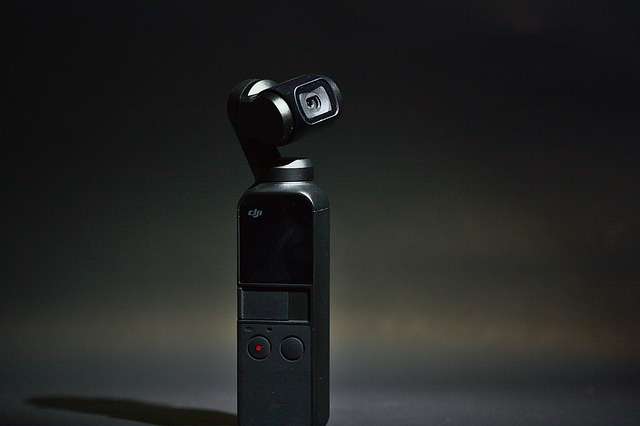
DJI is preparing to launch its latest compact camera, the Osmo Pocket 4P, which is anticipated to introduce groundbreaking advancements in dynamic range for its form factor. Central to this development is the implementation of a new D-Log2 recording format, projected to achieve an extraordinary 17 stops of dynamic range. This move signals DJI's continued commitment to pushing the boundaries of professional-grade features into increasingly portable and accessible devices, targeting a wide array of users from professional vloggers to casual enthusiasts seeking superior image quality.
Context and Background
The miniature gimbal camera market has seen significant growth, driven by the demand for stable, high-quality video capture in a small footprint. DJI has been a dominant force in this segment since the introduction of the original Osmo Pocket, consistently refining the balance between portability, image quality, and user experience. Previous iterations have introduced features like improved sensors, enhanced stabilization, and intelligent shooting modes. The focus on dynamic range with the Osmo Pocket 4P, particularly the move to a D-Log2 format, underscores an industry trend towards bringing cinema-grade color science and latitude to smaller devices. This allows creators more leeway to grade footage, recover highlights, and lift shadows, which is crucial for achieving a professional look, especially in challenging lighting conditions.
Key Details and Technical Advancements
The most prominent technical enhancement in the Osmo Pocket 4P is the introduction of the D-Log2 format. While specific technical details regarding the sensor or processing engine driving this capability are yet to be fully disclosed, the promised 17 stops of dynamic range represent a substantial leap. For context, many professional cinema cameras typically offer between 13 to 15 stops of dynamic range, with high-end models sometimes reaching 16 stops.
Achieving 17 stops in a device as compact as the Osmo Pocket line would place the 4P in a league of its own for its size. This expanded dynamic range is expected to allow the camera to capture a much broader array of tones, from the brightest skies to the deepest shadows, with greater detail and less clipping or crushing of information. The D-Log2 format itself is a log gamma curve designed to preserve as much visual information as possible in the recorded file, providing a flat image that is ideal for color grading in post-production.
Industry and Market Impact
This potential advancement could significantly alter expectations for what is achievable with a compact, handheld camera system. By offering 17 stops of dynamic range, the Osmo Pocket 4P effectively blurs the lines between consumer-grade and professional-grade acquisition tools. This could particularly appeal to independent filmmakers, documentary creators, and social media influencers who require high creative control over their visuals but are constrained by budget or portability needs. The increased dynamic range translates directly into more flexibility in challenging outdoor environments, high-contrast scenes, and cinematic lighting setups, potentially reducing the need for more expensive, larger camera rigs in certain production scenarios. Competitors will likely face pressure to match or exceed these specifications, driving further innovation in the compact camera market.
Future Implications and Developments
The introduction of D-Log2 and 17 stops of dynamic range in the Osmo Pocket 4P could set a new benchmark for ultra-portable cameras. It suggests a future where professional cinematic capabilities are increasingly miniaturized and democratized, making high-quality video production more accessible to a broader audience. Beyond the immediate impact on imaging, this technological leap could also drive advancements in related areas such as in-camera processing, battery efficiency, and file management, as handling such rich data streams requires robust underlying technology.
Operators will also need to adapt to color grading D-Log2 footage, potentially leading to an increased demand for accessible color grading tutorials and software presets tailored for the Osmo Pocket ecosystem. The success of the Osmo Pocket 4P with these features could dictate DJI's future product roadmap, potentially influencing their drone and other camera lines to adopt similar high dynamic range capabilities.