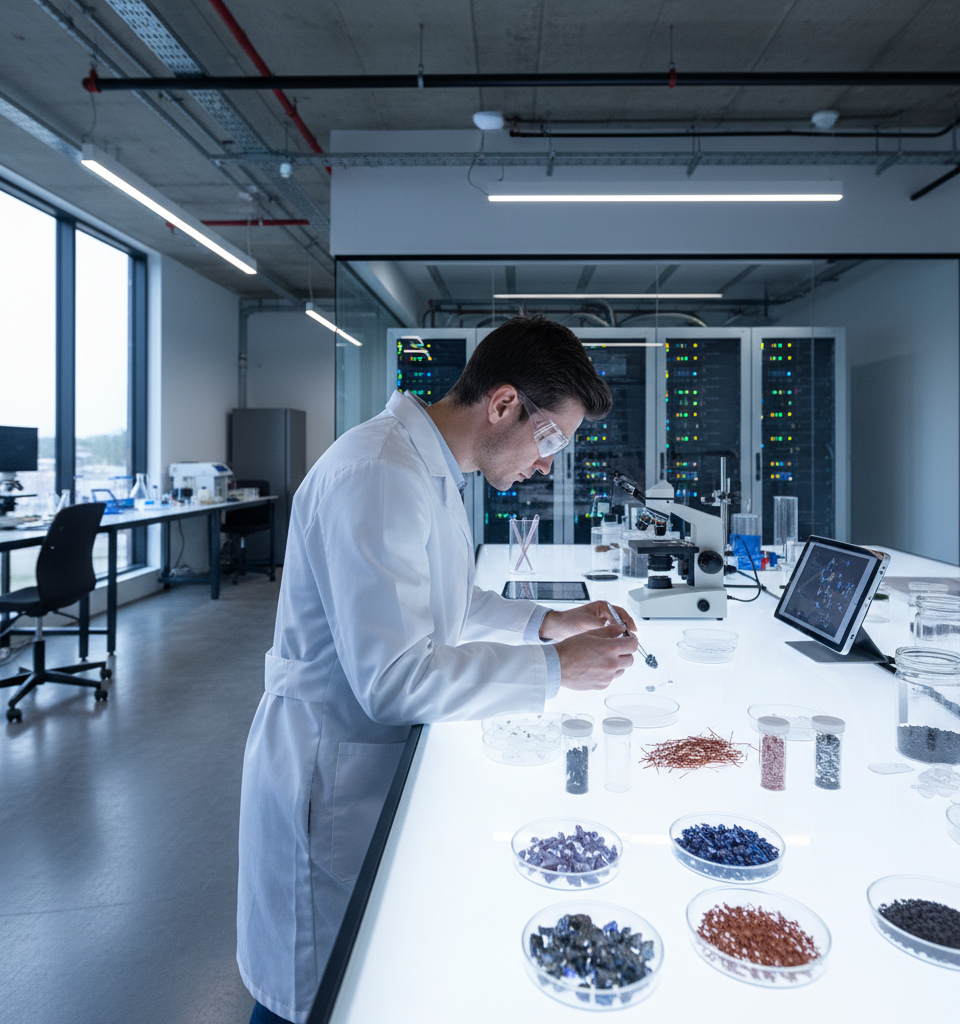
Global manufacturers and technology companies could face reduced supply chain vulnerabilities and potentially lower input costs as the U.S. Department of Energy (DOE) proposes a significant investment in critical minerals research. This initiative directly impacts the availability and cost of materials essential for global energy transitions.
DOE Initiative Targets Supply Chain Resilience
The U.S. Department of Energy (DOE) has proposed a $10 million allocation to bolster research and development efforts in critical minerals. This substantial funding initiative is designed to address the challenges associated with sourcing and processing materials deemed essential for national energy security and technological advancement. The proposed projects are specifically targeted at enhancing the understanding, extraction, and utilization of minerals such as heavy rare earths, gallium, and copper, all of which are indispensable components in a wide array of modern energy technologies.
The Strategic Importance of Critical Minerals
Critical minerals form the backbone of numerous advanced technologies, ranging from renewable energy systems and electric vehicles to defense applications and consumer electronics. The global supply chains for these materials are often complex and concentrated, leading to potential vulnerabilities. Heavy rare earths, for instance, are crucial for high-strength magnets used in wind turbines and electric motors. Gallium is vital for semiconductors and advanced optoelectronics, while copper remains a foundational material for electrical conductivity in nearly all energy infrastructure. This proposed DOE funding underscores a growing recognition of the strategic importance of securing a reliable and resilient supply of these materials for the nation's economic and technological future.
Specific Mineral Focus and Project Scope
The DOE's proposal explicitly details its focus on a select group of critical minerals, indicating a strategic approach to address the most pressing supply chain gaps. Heavy rare earths, known for their unique magnetic properties, are a cornerstone of many high-tech applications, and their extraction and processing present significant technical challenges. Gallium, often a byproduct of aluminum and zinc refining, is essential for high-performance computing and communication. Copper, while more abundant, faces increasing demand pressures from the global push for electrification. The $10 million in proposed funding is expected to support projects that delve into innovative methods for exploration, mining, separation, processing, and recycling of these critical elements, aiming to reduce reliance on external sources and improve domestic capabilities.
Broader Economic and Industrial Implications
This investment carries significant implications for various sectors. For the manufacturing industry, particularly those involved in renewable energy, automotive, and defense, enhanced domestic capabilities in critical minerals could translate into more stable supply lines and potentially reduced geopolitical risks. The research advancements could lead to more efficient and environmentally friendly extraction methods, creating new opportunities for domestic mining and processing companies. Furthermore, the development of alternative materials or less resource-intensive designs could emerge from these R&D efforts, offering long-term benefits to the entire industrial landscape. The initiative could also spur job creation in highly specialized scientific and engineering fields, contributing to a knowledge-based economy.
Looking Ahead: Funding Approval and Research Impact
The proposed $10 million funding is currently under consideration, and its ultimate approval would initiate a series of competitive research projects. Should the funding be secured, the DOE will likely issue calls for proposals, inviting universities, national laboratories, and private sector entities to submit their innovative research plans. The success of these projects will be measured not only by scientific breakthroughs but also by their potential to transition new technologies from the lab to commercial application. This long-term commitment to critical minerals R&D reflects a national strategy to ensure the U.S. remains at the forefront of energy innovation and supply chain security for decades to come.