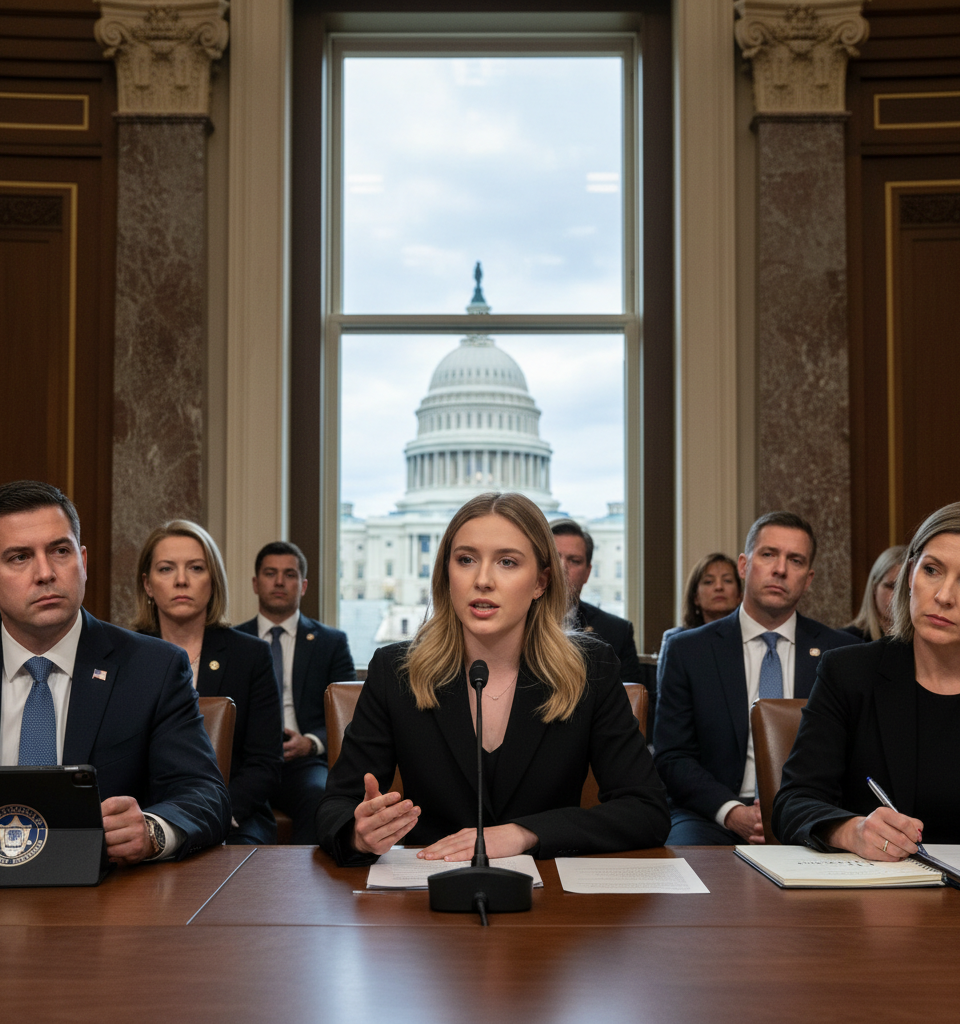
In a development sending ripples through Washington D.C. and legal circles, the Department of Justice's Civil Rights Division has reportedly initiated an investigation into Cassidy Hutchinson, a former aide to then-White House Chief of Staff Mark Meadows. The probe centers on accusations that Hutchinson may have provided false testimony to Congress regarding events surrounding the January 6th Capitol insurrection. This directive from DOJ leadership marks a highly atypical deployment of the Civil Rights Division, traditionally tasked with upholding voting rights, combating discrimination, and prosecuting hate crimes, sparking intense debate over its rationale and potential political undertones.
Unconventional Assignment Raises Eyebrows and Legal Questions
The decision to hand a case involving alleged perjury before Congress to the Civil Rights Division departs significantly from standard prosecutorial practices. Typically, such investigations fall under the purview of the DOJ's Public Integrity Section or local U.S. Attorney's Offices, which possess specialized expertise in prosecuting official misconduct and congressional related offenses. The Civil Rights Division, established in 1957, has a distinct mandate focused on enforcing federal statutes prohibiting discrimination on the basis of race, color, religion, sex, disability, familial status, and national origin. This unusual jurisdictional assignment has prompted speculation among legal experts and former Justice Department officials regarding whether the move signals an intent to elevate the severity of the alleged offenses or if it reflects internal structural shifts within the department's strategy concerning January 6th-related inquiries.
Cassidy Hutchinson gained national prominence following her dramatic testimony before the House Select Committee investigating the January 6th attack, where she provided firsthand accounts of former President Donald Trump's actions and temperament. Her testimony, which included allegations that Trump physically accosted a Secret Service agent in an attempt to go to the Capitol, provided critical insight into the chaotic final days of the Trump administration. Subsequent reports and statements from other individuals, including Secret Service agents, have led to questions regarding the veracity of specific details within her testimony, though Hutchinson has stood by her statements. The current DOJ probe will likely scrutinize transcripts, interviews, and potentially new evidence to determine if she knowingly made false statements under oath, a federal felony punishable by fines and up to five years in prison.
Broader Implications for Congressional Testimony and Accountability
This investigation carries significant implications for the landscape of congressional testimony and accountability, particularly in politically charged inquiries. The perceived politicization of the Justice Department has been a recurring theme in recent years, and this latest development is likely to intensify that scrutiny. If the Civil Rights Division successfully prosecutes a high-profile witness for perjury, it could set a precedent for future investigations into false statements made to congressional committees. Conversely, a prolonged or unsuccessful probe could further fuel criticisms of governmental overreach or political targeting. The potential impact extends to the willingness of future witnesses, especially those close to power, to offer candid testimony, weighing the risks of speaking out versus potential legal repercussions.
Legal scholars and former DOJ officials have offered mixed perspectives. Mary McCord, a former acting Assistant Attorney General for National Security, noted the Civil Rights Division's expertise in complex investigations but acknowledged the unusual nature of this assignment. Others, like former federal prosecutor Renato Mariotti, have suggested that while unconventional, the division's involvement might reflect a broader effort to leverage all available departmental resources in high-priority cases. However, critics argue that diverting the Civil Rights Division's resources to a perjury probe risk diluting its core mission, especially at a time when civil rights issues, such as voting access and police reform, remain paramount in the national discourse.
What Lies Ahead: Awaiting Official Confirmation and Legal Process
Moving forward, the public awaits official confirmation from the Justice Department regarding the scope and nature of this investigation. The immediate next steps will likely involve further evidence gathering, including subpoenaing documents and potentially interviewing additional witnesses. The legal process, which could involve grand jury proceedings, is expected to be protracted given the high-profile nature of the individuals involved and the political sensitivity surrounding the January 6th events. The outcome of this probe could have lasting effects not only on Cassidy Hutchinson's legal standing but also on the public's perception of accountability for congressional testimony and the operational independence of the Department of Justice. Observers will be keenly watching for any indications of political influence or procedural irregularities as the investigation unfolds, underscoring the delicate balance required to uphold justice in a deeply partisan environment.