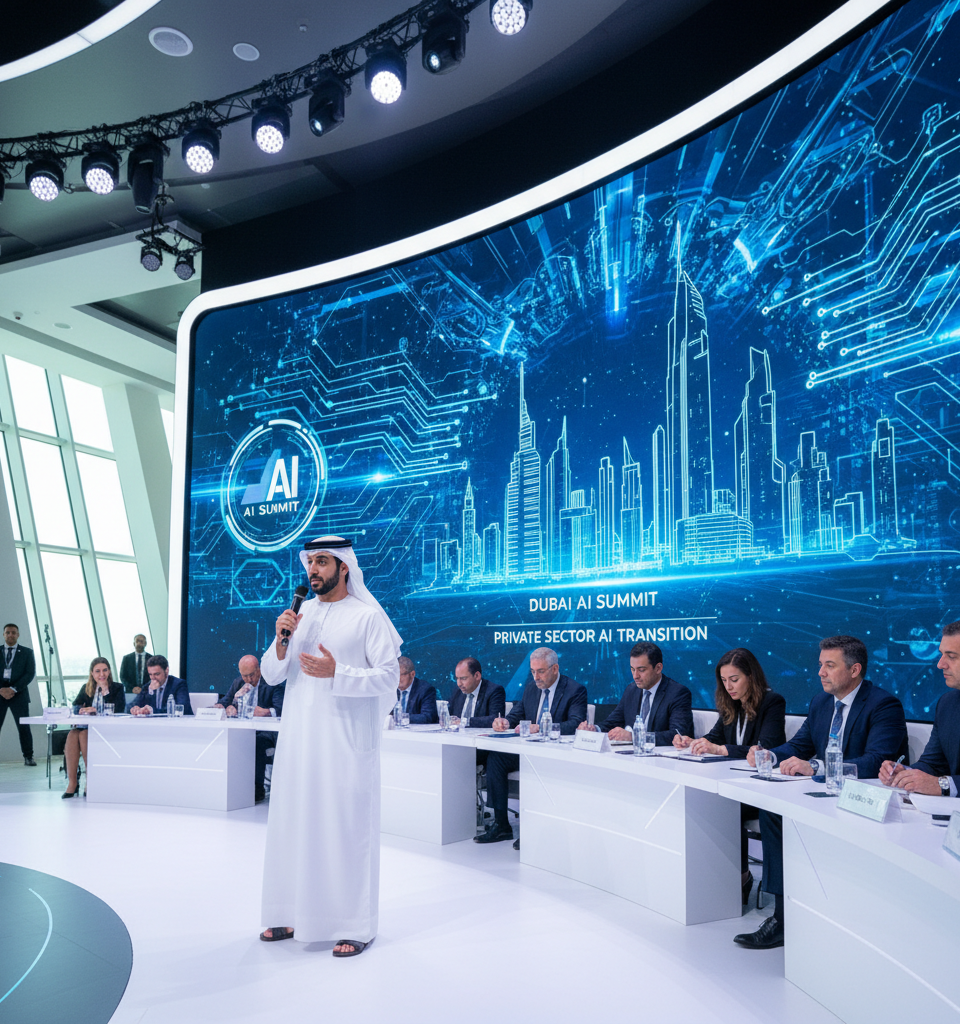
Dubai has unveiled an ambitious, accelerated strategy for artificial intelligence adoption, with Crown Prince Sheikh Hamdan bin Mohammed bin Rashid Al Maktoum declaring a firm deadline for the emirate's private sector to embrace agentic AI. Launched recently, this initiative marks a significant departure from the typically gradual, pilot-program-centric approaches observed in other major economies, signaling an intent for swift and decisive digital transformation across Dubai's commercial landscape.
A Global Pacesetter in AI Adoption
Historically, governments worldwide have articulated AI strategies characterized by multi-year roadmaps, exploratory task forces, and limited pilot programs. While these provide frameworks for technological advancement, they often lack specific, enforceable timelines for widespread implementation. Dubai's decree, however, places a direct onus on the private sector, emphasizing rapid deployment and integration of advanced AI capabilities. This establishes Dubai as a potentially unique global pacesetter, leveraging its centralized governance structure to accelerate technological shifts that might take decades elsewhere.
Key Directives and Strategic Imperatives
Details of the initiative, spearheaded by Sheikh Hamdan, emphasize the transition to agentic AI, a more sophisticated form of artificial intelligence capable of autonomous action and goal-oriented problem-solving. This isn't merely about adopting AI tools but fundamentally restructuring operational processes and business models to incorporate intelligent automation. While specific compliance metrics and support mechanisms for businesses are still being defined, the core message is clear: the private sector must prepare for a pervasive AI-driven future, and quickly. The initiative underscores Dubai's long-term vision of becoming a leading global smart city and a hub for future technologies.
Impact on Dubai's Economic Landscape
This mandate is expected to trigger a substantial wave of investment and innovation within Dubai's private sector. Companies will likely prioritize AI skill development, acquire new technologies, and potentially forge partnerships with AI solution providers. Sectors such as finance, logistics, real estate, and tourism, which form the bedrock of Dubai's diversified economy, are poised for significant transformation. The directive could also attract leading global AI firms and talent to the emirate, further solidifying its position as an innovation magnet, while potentially posing challenges for smaller businesses lacking immediate resources for such an overhaul.
Expert Analysis and Market Response
Industry analysts view Dubai's move as both audacious and strategically astute. "This isn't just about technological upgrade; it's about competitive differentiation on a global scale," commented a leading regional technology consultant. "By mandating agentic AI, Dubai is pushing its businesses to not just automate tasks, but to embed intelligence that drives proactive decision-making and operational efficiencies." Critics, however, may question the feasibility of such a rapid, top-down implementation, highlighting potential hurdles like data privacy concerns, the availability of skilled AI professionals, and the significant capital expenditure required from businesses. The market's immediate response will be crucial in gauging the initiative's perceived viability.
Future Implications and Global Reverberations
The long-term implications of Dubai's AI mandate could extend far beyond the emirate's borders. Should Dubai successfully execute this strategy, it could serve as a powerful case study for other nations aiming for high-speed digital transformation. The initiative could accelerate the global race for AI leadership, encouraging other governments to reconsider their more cautious approaches. Future developments will undoubtedly include detailed guidelines, financial incentives, and potentially new regulatory frameworks to support businesses in this transition, alongside rigorous monitoring to ensure compliance and measure the economic impact of this ambitious undertaking.