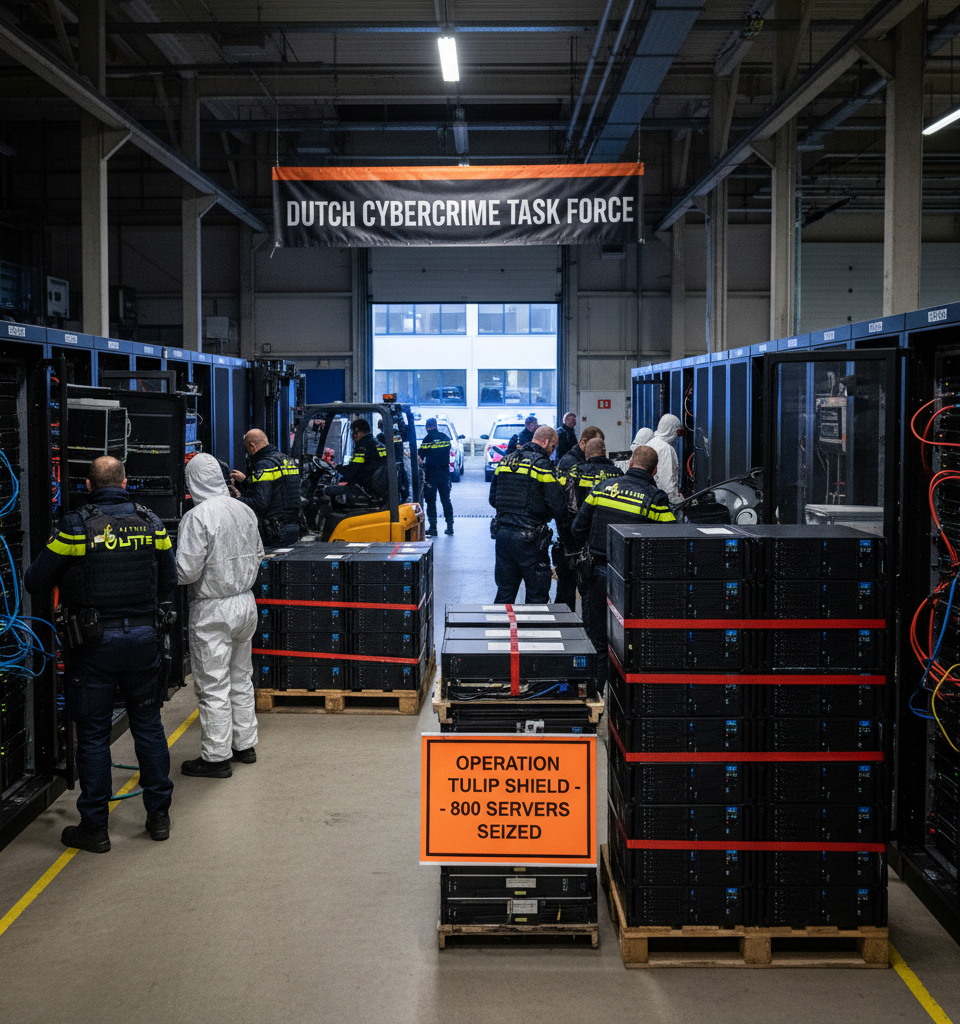
The Dutch Fiscal Information and Investigation Service (FIOD) executed a major operation last week, seizing 800 servers and apprehending two individuals in a broad crackdown on hosting providers allegedly complicit in facilitating Russian state-sponsored cyberattacks throughout Europe. The action targeted two data centers and resulted in the shutdown of servers operated by WorkTitans and MIRhosting, companies now under intense scrutiny for their suspected role in violating international sanctions and enabling hostile cyber operations.
Context of Escalating Cyber Threats
This concerted effort by Dutch authorities underscores the heightened global concern over state-sponsored cyber warfare, particularly in the context of geopolitical tensions across Europe. For years, intelligence agencies have warned of sophisticated cyber campaigns originating from Russia, targeting critical infrastructure, governmental institutions, and private enterprises within the European Union and beyond. These attacks often leverage obscure hosting providers to obfuscate their origins and maintain operational anonymity, making investigations challenging. The FIOD's intervention highlights a shift towards more aggressive disruption tactics against the underlying infrastructure supporting these malicious activities, moving beyond mere attribution.
Operational Details and Accusations
During the raids, which took place at unnamed data centers last week, FIOD investigators meticulously documented and seized the extensive server infrastructure. While specific details about the nature of the cyberattacks facilitated by WorkTitans and MIRhosting remain under wraps, the description indicates their involvement in providing resources critical for state-sponsored operations. The two arrested men are suspected of direct involvement in the companies' operations and their alleged non-compliance. The shutdown of these servers aims to immediately disrupt ongoing cyber campaigns and prevent future attacks reliant on this specific infrastructure. The operations of WorkTitans and MIRhosting are now subject to forensic analysis, with authorities likely seeking to uncover client lists, data logs, and further evidence of their activities and connections.
Broader Implications for Cyber Security and Hosting Industry
The seizure represents a significant blow to the operational capabilities of certain state-sponsored threat actors and sends a strong message to hosting providers worldwide. Companies that knowingly or unknowingly facilitate illicit cyber activities face increasing legal and reputational risks. This action is expected to prompt other hosting providers to conduct more rigorous due diligence on their clients, particularly those with opaque ownership structures or suspicious traffic patterns. Industry experts suggest this could lead to a tightening of terms of service and greater cooperation with law enforcement agencies in an effort to avoid similar crackdowns. The incident also highlights the complex challenge of policing the global internet infrastructure, where national jurisdictions often intersect with highly distributed and international criminal enterprises.
International Cooperation and Future Actions
While the original description does not explicitly detail international cooperation, operations of this scale against state-sponsored threats typically involve extensive intelligence sharing between allied nations. The success of the Dutch operation may well inspire similar actions in other European countries and beyond, as law enforcement agencies seek to dismantle the global network of services that support hostile cyber operations. The ongoing investigation into WorkTitans and MIRhosting is expected to be protracted, potentially revealing more about the scale and nature of the cyberattacks facilitated and the entities behind them.
Further arrests or legal actions against associated individuals or organizations could follow as investigators piece together the full scope of the companies' alleged transgressions. The disruption of 800 servers will undoubtedly force implicated threat actors to seek alternative infrastructure, potentially making future operations more difficult or costly to execute.