Early discount initiatives by major retailers could significantly influence consumer spending patterns and retail performance for the upcoming holiday season. Businesses must analyze these aggressive pre-holiday sales to strategize their own promotional calendars and inventory management.
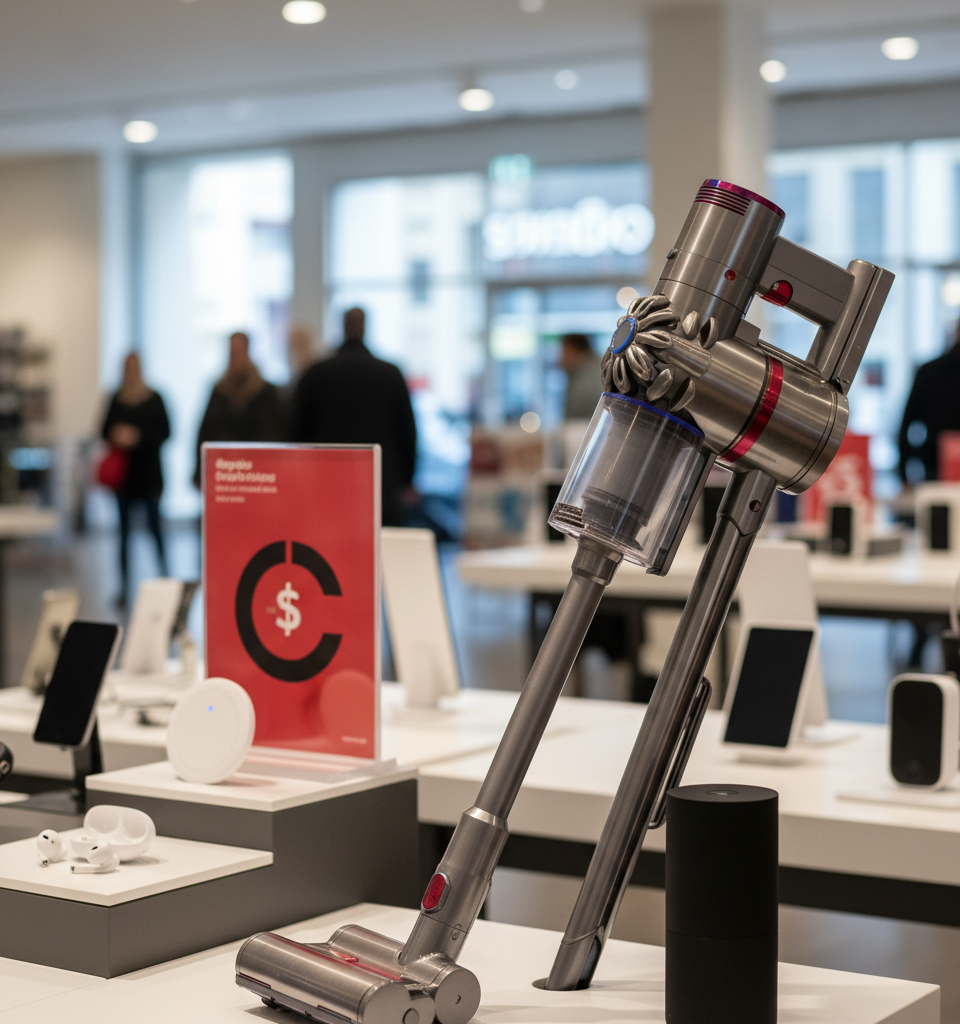
Ahead of the 2026 Labor Day weekend, retailers have begun rolling out significant discounts on a wide array of popular technology and home gadgets. This aggressive promotional strategy, observed weeks before the traditional holiday shopping period, aims to capture early consumer interest and spending. Shoppers are already finding attractive deals on high-demand products, ranging from premium home appliances like Dyson vacuums to essential personal tech such as top-rated wireless earbuds and Apple AirTags. These early promotions are widely seen as a precursor to broader retail trends for the remainder of the year.
Context and Background
Labor Day weekend, typically observed on the first Monday of September, traditionally marks the unofficial end of summer and a key period for back-to-school shopping and early holiday season purchases. For retailers, it has become a crucial time to clear existing inventory and introduce new products, often accompanied by promotional pricing. The decision by many retailers to launch sales several weeks in advance of the 2026 holiday weekend signifies a strategic shift, potentially driven by competitive pressures, inventory levels, and a desire to spread out sales over a longer period.
Key Details of Early Sales
The current wave of discounts encompasses a diverse product category. High-ticket items like Dyson vacuums, known for their premium pricing and advanced technology, are seeing notable price reductions. This makes high-end home appliances more accessible to a broader consumer base. In the personal technology space, popular items such as Apple AirTags, small tracking devices, and various brands of wireless earbuds are also prominently featured in these early sales. These categories typically perform well during holiday periods, reflecting consumer demand for both practical home solutions and portable personal electronics.
Industry and Market Impact
This trend of early and extended promotional periods could have several implications for the retail sector. It may intensify competition among retailers, pushing profit margins lower as companies vie for consumer dollars. It also extends the holiday shopping window, potentially smoothing out sales spikes but also requiring sustained marketing efforts over a longer duration. For consumers, it offers more flexibility and time to secure deals, reducing the pressure of last-minute shopping. However, it also demands vigilance to ensure they are getting the best possible price amidst a fluctuating landscape of promotions.
What's Next: Looking Towards the Holiday Season
The early success or challenges of these Labor Day promotions will likely inform retailers' strategies for the upcoming Black Friday and Cyber Monday sales events, as well as the broader year-end holiday shopping season. If these early discounts prove effective in driving traffic and sales, it could set a precedent for even earlier promotional launches in future years. Conversely, if consumers become accustomed to deeper, earlier discounts, it could make traditional holiday sales periods less impactful. Analysts will be closely monitoring consumer response and sales data from these early Labor Day deals to predict the trajectory of retail performance through the end of 2026.
The widespread availability of significant discounts on sought-after tech and home gadgets ahead of Labor Day 2026 underscores a dynamic and competitive retail environment. Both consumers and industry observers will be watching to see how these early promotions shape the broader shopping landscape for the remainder of the year.