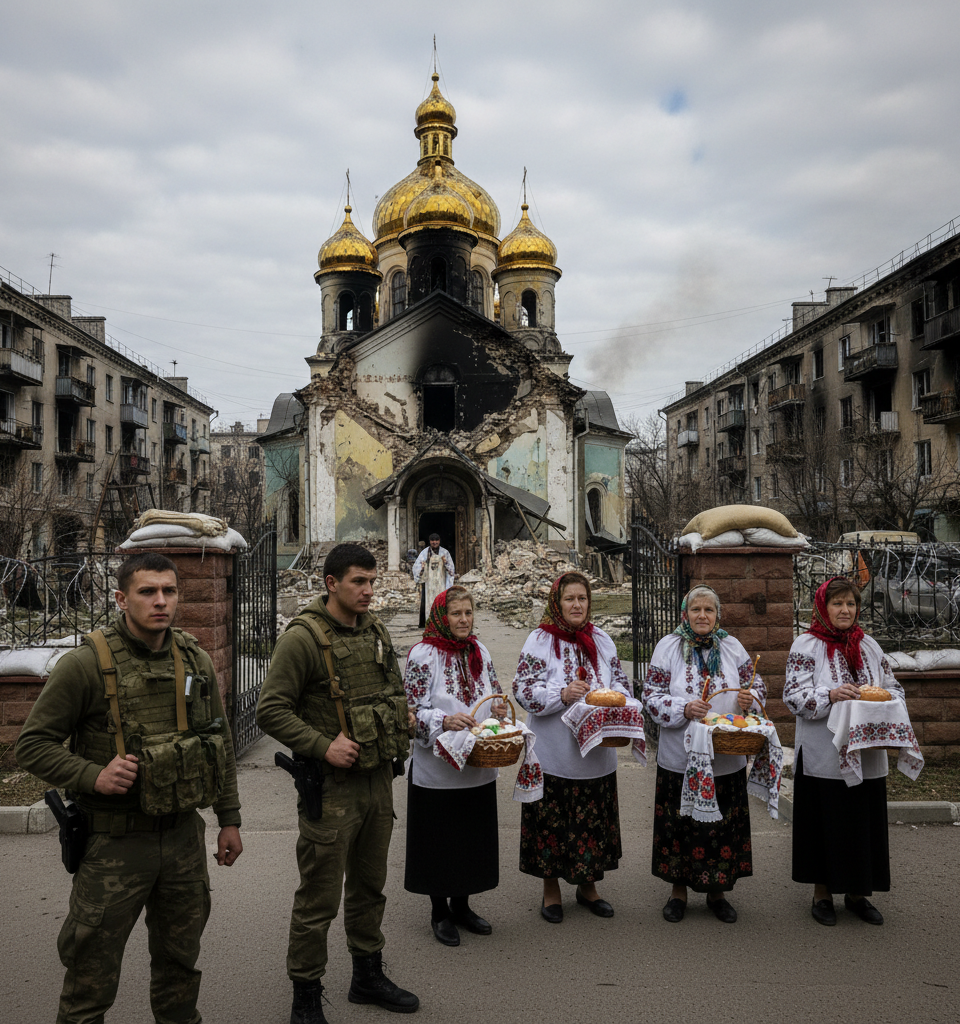
KHARKIV, UKRAINE – An uneasy quiet settled over war-torn Ukraine this Orthodox Easter weekend, as a temporary truce, ostensibly aimed at honoring the sacred holiday, largely failed to lift the pervasive gloom or instill a sense of lasting peace. In the eastern city of Kharkiv, a frontline metropolis that has borne the brunt of relentless shelling, the muted festivities were overshadowed by a profound skepticism and the grim expectation that hostilities would imminently resume. The brief pause in fighting, though a welcome reprieve for many, served as a stark reminder of the enduring conflict rather than a harbinger of its end, leaving citizens yearning for "real peace" over temporary lulls.
The Lingering Shadow of Conflict
The current atmosphere in Ukraine is deeply rooted in the prolonged and brutal invasion that began in February 2022. For over two years, the nation has grappled with immense destruction, displacement, and loss of life. Even seemingly positive developments, such as holiday ceasefires, are viewed through the lens of a deeply ingrained distrust and past experiences where such pauses have often preceded renewed offensives. The strategic importance of regions like Kharkiv, a key industrial and cultural hub close to the Russian border, only amplifies these fears, as residents have witnessed firsthand the devastating consequences of sustained military aggression.
Kharkiv's Muted Celebrations and Enduring Resilience
In Kharkiv, traditionally a vibrant city boasting a pre-war population of over 1.4 million, Easter observations were noticeably subdued. Streets that once bustled with celebratory gatherings were quiet, with many residents opting for somber, often hurried, visits to churches under the watchful eyes of air raid alerts. Local authorities reported a significant decrease in public gatherings compared to pre-war years, reflecting the prevailing mood of caution. Olena Petrova, a 58-year-old Kharkiv resident, voiced the widespread sentiment: "We appreciate the quiet, but it feels like the calm before another storm. We need real peace, not just a few days without shelling." This sentiment underscores the psychological toll of protracted conflict, where even moments of peace are tinged with anxiety about what comes next.
Geopolitical Implications and Market Instability
The ongoing conflict in Ukraine continues to exert significant pressure on global markets, particularly in energy and agriculture. The failure of even a religiously significant truce to engender genuine optimism about de-escalation suggests a prolonged period of instability. International investors remain wary, leading to fluctuations in commodity prices and a cautious approach to investment in Eastern Europe. The protracted nature of the conflict also continues to disrupt global supply chains, impacting everything from grain exports – with Ukraine being a major producer – to industrial components. The longer the conflict persists, the deeper its impact reverberates across the international economic landscape.
Expert Insights: A War of Attrition
Security analysts and political experts uniformly suggest that the Easter truce was more of a tactical pause than a genuine shift in military strategy. Dr. Anya Sharma, a senior fellow at the Institute for World Affairs, commented, "Holiday ceasefires, while offering temporary humanitarian relief, rarely alter the fundamental dynamics of a war of attrition. Both sides likely used this period to regroup, resupply, and prepare for subsequent operations." She added that the lack of any significant diplomatic breakthrough associated with the truce further reinforces its purely temporary nature. The consensus is that the conflict's trajectory will remain largely unchanged, with both sides committed to achieving their objectives through military means.
Anticipating the Next Phase of Conflict
Looking ahead, the immediate aftermath of the Orthodox Easter holiday is widely expected to bring renewed intensity to the fighting, particularly along the eastern and southern fronts. Ukrainian military intelligence has reportedly observed increased Russian troop movements and logistical preparations in several key areas, suggesting a potential spring offensive. The Ukrainian government has reiterated its commitment to defending its territory, while also appealing to international partners for continued military and financial aid. The coming weeks will be critical in shaping the next phase of the conflict, with both sides likely to test each other's resolve and capabilities, further cementing the need for robust defensive measures and sustained international support for Ukraine's eventual recovery and reconstruction.
The Enduring Quest for Lasting Peace
The overarching sentiment in Ukraine remains a fervent desire for lasting peace, a peace that extends beyond temporary truces and battlefield pauses. The human cost of the conflict is immeasurable, with the UN OCHA reporting over 10,000 civilian deaths and millions displaced. Rebuilding not only infrastructure but also the social fabric of the nation will be a monumental task that can only begin in earnest once true and enduring peace is achieved. The Easter truce, while brief, served as a poignant reminder of this profound and unfulfilled yearning across the war-weary nation.