Global supply chain resilience and cost management for international trade are directly impacted by advancements in freight logistics, making shifts towards electric vehicles a critical watchpoint for businesses selling across borders. Reducing the carbon footprint of transport networks offers long-term financial advantages through fuel efficiency and regulatory compliance, directly influencing landed costs and market access for globally distributed goods. This strategic move by Einride signals a significant step in the evolution of freight transportation that could reshape global shipping practices.
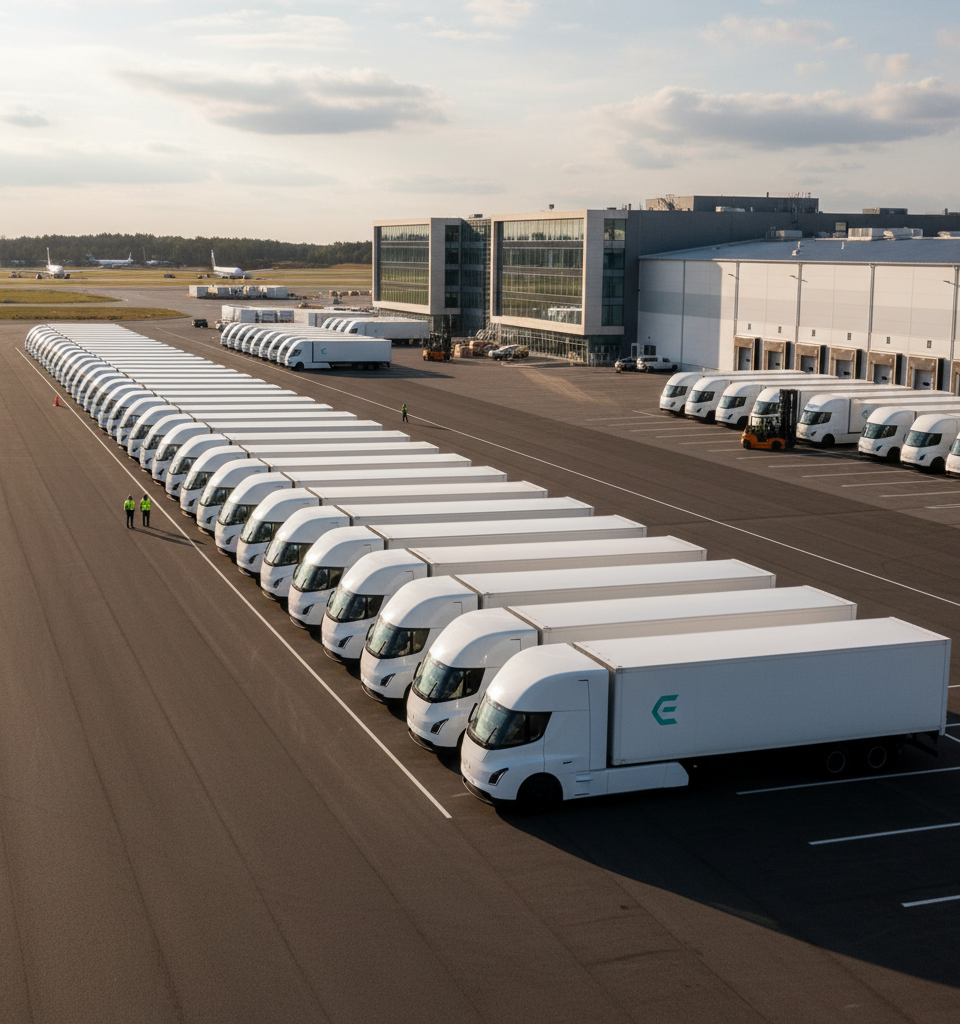
Swedish logistics technology company Einride has confirmed its intention to acquire 500 Tesla Semis, marking a substantial expansion of its electric vehicle fleet. The integration of these advanced electric trucks is a pivotal development in Einride's strategy to enhance sustainable freight solutions for its global customer base. The announcement underscores a growing commitment within the logistics sector to decarbonize operations and leverage cutting-edge EV technology.
Strategic Deployment for Key Clients
The newly acquired Tesla Semis are slated for deployment with several of Einride's key customers, notably including Amazon. This partnership highlights the increasing demand from major retailers and e-commerce platforms for environmentally responsible logistics services. The move not only supports Amazon's own sustainability goals but also positions Einride as a leading provider of electric, autonomous, and digitally optimized shipping solutions. The scale of this order — 500 vehicles — indicates a serious commitment to electrifying significant portions of their operational routes.
Advancing Sustainable Freight Operations
Einride's core mission revolves around transforming the freight industry through intelligent, electric, and autonomous technology. The addition of Tesla Semis, known for their substantial range and performance capabilities, aligns directly with this vision. These vehicles are expected to contribute to a drastic reduction in carbon emissions associated with goods transport, offering a more sustainable alternative to traditional diesel-powered trucks. This initiative reflects a broader industry trend where companies are actively seeking to mitigate their environmental impact and meet evolving consumer and regulatory expectations.
Market Impact and Industry Shift
This agreement between Einride and Tesla is poised to have a ripple effect across the logistics and automotive industries. For Tesla, it represents a significant commercial validation for its Semi program, demonstrating its viability for large-scale fleet deployments. For the broader logistics sector, it signals a clear acceleration in the transition towards electric commercial vehicles. Competitors in both truck manufacturing and logistics services will be watching closely, as the success of this deployment could dictate future investment and strategic directions within their own organizations. The adoption of such large-scale electric fleets could also spur further development in charging infrastructure and smart grid solutions.
Future Implications for Global Supply Chains
The integration of 500 Tesla Semis into Einride's operations is more than just a fleet expansion; it represents a tangible step towards a more sustainable and efficient global supply chain. As companies like Amazon prioritize green logistics, the demand for electric and digitally managed freight services is projected to soar. This move by Einride positions it at the forefront of this transformation, offering a blueprint for how large-scale electric truck deployment can be achieved. Success in these initial deployments with key clients will likely pave the way for further expansion and broader adoption across various geographical markets and industry verticals, ultimately reshaping how goods are moved around the world.