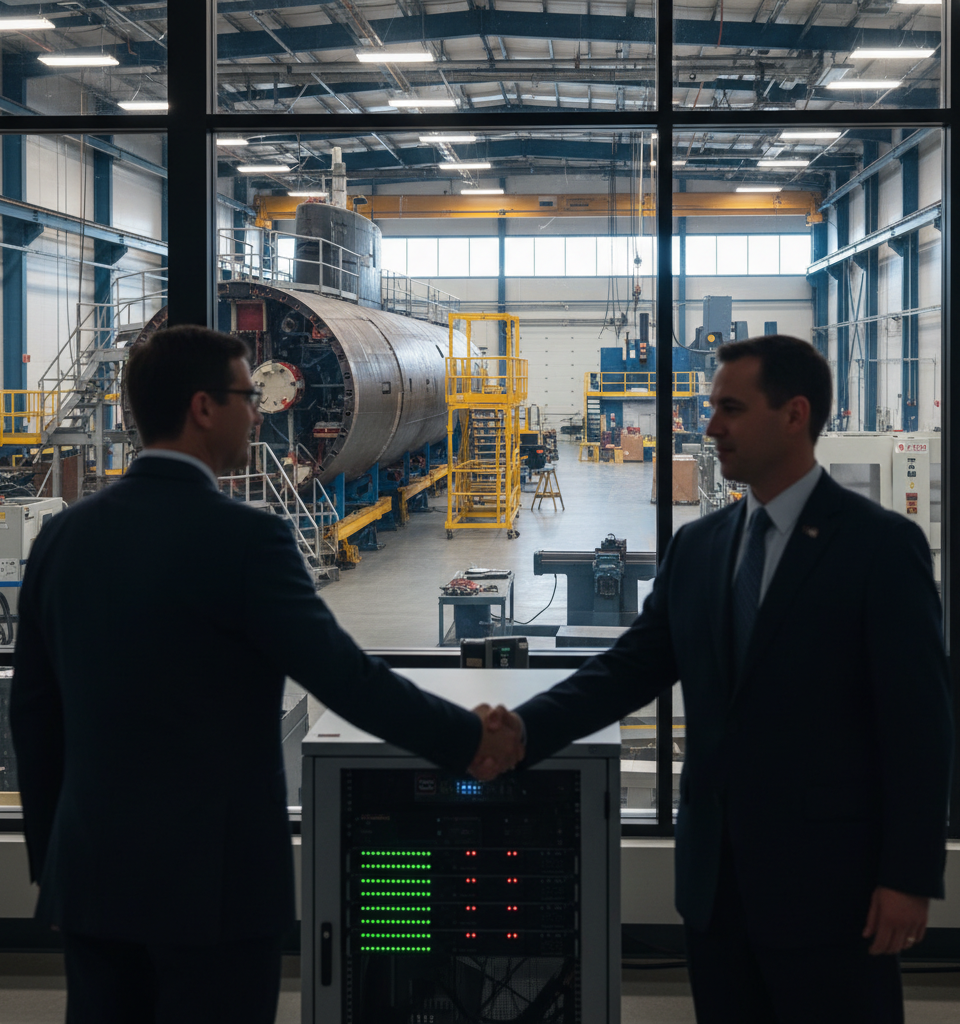
Developing a skilled workforce domestically is paramount for global defense contractors navigating complex supply chains and geopolitical shifts. This investment in local talent ensures production continuity and reduces reliance on international labor markets, impacting project timelines and cost efficiencies for global enterprises.
Electric Boat, a subsidiary of General Dynamics, and the New England Institute of Technology (NEIT) are collaborating to establish a new submarine workforce training center in Rhode Island. This strategic partnership is designed to address the significant demand for skilled labor required to fulfill Electric Boat's extensive contracts with the U.S. Navy, signaling a robust commitment to both national defense readiness and regional economic development.
Strategic Workforce Development
The initiative comes as Electric Boat prepares for a substantial expansion of its workforce, with plans to hire approximately 8,000 new employees across its U.S. shipyards. This recruitment drive is directly linked to the company's existing and future engagements, particularly its commanding $76.6 billion in contracts from the U.S. Navy. The establishment of the training center with NEIT is a proactive measure to ensure a pipeline of qualified personnel capable of meeting the stringent demands of submarine construction and maintenance.
The new training center will focus on developing specialized skills crucial for the advanced manufacturing processes involved in submarine production. This includes trades such as welding, electrical work, pipefitting, and various other highly technical vocations. The curriculum is expected to be tailored to Electric Boat's specific operational needs, providing graduates with immediate job readiness upon completion.
Boosting Production and Employee Retention
Beyond recruitment, Electric Boat has also implemented an employee incentive program aimed at enhancing production rates. This initiative underscores the urgency with which the company is approaching its contractual obligations and its recognition of the role its current workforce plays in achieving critical milestones. While specifics of the incentive program were not detailed, such schemes typically aim to reward efficiency, quality, and commitment, fostering a more productive work environment.
The combined strategies of dedicated training and employee incentives are intended to accelerate the delivery of crucial naval assets. The $76.6 billion in U.S. Navy contracts represents a significant portion of the nation's defense spending, emphasizing the strategic importance of Electric Boat's work in maintaining maritime superiority.
Regional Impact and Industry Implications
The establishment of the training center in Rhode Island is expected to have a notable economic impact on the region. It will create educational opportunities, generate local employment beyond Electric Boat itself, and potentially attract further investment into the state's industrial sector. For the defense industry, this partnership highlights a growing trend of direct collaboration between academic institutions and major contractors to mitigate labor shortages and cultivate specialized talent pools. This model could serve as a blueprint for other defense prime contractors facing similar workforce challenges.
The long-term implications involve a fortified defense industrial base and a more stable, skilled workforce contributing to national security. The success of this model could influence future government contracting strategies, potentially favoring companies that demonstrate robust internal and external workforce development initiatives. The push for 8,000 new hires, coupled with production incentives, indicates a period of intense activity and growth for Electric Boat as it strives to meet its significant commitments to the U.S. Navy.
As of August 28, 2026, the focus remains on the effective implementation of these programs to ensure the timely and successful delivery of critical submarine platforms for the U.S. Navy. The partnership with NEIT is poised to play a pivotal role in this endeavor, training the next generation of skilled workers essential for the nation's defense manufacturing capabilities.