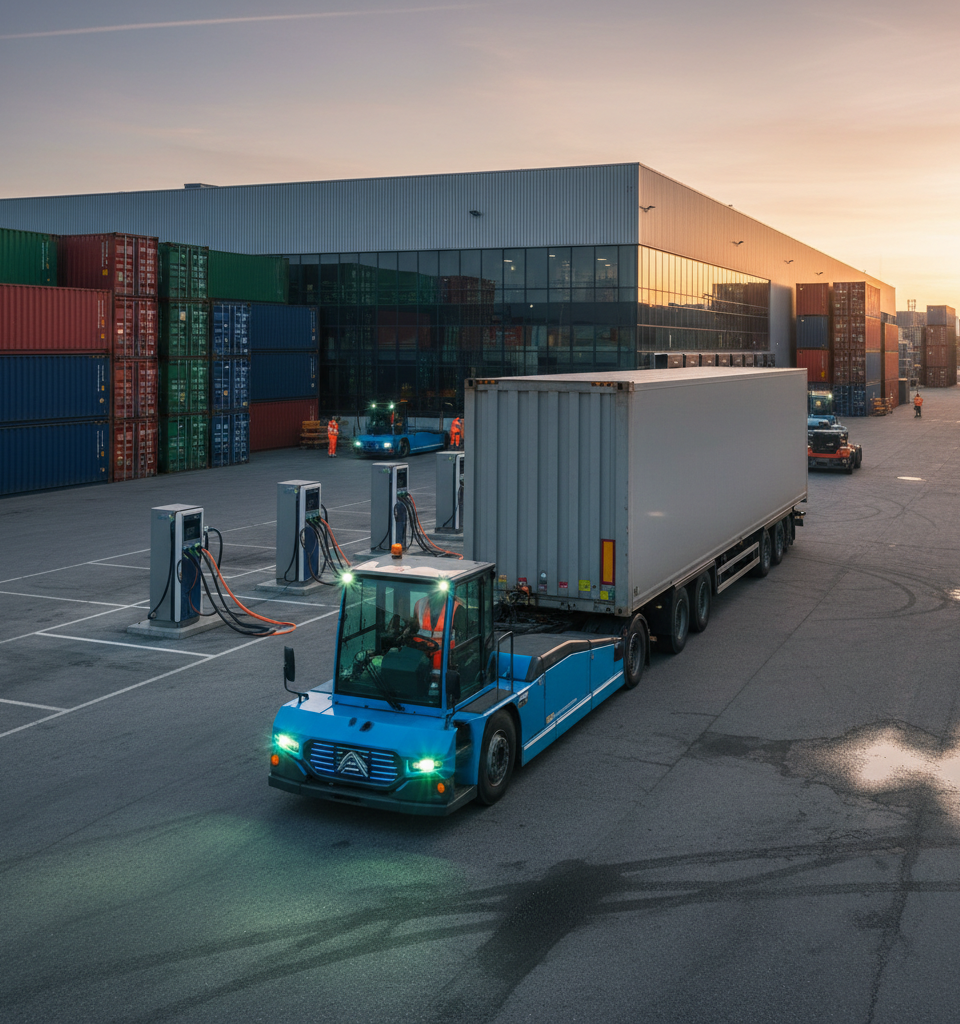
For businesses navigating the complexities of global trade, optimizing logistical bottlenecks and managing operational costs are paramount for competitive advantage. The accelerating integration of electric terminal tractors into yard operations directly impacts the efficiency and expense structure of international supply chains, influencing inventory flow and ultimately, the landed cost of goods. This shift helps global sellers improve service reliability and reduce carbon footprints, factors increasingly valued by cross-border consumers and regulatory bodies.
The logistics industry is currently undergoing a significant transformation, recognizing the compelling operational and financial benefits associated with electric terminal tractors. These specialized vehicles, crucial for moving trailers within distribution centers, ports, and manufacturing facilities, are proving to be a reliable and economically sound alternative to their traditional diesel counterparts. This trend marks a pivotal step towards electrifying a critical, yet often overlooked, segment of the supply chain.
The Shift to Electric Power
Fleets are increasingly observing that electric terminal tractors are capably handling the demanding tasks of trailer movement within yards. Their performance reliability is matching, if not exceeding, that of internal combustion engine models, ensuring seamless operational continuity. The certainty around their functional capacity is building confidence across the sector, encouraging broader adoption and investment in the necessary charging infrastructure.
Quantifiable Financial Advantages
Beyond operational reliability, the primary driver for this shift is the significant, quantifiable cost reductions electric terminal tractors offer. These savings typically stem from several key areas: lower fuel expenses due to the cost differential between electricity and diesel, reduced maintenance requirements attributed to fewer moving parts in electric drivetrains, and potential eligibility for various government incentives and tax credits aimed at promoting green technology adoption. These financial benefits are directly impacting the bottom line for logistics providers.
Impact on the Logistics Landscape
This integration of electric terminal tractors is set to redefine yard operations across the global logistics landscape. As more companies transition, the demand for charging infrastructure, specialized maintenance services, and trained personnel will grow, creating new market opportunities. The shift also contributes to broader sustainability goals, reducing emissions and noise pollution in busy operational hubs, which can enhance corporate social responsibility profiles and improve working conditions for yard personnel.
Looking Ahead
The ongoing adoption of electric terminal tractors suggests a future where silent, emission-free, and more cost-effective yard operations become the industry standard. As technology advances, battery life improves, and charging infrastructure becomes more widespread, the advantages are expected to become even more pronounced. The initial successes observed by early adopters are likely to serve as case studies, accelerating the transition for hesitant businesses and solidifying the electric yard as a fundamental component of modern logistics infrastructure.