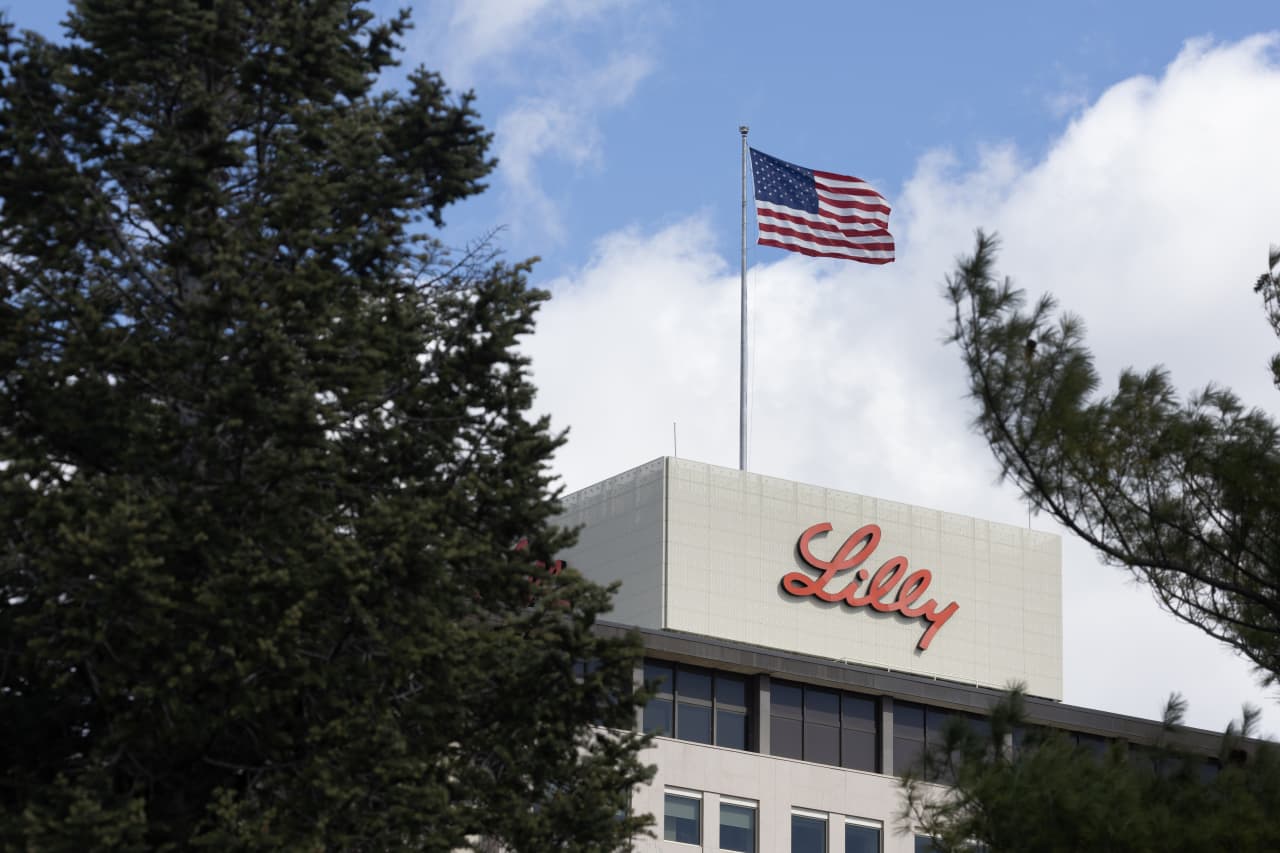
**Indianapolis, Indiana – ** – Eli Lilly and Company, a global pharmaceutical leader, has announced its intention to acquire an unnamed company specializing in the development of a novel narcolepsy treatment, in a deal potentially valued at up to $7.8 billion. The strategic acquisition, confirmed by sources close to the transaction, underscores Lilly's ongoing commitment to expanding its therapeutic reach, particularly within the neuroscience domain, as it seeks to capitalize on the substantial financial success generated by its market-leading GLP-1 franchise.
This high-stakes maneuver arrives as Lilly enjoys unprecedented cash flow from blockbusters like Mounjaro and Zepbound, which have redefined the landscape for treating type 2 diabetes and obesity. The company has been an exceptionally active dealmaker in recent years, systematically identifying and integrating promising biopharmaceutical assets to fuel future growth. This latest acquisition is a clear indicator of Lilly's proactive strategy to re-invest its substantial earnings into broadening its pipeline and mitigating over-reliance on any single therapeutic area, despite the immense success of its metabolic drugs.
While specific details about the target company and the drug candidate remain undisclosed, the proposed deal structure involves an initial payment, with additional milestone payments contingent upon the successful achievement of certain clinical, regulatory, and commercial targets. This tiered payment approach, common in high-value biopharmaceutical acquisitions, allows Lilly to mitigate some financial risk while incentivizing the acquired entity's scientific and developmental teams. The narcolepsy drug in question is believed to be in advanced stages of clinical development, promising a relatively near-term potential entry into the lucrative central nervous system market.
The pharmaceutical industry is watching closely as Lilly,Flush with cash, continues its aggressive M&A strategy. The neuroscience market, though challenging, offers significant unmet medical needs and potential for substantial returns. Narcolepsy, a chronic neurological condition characterized by overwhelming daytime sleepiness and sudden attacks of sleep, affects an estimated 3 million people worldwide, presenting a sizable patient population. Current treatments often come with significant side effects or limited efficacy, leaving a considerable gap for innovative therapies.
Industry analysts and experts view this acquisition as a shrewd move by Lilly. "Lilly is not just sitting on its GLP-1 windfall; it's actively deploying capital to build a diversified, robust future pipeline," commented Dr. Eleanor Vance, a senior equity analyst specializing in pharmaceuticals. "The neuroscience space, especially for orphan diseases like narcolepsy, can be incredibly rewarding for companies with the research capabilities and financial might to navigate complex drug development. This acquisition suggests Lilly identifies a strong candidate that could genuinely improve patient outcomes and generate significant revenue." Vance also notes the potential for synergies with Lilly's existing neuroscience research efforts, which include treatments for Alzheimer's disease and depression.
Looking ahead, the integration of the acquired company and its narcolepsy asset will be a critical near-term focus for Lilly. The company will need to guide the drug through remaining clinical trials, secure regulatory approvals from agencies like the FDA and EMA, and prepare for market launch. Success in this venture could solidify Lilly's position as a more diversified biopharmaceutical powerhouse, less reliant on its metabolic disease franchise. Furthermore, this acquisition may signal a broader trend of large pharmaceutical companies leveraging current successes to aggressively pursue M&A opportunities in specialized therapeutic areas with high unmet needs, potentially sparking further consolidation and innovation within the industry.