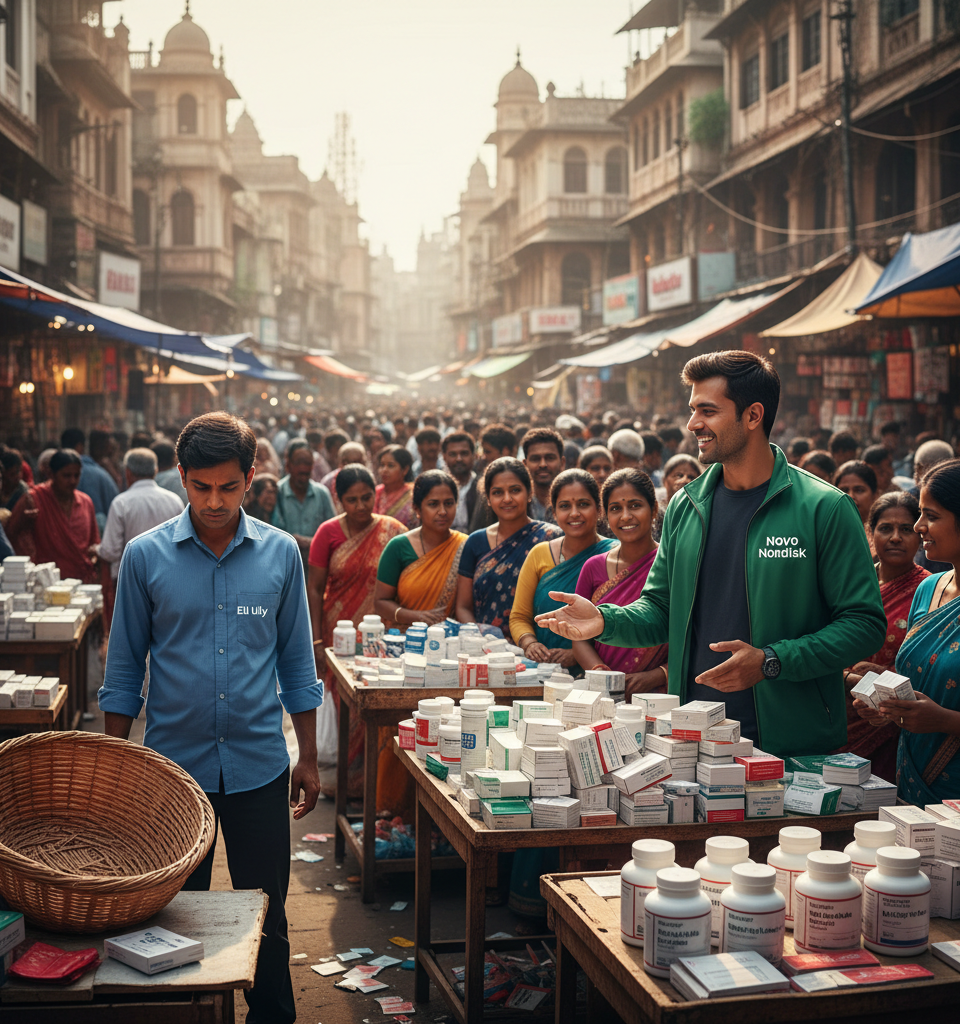
Mumbai, India – May 19, 2026 – The Indian market for GLP-1 receptor agonists, a class of drugs increasingly vital for weight management and diabetes care, is undergoing a profound transformation. Eli Lilly, a prominent player in this therapeutic area, is reportedly experiencing a notable erosion of its market share, attributable to the burgeoning availability and widespread adoption of low-cost generic semaglutide products. This shift highlights a critical pivot in an emerging and lucrative pharmaceutical segment within one of the world's most populous nations.
This development is particularly significant given India's large diabetic and increasingly obese population, creating a substantial demand for effective weight-loss and glucose-controlling medications. The entry of generic versions fundamentally alters the competitive landscape, pushing established multinational pharmaceutical firms to re-evaluate their strategies in a market highly sensitive to price. For millions of potential patients, these more affordable options could vastly improve access to much-needed treatments.
Market Dynamics and Competitive Responses
While Eli Lilly faces headwinds, its competitor, Novo Nordisk, appears to be navigating this challenging environment with greater resilience. Novo Nordisk has reportedly managed to hold its ground by proactively implementing aggressive price reductions for its flagship GLP-1 offerings, Ozempic and Wegovy. This strategic financial maneuver is understood to be a direct defensive measure aimed at counteracting the competitive pressure exerted by the influx of generic alternatives. The ability of Novo Nordisk to withstand this pressure underscores the impact of pricing strategy in a market where affordability often dictates patient and physician choices.
The India-specific market dynamics present a unique challenge for global pharmaceutical giants. The country's robust generic manufacturing capabilities mean that patent expirations or workarounds quickly lead to a commoditization of drugs, even highly specialized ones like GLP-1 agonists. This scenario often forces innovators to choose between ceding market share to generics or engaging in intense price competition, a strategy with potential implications for global revenue and profitability.
Implications for Pharmaceutical Innovation and Access
The current situation in India serves as a crucial case study for the broader pharmaceutical industry, illustrating the delicate balance between patent protection, market access, and public health needs. For companies like Eli Lilly, a shrinking market share could impact future investment decisions in the region or necessitate a re-evaluation of their overall India strategy. Conversely, the success of generic manufacturers in bringing affordable semaglutide to market highlights the increasing sophistication and speed of India's pharmaceutical sector.
This trend also holds significant implications for patient access to advanced therapies. While branded medications often come with higher price tags, they also typically represent years of research and development. The availability of generics democratizes access, making these treatments available to a wider segment of the population that might otherwise be unable to afford them. This is particularly critical in a country like India, where per capita healthcare expenditure is significantly lower than in many Western nations.
The Road Ahead for GLP-1 Market in India
Looking forward, the competitive intensity in India's GLP-1 market is expected to remain high. The strategies employed by Eli Lilly and Novo Nordisk—one seemingly losing ground, the other adapting aggressively—will offer valuable insights into sustainable business models in emerging markets characterized by strong generic competition. The long-term success of pharmaceutical companies in such environments may increasingly hinge on their ability to innovate, differentiate, and strategically price their products.
Further developments could include increased litigation around patent infringements, the introduction of next-generation GLP-1 therapies by originators to regain a competitive edge, or even partnerships between multinational corporations and local generic manufacturers. The Indian market, in particular, will continue to be a bellwether for how the global pharmaceutical landscape adapts to the dual pressures of innovation and affordability in critical therapeutic areas.