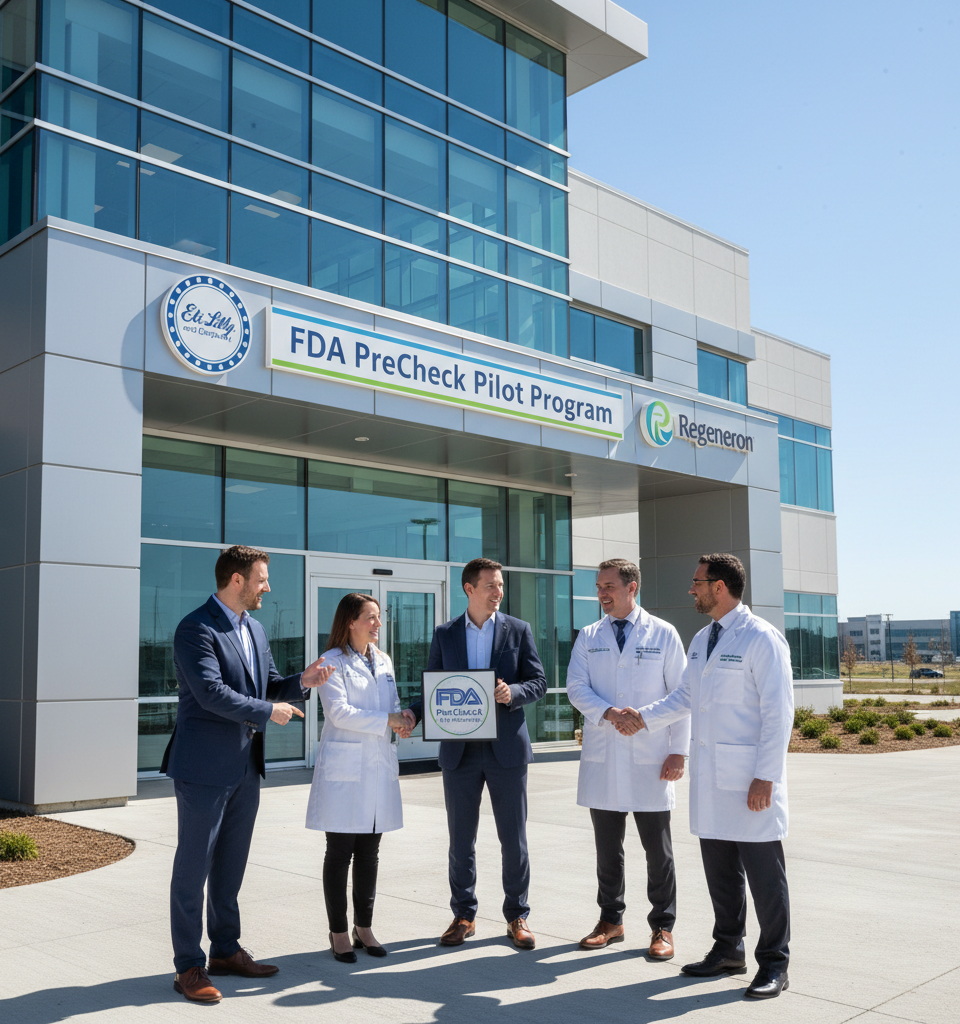
The U.S. Food and Drug Administration (FDA) has selected pharmaceutical giants Eli Lilly and Regeneron as two of the first participants in its new PreCheck Pilot Program, according to insights obtained by CNBC. This program is designed to accelerate the FDA's review process for new drug manufacturing facilities, a critical step that often causes delays in bringing new therapies to market. The inclusion of these two prominent firms underscores the FDA's commitment to enhancing drug supply chain efficiency and responsiveness.
Context and Background
Historically, the regulatory pathway for establishing a new pharmaceutical manufacturing site has been characterized by extensive review periods. These delays can be costly for drug developers and can significantly impact patient access to novel medications. The COVID-19 pandemic highlighted vulnerabilities in global pharmaceutical supply chains and spurred calls for more agile regulatory frameworks. The PreCheck Pilot Program emerges as a direct response to these challenges, aiming to pre-emptively address potential issues and shorten the time from facility completion to operational approval. This initiative could mark a pivotal shift in the FDA's engagement with industry, moving towards a more collaborative and anticipatory oversight model.
Key Program Details
While specific details about all seven selected companies beyond Eli Lilly and Regeneron remain undisclosed, their participation suggests a focus on manufacturers with significant product pipelines and established regulatory compliance records. The PreCheck Program is expected to allow the FDA to conduct assessments and offer feedback during the facility design and construction phases, rather than exclusively post-completion. This early engagement is anticipated to reduce the likelihood of costly rework and protracted approval timelines. The program is a voluntary pathway, indicating that participating companies are eager to invest in proactive compliance and regulatory collaboration to gain a competitive edge in market entry.
Industry and Market Impact
The ability to accelerate the commissioning of new manufacturing facilities could have far-reaching effects on the pharmaceutical industry. For companies like Eli Lilly and Regeneron, faster facility approvals mean quicker product launches, potentially translating into earlier revenue generation and improved market share for their innovative therapies. More broadly, the initiative could alleviate supply chain pressures, especially for critical drugs where demand outstrips current production capacity. Analysts suggest this program could also incentivize greater investment in advanced manufacturing technologies, as companies seek to optimize their facilities for quicker regulatory clearance. The move is expected to be viewed favorably by investors, signaling a more predictable and efficient regulatory environment.
What's Next
The PreCheck Pilot Program is still in its nascent stages, with Eli Lilly and Regeneron among the inaugural cohort. The FDA will likely monitor the progress and outcomes of these initial engagements closely to refine the program's guidelines and expand its scope. Success in this pilot could pave the way for a more generalized application of such expedited review processes across the pharmaceutical sector. Looking ahead, other major pharmaceutical companies are likely to express keen interest in joining future phases of the program, given the significant advantages it offers in terms of speed to market and operational efficiency. The next steps will involve the FDA and the selected companies working hand-in-hand to navigate the new framework, setting a precedent for future facility approvals.
The long-term success of the PreCheck Pilot Program will depend on its ability to demonstrably reduce review times without compromising the FDA's rigorous standards for manufacturing quality and patient safety. Should it prove effective, it could become a cornerstone of the FDA's strategy to modernize drug development and supply, ensuring that innovative treatments reach patients more swiftly and reliably.