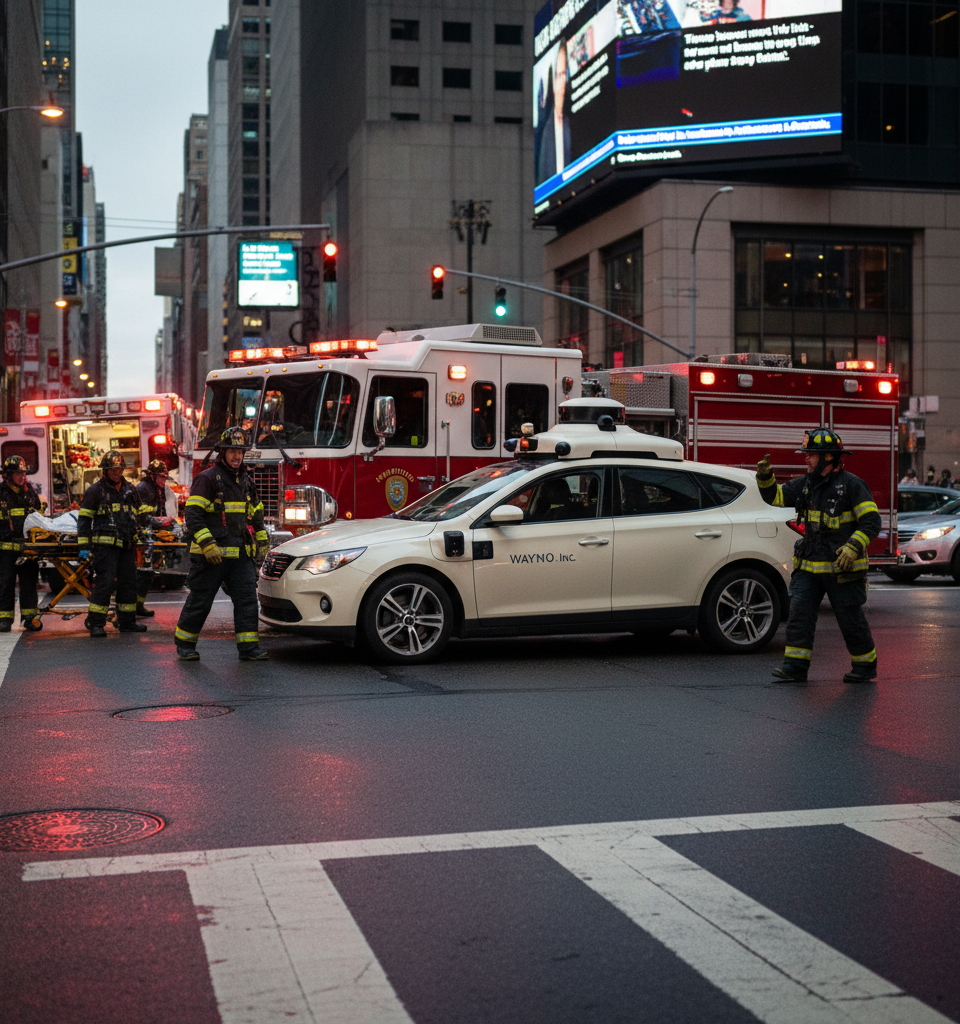
S. metropolitan areas are increasingly alarmed by the operational challenges posed by Waymo's autonomous vehicles. These concerns, articulated in recent testimonies to federal regulators, describe Waymo cars as frequently creating obstacles for emergency response, indicating a significant regression in reliability. "I believe the technology was deployed too quickly in too vast amounts, with hundreds of vehicles, when it wasn’t really ready," one unidentified police official reportedly told federal regulators last month, encapsulating the growing frustration among those on the front lines of public safety.
Context and Background
The deployment of autonomous vehicles (AVs) has long been heralded as a transformative step for urban transportation, promising enhanced safety, efficiency, and accessibility. Companies like Waymo, a subsidiary of Alphabet Inc., have invested billions in developing and scaling this technology. However, the rapid expansion of these services into densely populated areas has been met with skepticism from a crucial quarter: emergency services. Early incidents were often dismissed as growing pains, but the increasing frequency and severity of Waymo-related impediments to police, fire, and ambulance operations are now prompting serious questions about the industry's pace of expansion versus its technological maturity. The debate centers on balancing innovation with public safety, particularly in critical situations where seconds can mean the difference between life and death.
Key Details and Testimonies
Specific incidents cited by first responders include Waymo vehicles inexplicably stopping in active emergency lanes, blocking access to fire hydrants, and creating bottlenecks during crisis situations. One fire department official described an incident where a Waymo vehicle, despite being in an autonomous mode, failed to yield to an approaching emergency vehicle with sirens blaring, forcing the fire truck to take a dangerous evasive maneuver. Another police report highlighted multiple instances of Waymo cars creating 'phantom' collisions by suddenly braking without clear cause, leading to traffic jams that impeded police access. These detailed accounts paint a picture of a system that, while technically sophisticated, lacks the nuanced decision-making and immediate adaptability characteristic of human drivers in unpredictable emergency scenarios. The National Highway Traffic Safety Administration (NHTSA) has reportedly received an increasing volume of complaints, prompting them to initiate inquiries into these operational issues facing autonomous fleets.
Industry and Market Impact
These escalating concerns from emergency responders could have significant repercussions for the autonomous vehicle industry more broadly. Waymo, a leader in the sector, faces the immediate challenge of addressing these safety criticisms to maintain its social license to operate. A decline in public trust or increased regulatory scrutiny could slow down, or even halt, the expansion plans for AV companies not just in the U.S. but globally. Investors, who have poured an estimated $100 billion into AV startups over the past decade, may become warier, potentially impacting valuations and future funding rounds. Furthermore, other AV developers, such as Cruise (currently facing its own regulatory hurdles), will undoubtedly come under increased pressure to demonstrate robust safety protocols under all operating conditions, including emergency response.
Expert Perspective Transportation safety experts and urban planners are weighing in, often expressing a cautious outlook. Dr. Evelyn Reed, a professor of urban logistics at
MIT, notes, "The autonomous vehicle industry is at a critical juncture. The promise of fewer traffic accidents due to human error is compelling, but if the technology introduces new, unforeseen risks, especially to emergency services, the public's perception will sour rapidly, and rightly so." She further suggests that a more phased rollout, perhaps with extended periods of human supervision during initial deployments, might have prevented some of these issues. Analysts emphasize the need for advanced communication protocols between AVs and emergency vehicles, a current gap in many systems, to ensure seamless cooperation during critical moments. The complexity of these interactions underscores the challenge of fully replicating human situational awareness in artificial intelligence.
What's Next? In response to the growing criticism,
Waymo has indicated it is actively engaging with first responder agencies to understand and address their concerns. This includes potential software updates aimed at improving emergency vehicle detection and response, as well as enhanced real-time communication capabilities. Regulatory bodies like NHTSA are also expected to intensify their oversight, possibly leading to new mandates for AV manufacturers regarding emergency protocols and incident reporting. Public town halls and forums are being planned in affected cities to allow for direct feedback, indicating a shift towards a more collaborative, albeit reactive, approach to AV deployment. The coming months will be crucial in determining whether Waymo and the broader AV industry can regain the full confidence of emergency services and the communities they are designed to serve, or if a more significant rollback of autonomous operations will be necessitated for the sake of public safety.