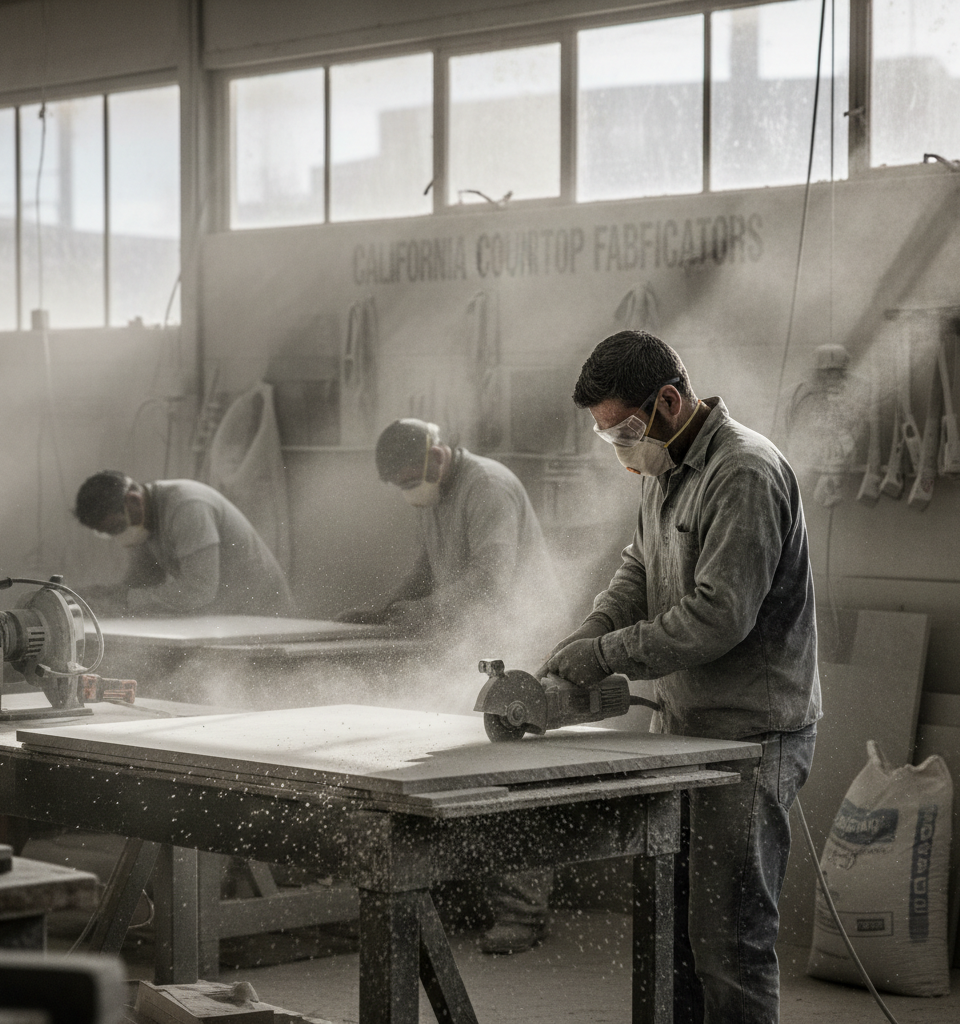
A severe public health crisis is unfolding in California's countertop fabrication industry, where more than 550 workers have been diagnosed with silicosis, an incurable lung disease, as a direct result of cutting engineered stone. This alarming development highlights significant occupational health risks associated with a material widely used in kitchens supplied by major retailers such as Home Depot, Lowe's, and Costco.
The widespread adoption of engineered stone, particularly in residential construction and renovation, has surged in recent decades due to its aesthetic appeal and durability. However, the material, often marketed as quartz, contains high concentrations of crystalline silica dust. When this material is cut, ground, or polished without adequate protective measures, it releases respirable crystalline silica (RCS) into the air. Inhaling these fine particles can lead to silicosis, a progressive and potentially fatal lung disease characterized by inflammation and irreversible scarring of the lungs.
The Rising Toll of Silicosis
The sheer number of confirmed cases—exceeding 550 workers in a single state—underscores the gravity of the situation. These individuals, primarily involved in the fabrication process, face debilitating symptoms including shortness of breath, persistent cough, and fatigue, which often worsen over time. The parallel to asbestos-related diseases is particularly chilling, as both involve exposure to fine mineral fibers or dust leading to severe, often latent, respiratory illnesses. Unlike asbestos, which saw its peak commercial use and subsequent regulatory crackdown decades ago, the dangers of engineered stone fabrication have only recently come to the forefront.
Industry and Retailer Implications
The connection of these cases to products destined for retailers like Home Depot, Lowe's, and Costco raises significant questions about supply chain responsibility and worker safety standards within the industry. While these retailers typically do not perform the fabrication themselves, they source and sell the finished products, creating a complex web of accountability. The high demand for engineered stone products from these national chains has likely contributed to the rapid pace of fabrication, potentially exacerbating exposure risks in workshops striving to meet quotas.
Historical Context and Regulatory Gaps
Silicosis is not a new disease; it has historically affected miners, quarry workers, and others exposed to silica dust. However, its resurgence in the engineered stone sector points to potential regulatory gaps or insufficient enforcement of existing occupational safety standards. Critics argue that the industry's rapid growth outpaced awareness and implementation of necessary safety protocols, leading to this preventable crisis. The U.S. Occupational Safety and Health Administration (OSHA) has specific standards for crystalline silica exposure, but their application and oversight within smaller fabrication shops have been inconsistent.
What's Next: Legal Challenges and Policy Changes
This emerging public health crisis is expected to trigger a significant wave of legislative action and legal challenges. Workers and their advocates are likely to pursue litigation against manufacturers, distributors, and potentially the major retailers involved, seeking compensation for medical costs, lost wages, and pain and suffering. Furthermore, there will be increasing pressure on state and federal regulators to strengthen safety regulations, enforce stricter dust control measures, and potentially mandate health monitoring for workers in this sector. Some jurisdictions may consider outright bans or severe restrictions on engineered stone products if safer fabrication methods cannot be universally adopted. The situation also calls for heightened awareness among consumers about the ethical and health implications of their purchasing choices.
Public Health Response and Future Outlook
The medical community in California is grappling with the implications of diagnosing and treating over 550 cases of an incurable disease. Efforts are underway to educate healthcare providers about silicosis linked to engineered stone and to develop strategies for early detection and palliative care. Researchers may also investigate safer alternatives to engineered stone or innovative methods to mitigate dust exposure during fabrication. As the true extent of exposure and disease latency unfold, the number of affected workers could unfortunately rise, cementing engineered stone's place alongside asbestos as a material with unforeseen and devastating health consequences for those who work with it.