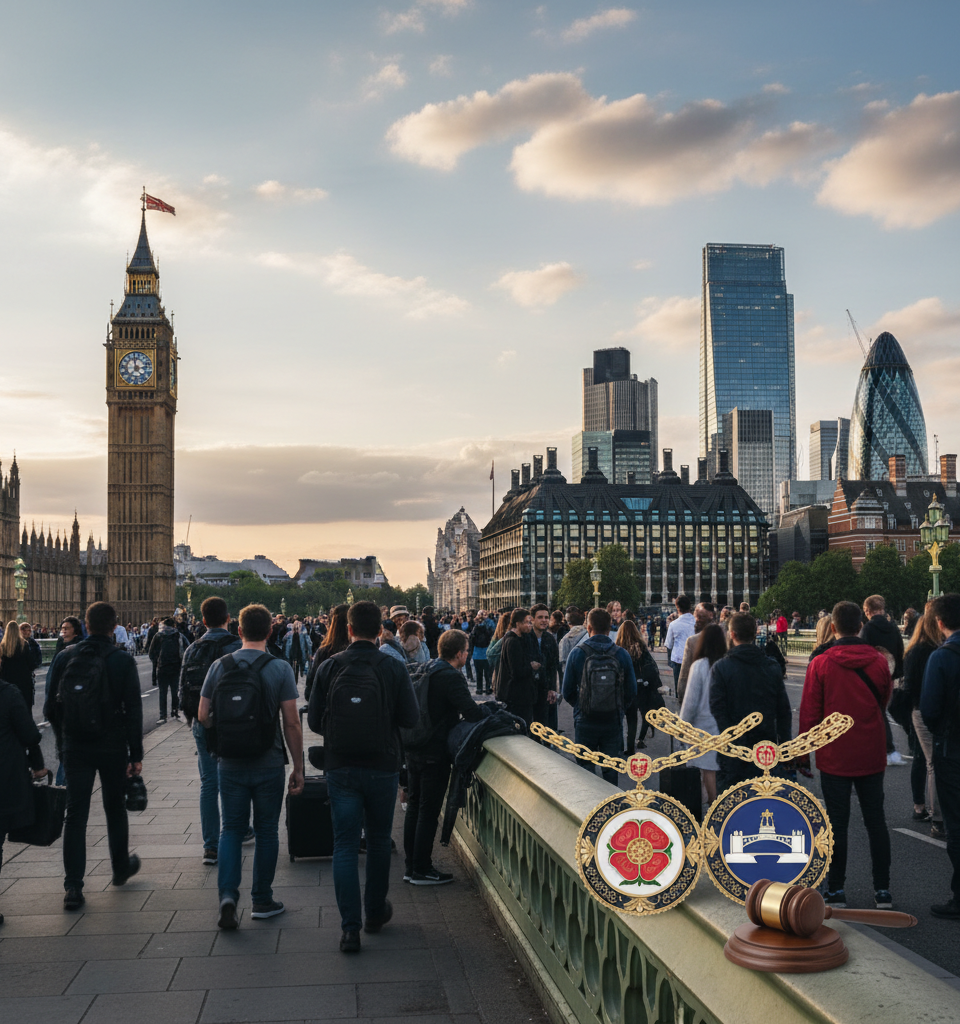
The expansion of fiscal powers for England's metropolitan mayors, allowing them to implement local tourist taxes, represents a significant decentralization trend. This shift could alter investment dynamics in urban tourism and hospitality sectors, compelling businesses to adapt to new regional cost structures.
Today, the UK government is expected to detail how local leaders in England will gain the authority to impose a tourist tax, also known as a transient visitor levy, on overnight stays. This anticipated announcement marks a pivotal moment for local governance, potentially providing mayors with a new revenue stream to fund public services and local attractions.
Context and Background
The concept of a tourist tax is not new globally. Many major cities and tourist destinations worldwide, from Paris to Rome and even closer to home in Scotland, already implement such charges. These levies typically involve a small fee added to hotel or accommodation bills, which is then channeled back into the local economy. In England, the discussion around empowering local authorities to introduce these taxes has been ongoing, driven by desires for greater financial independence and the need to support tourism infrastructure.
Historically, local councils in England have had limited direct taxing powers beyond council tax and business rates. This proposed change would represent a significant departure, granting specific regional leaders the ability to generate revenue directly from the visitor economy. Supporters argue it allows regions to benefit more directly from their popularity and address the associated costs of high tourism, such as increased waste management and infrastructure strain.
Key Details and Implementation
The specifics of how these powers will be granted are expected to be unveiled today. It is anticipated the framework will outline criteria for which mayoral authorities can introduce such levies, potential caps on the tax rate, and guidelines on how the collected funds must be utilized. The expectation is that the funds generated would be ring-fenced for local purposes, such as improving public transport, maintaining cultural sites, or investing in green initiatives that enhance the visitor experience.
The mechanism is likely to involve local mayoral authorities proposing a tax rate, which would then need to pass through a local democratic process, potentially including public consultations. This would ensure local businesses and residents have a say in the implementation and structure of any new charges. The government's guidance is crucial here, as it will shape the consistency and fairness of these levies across different regions.
Industry and Market Impact
The tourism and hospitality sectors are closely watching this development. For hoteliers and accommodation providers, this could mean new administrative burdens and potentially a slight increase in the total cost for visitors. While the taxes are typically small, industry bodies may raise concerns about their impact on competitiveness, especially for destinations vying for international travelers. However, if the funds are visibly reinvested into improving local attractions and infrastructure, it could ultimately enhance the visitor experience and increase footfall, benefiting the industry in the long term.
Regions with high tourist numbers, such as London, Greater Manchester, and the West Midlands, are likely to be among the first to consider implementing such taxes. The potential revenue generated could be substantial, offering a stable and dedicated funding source for projects that have struggled for investment. This could lead to a more attractive and sustainable tourism offering in these areas.
Future Implications
Looking ahead, the successful implementation of tourist taxes by English mayors could set a precedent for further devolution of fiscal powers. It may encourage other local authorities, beyond mayoral combined authorities, to advocate for similar capabilities. The impact on regional economies will be a key metric to watch, particularly how these new funds are allocated and their tangible benefits to local communities and businesses.
The move underscores a broader government strategy to empower local leaders, enabling them to address regional challenges with locally sourced solutions. The coming months will likely see various mayoral offices consulting with local stakeholders to determine the feasibility and optimal structure for introducing these new levies, paving the way for a new era of local financial autonomy in England's major urban centers.