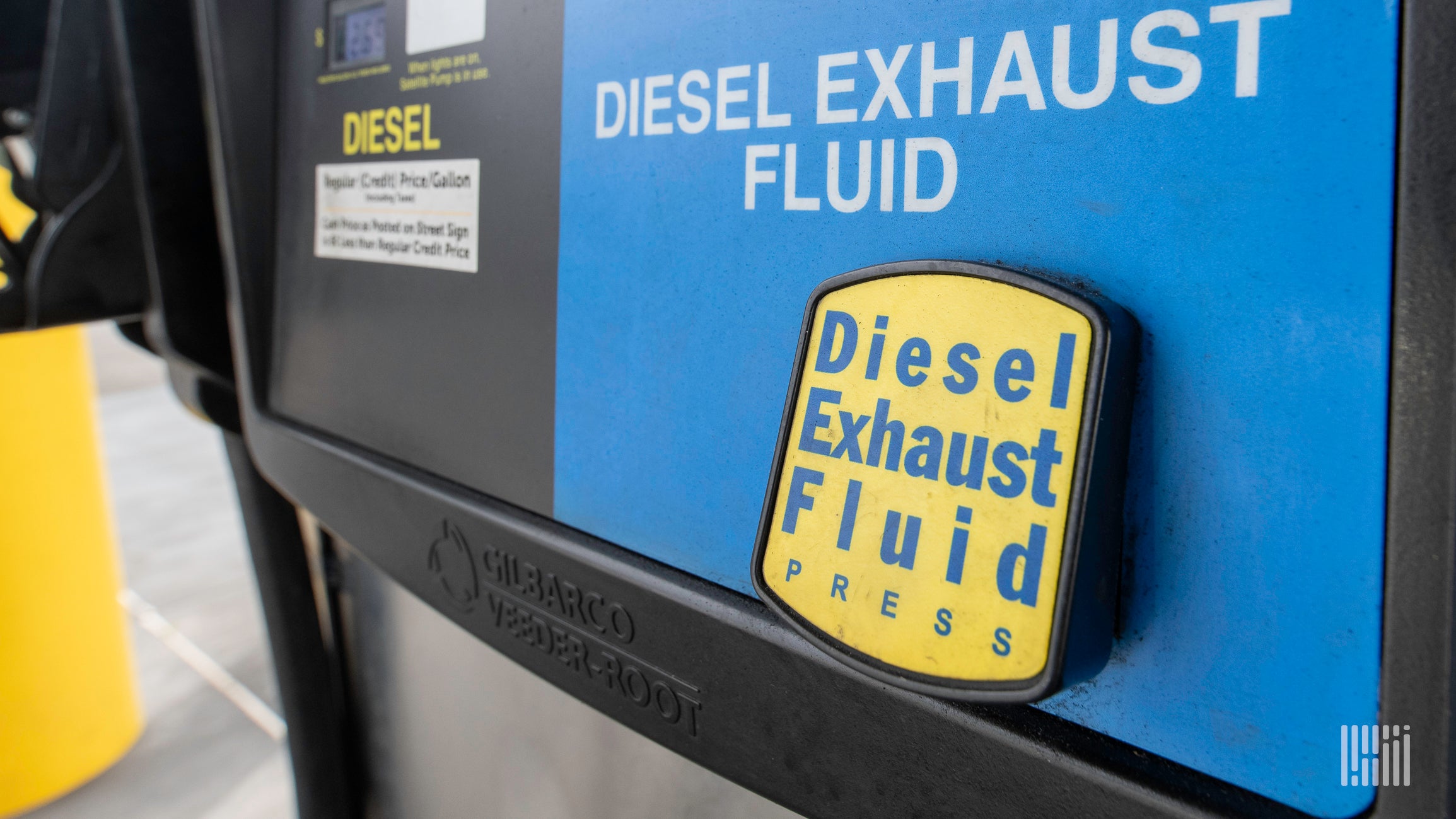
Washington D.C. — In a landmark decision poised to ripple through the commercial trucking and heavy equipment industries, the U.S. Environmental Protection Agency (EPA) has officially rescinded its long-standing mandate for diesel exhaust fluid (DEF) sensors in new diesel-powered vehicles and non-road equipment. The agency's revised policy, quietly announced, effectively eliminates a critical component of emission control systems that has been standard for over a decade, signaling a significant shift in regulatory enforcement and compliance for manufacturers and fleet operators nationwide.
The Evolution of Emissions Control and DEF Sensor Mandates
This policy change marks a pivotal moment in the ongoing efforts to balance environmental protection with operational realities for the diesel industry. DEF sensors were implemented as a critical part of Selective Catalytic Reduction (SCR) systems, designed to ensure that vehicles were properly injecting diesel exhaust fluid into the exhaust stream to reduce nitrogen oxide (NOx) emissions. The mandate, which became widespread after stricter emissions standards were introduced, aimed to prevent tampering and ensure continuous compliance with air quality regulations. The sensors were intended to detect low DEF levels, poor DEF quality, or system malfunctions, typically prompting engine derates to force corrective action.
Key Factors Driving the EPA's Policy Reversal
While the EPA has not yet issued a detailed public explanation for the policy shift, industry insiders suggest several factors likely contributed to the decision. Persistent issues with sensor reliability, particularly in harsh operating environments and varying temperatures, have plagued fleet operators and manufacturers. Malfunctioning sensors often led to costly downtime, erroneous engine fault codes, and significant repair expenses, even when the DEF system itself was functioning correctly. Furthermore, advancements in other monitoring technologies and a deeper understanding of real-world DEF consumption patterns may have led the EPA to conclude that the specific sensor mandate was no longer the most effective or necessary means of ensuring compliance.
Industry Reactions and Expected Market Impact
The freight and heavy equipment sectors are keenly watching the implications of this announcement. Manufacturers, who have invested heavily in designing and integrating these sensor systems, will likely re-evaluate their production lines and potentially realize cost savings. Fleet owners, long burdened by the maintenance and repair costs associated with DEF sensors, anticipate reduced operational complexities and improved vehicle uptime. "This is a pragmatic move by the EPA," stated John Smith, CEO of National Hauling Corp. "The cost and headache associated with sensor failures often outweighed their benefit, especially when our DEF usage was already rigorously monitored. This should lead to more reliable equipment and lower maintenance burdens for our fleets."
Expert Analysis: Balancing Compliance and Practicality
Environmental policy experts are evaluating the long-term ramifications of the EPA's decision. While some express concern about potential loopholes or increased opportunities for tampering without direct sensor oversight, others suggest that the EPA may be shifting towards outcome-based compliance, relying more on overall emissions performance data rather than prescriptive component mandates. Dr. Emily Chen, an environmental engineering professor at the University of California, Berkeley, noted, "The agency might be pivoting to a more holistic approach, trusting advanced telematics and regular inspection protocols to maintain emissions standards. The goal remains clean air, but the pathway to achieving it can evolve with technology and practical experience."
What Lies Ahead: Future Compliance and Technological Adaptation
Looking forward, manufacturers will likely update their engine control strategies to reflect the new regulations, possibly integrating alternative methods for monitoring DEF system integrity. The focus may shift to more robust software-based diagnostics and enhanced telematics that track DEF consumption rates and vehicle emissions performance in real-time. This change could also pave the way for innovation in other areas of emissions control, as resources previously allocated to sensor development and integration can be re-directed. The industry will closely monitor how this policy change impacts the reliability and long-term emissions performance of new diesel equipment, especially as the EPA continues to push towards increasingly stringent environmental targets for air quality.