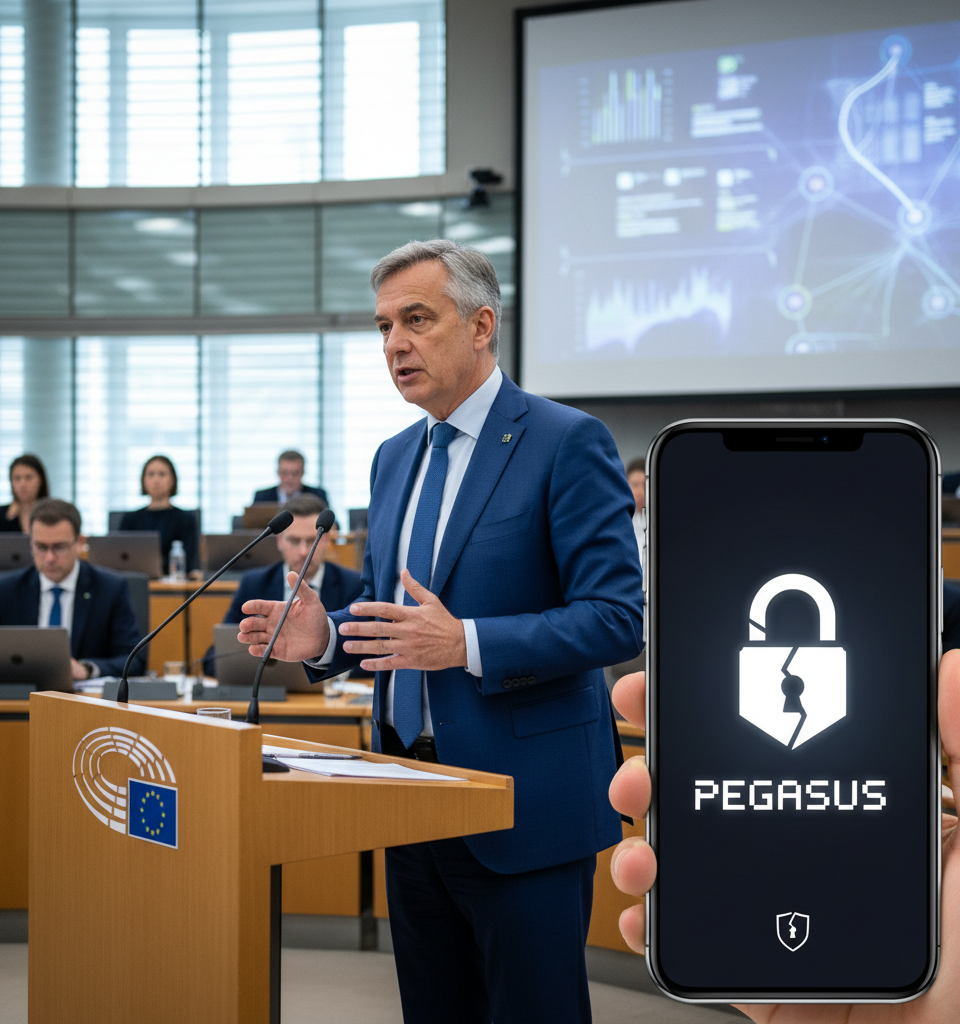
A European politician, whose identity remains undisclosed, has reportedly become a victim of sophisticated cyber espionage, with their phone allegedly being hacked using NSO Group's notorious Pegasus spyware. This incident is particularly alarming as the individual was, at the time of the reported breach, a member of a European Union committee specifically established to investigate abuses within the very spyware industry that appears to have targeted them.
The revelation underscores the pervasive threat posed by advanced surveillance tools and the profound challenges faced by democratic institutions attempting to regulate them. The alleged attack by a government customer of NSO Group on a serving EU official highlights a significant conflict of interest and raises urgent questions about accountability, the rule of law, and the protection of politicians and whistleblowers who delve into sensitive areas of national security and technology.
Context of the Breach
The reported hacking occurred while the politician was actively engaged in oversight efforts concerning the global spyware industry. The EU committee's mandate includes examining the legal and ethical implications of surveillance technologies, investigating instances of misuse, and proposing regulatory frameworks to prevent future abuses. This direct targeting of a committee member signals a potential attempt to obstruct investigations, gather intelligence on proceedings, or intimidate those critical of the industry, creating a chilling effect on democratic scrutiny.
NSO Group's Pegasus and Its Controversies
NSO Group, an Israeli technology firm, developed Pegasus, a highly potent spyware capable of stealthily infiltrating mobile phones. Once deployed, it can extract extensive data, including messages, photos, and contacts, and even activate the device's camera and microphone without the user's knowledge. The company has repeatedly stated that Pegasus is sold exclusively to vetted government agencies for the purpose of combating terrorism and serious crime. However, numerous reports from human rights organizations and cybersecurity researchers have documented its alleged use against journalists, dissidents, lawyers, and political figures worldwide, drawing significant international condemnation.
Implications for European Security and Oversight
The alleged breach within an EU investigative body carries substantial implications for European security policy and the efficacy of its oversight mechanisms. If confirmed, it would demonstrate that even those tasked with protecting democratic values and digital rights are vulnerable to state-sponsored hacking. This incident could prompt a re-evaluation of existing cybersecurity protocols for EU officials and necessitate stronger, pan-European countermeasures against sophisticated digital threats. It also intensifies pressure on the EU to develop a unified and robust strategy for regulating the sale and use of surveillance technologies.
The Broader Industry Impact
This development is expected to reverberate throughout the global spyware industry, which is already under intense scrutiny. It will likely fuel calls for more stringent export controls, greater transparency from surveillance technology vendors, and potentially, sanctions against entities found to be complicit in human rights abuses or illegal surveillance. The incident could also galvanize a broader international effort to establish clear legal frameworks for the legitimate use of surveillance tools while simultaneously protecting fundamental freedoms and privacy in the digital age.
What's Next?
Further investigations are anticipated to uncover the precise details of the alleged hack, including the identity of the government customer responsible and the specific data that may have been compromised. The EU committee itself is expected to address these reports with urgency, potentially expanding its scope to include an internal review of cybersecurity vulnerabilities and a more aggressive stance on holding NSO Group and its clients accountable. This incident could serve as a critical turning point in the ongoing debate over the ethics and regulation of governmental surveillance capabilities.