Global supply chains and cross-border transport operations face significant cost pressures and potential disruption if European truck makers struggle with compliance deadlines. Timely adaptation to new regulations directly impacts fleet availability and the seamless movement of goods across continents.
European truck manufacturers are actively pursuing relief from stringent emissions compliance targets, a situation brought into sharp focus ahead of the 2026 regulatory mandates. Discussions around these challenges are prominent, particularly in the context of major industry events like the IAA, Europe's premier commercial vehicle show.
Mounting Pressures and Shared Concerns
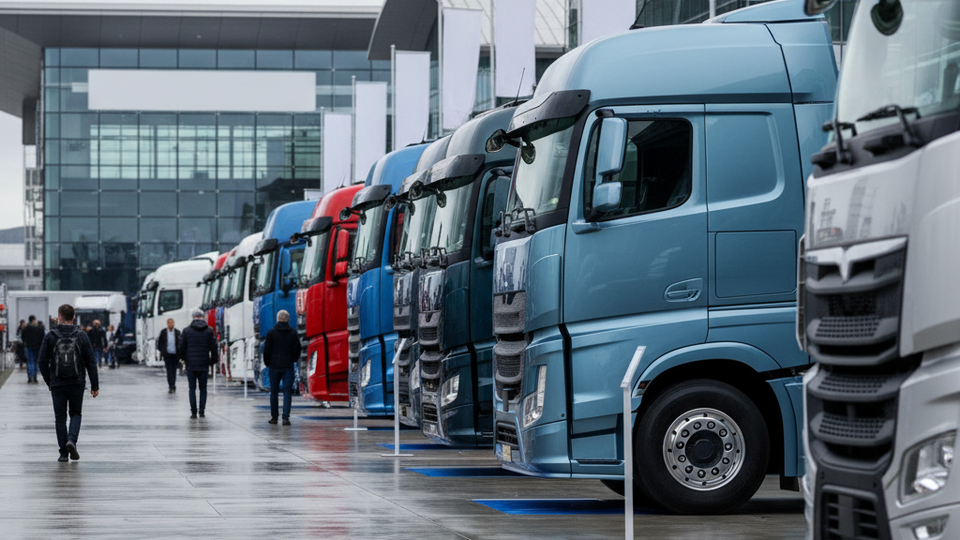
The scale of the IAA, which significantly surpasses any North American truck exhibition, underscores the critical importance of the heavy vehicle sector to Europe's economy and infrastructure. Yet, despite its size and influence, the 2026 edition of the show highlighted that European carriers are contending with many of the same issues as their North American counterparts. This includes intense pressure to meet evolving environmental standards while maintaining operational viability and controlling costs.
The core of the problem lies in the ambitious timelines and technological demands set by the new emissions rules. These regulations aim to significantly reduce greenhouse gas emissions and air pollutants from heavy-duty vehicles, pushing manufacturers towards cleaner technologies such as electric or hydrogen-powered trucks. However, the transition involves substantial investment in research, development, and manufacturing capacity, alongside challenges in infrastructure development for charging and refueling.
The Landscape of Compliance
The push for emissions compliance is part of a broader global effort to combat climate change and improve air quality in urban centers. For the trucking industry, this translates into a fundamental shift away from traditional diesel engines. The European Union has been a frontrunner in setting aggressive environmental targets, often influencing global regulatory trends. Manufacturers are now seeking pragmatic solutions to bridge the gap between regulatory ambition and market readiness.
One significant hurdle is the economic viability for fleet operators. The higher upfront cost of zero-emission vehicles, coupled with concerns about range, payload capacity, and charging infrastructure availability, presents a complex equation for businesses. Without adequate support and a clear path to profitability, the adoption of new technologies could lag, impacting compliance rates.
Seeking Regulatory Flexibility
Industry stakeholders, including truck makers and haulage associations, are likely advocating for greater flexibility in the implementation of the 2026 mandates. This could involve requests for extended deadlines, revised emissions targets, or increased financial incentives for early adoption of cleaner technologies. The goal is to ensure a smooth transition that does not cripple the transport sector, which is vital for economic activity across the continent.
Such relief would aim to provide manufacturers more time to refine new technologies, scale up production, and ensure the reliability and affordability of next-generation trucks. It would also give fleet operators a longer runway to adapt their business models, invest in new vehicles, and build out the necessary supporting infrastructure.
Looking Ahead to 2026 and Beyond
The ongoing discussions between industry and regulators will be crucial in shaping the future of European road transport. The outcome of these negotiations will not only impact manufacturers' product development strategies but also the operational costs and competitive landscape for countless logistics and freight companies. The industry is closely monitoring developments, aware that the decisions made now will have lasting implications for their ability to meet environmental goals while sustaining their businesses in the coming years. The 2026 deadlines represent a pivotal moment, demanding solutions that balance environmental imperatives with economic realities for global commerce.