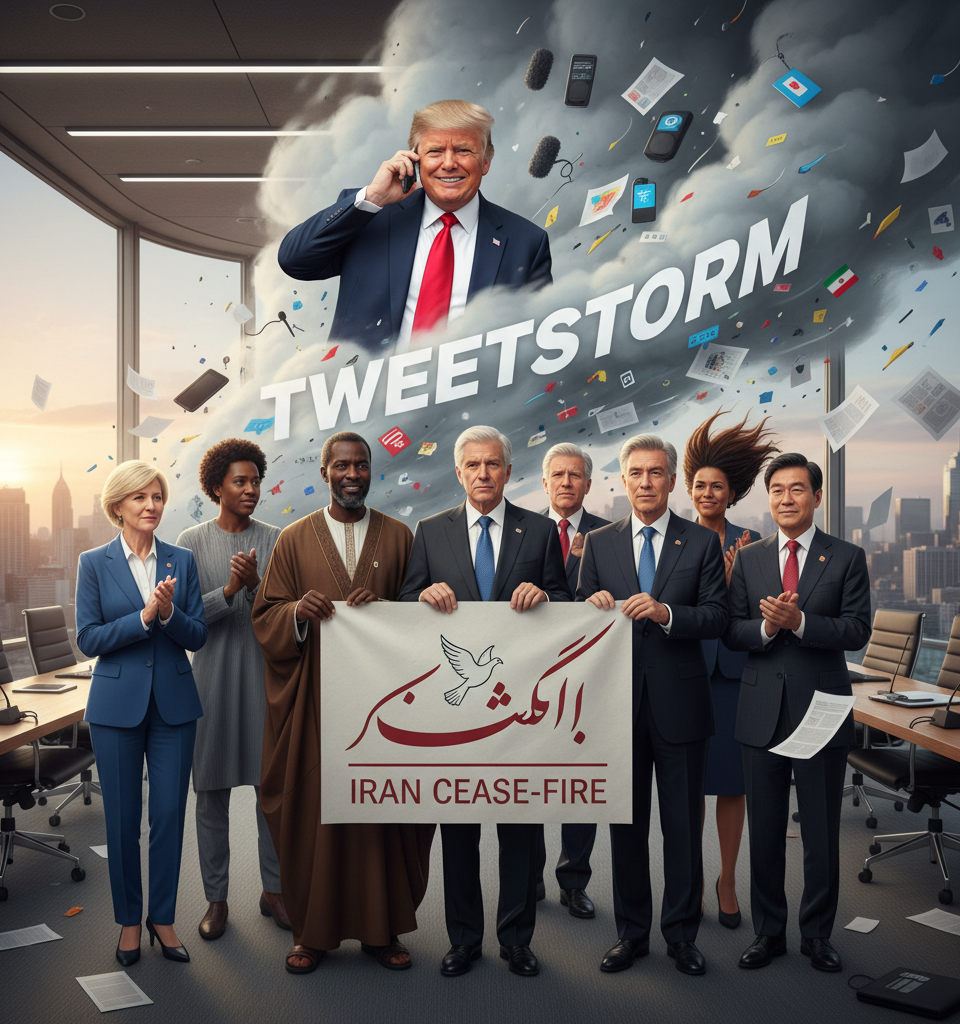
Global leaders find themselves in a complex diplomatic predicament, praising a recently established ceasefire with Iran even as they are whipsawed by the enduring repercussions of former President Donald Trump's past actions and ongoing influence. Across Europe and the broader international community, the conflict's fallout has demonstrably damaged economies, roiled domestic politics, and starkly highlighted a persistent lack of viable options in effectively dealing with the perceived whims of the former president.
Geopolitical Instability and Economic Fallout
The ceasefire, while a welcome de-escalation of immediate hostilities, does little to alleviate the deeper anxieties among allied nations who have grown accustomed to unpredictable shifts in global policy emanating from Washington during the Trump era. The repeated imposition of tariffs, the withdrawal from international agreements, and the often unilateral approach to foreign policy have fostered an environment of instability. This unpredictability has translated into tangible economic consequences, disrupting supply chains, deterring investment, and creating an uncertain landscape for international trade. European economies, deeply intertwined with global commerce and sensitive to geopolitical shifts in the Middle East, have been particularly vulnerable to these disruptions. The war, a direct consequence of escalating tensions, has further exacerbated these economic pressures.
Political stability within various nations has also been significantly challenged. Leaders, caught between domestic pressures to maintain alliances and the need to respond to the unpredictable nature of U.S. foreign policy, have often found their mandates and diplomatic strategies undermined. The balancing act between appeasing a powerful traditional ally and protecting national interests has proven to be a difficult tightrope walk, often leading to internal political dissent and questioning of long-held foreign policy doctrines. The crisis has exposed a raw nerve in international relations, revealing the fragility of global cooperation when a major power consistently deviates from established norms.
The Unresolved Challenge of Trump's Influence
The current situation underscores a critical, unresolved challenge: how international leaders can effectively manage relations with a United States that has, under a previous administration, demonstrated a willingness to diverge sharply from multilateral consensus. Despite the current administration's efforts to mend fences and restore traditional alliances, the institutional memory of the Trump years looms large, creating a lingering sense of apprehension. This sentiment is not confined to any single region; developing nations and established powers alike have been forced to reconsider their long-term strategic alignments and economic hedging against future policy shifts from Washington. The very act of praising a ceasefire, an event that should ideally be a clear diplomatic victory, is now tinged with the tacit acknowledgment of a precarious global order.
Broader Implications for Global Governance
The events of the past few years, culminating in the current complex dynamic, have profound implications for the future of global governance. The efficacy of international institutions, trade agreements, and collective security arrangements has been questioned. Nations are increasingly scrutinizing their vulnerabilities to external policy shocks and exploring avenues for greater strategic autonomy. This could manifest in diversification of economic partnerships, strengthening of regional blocs, and a more cautious approach to entering new international commitments. The war and its antecedent tensions have acted as a stark reminder that the traditional post-Cold War international order is under significant strain, necessitating innovative approaches to diplomacy and cooperation among sovereign states. The praise for the Iran ceasefire, while genuine, carries an undercurrent of concern about the broader, unresolved vulnerabilities that persist in the international system.
Looking Ahead: Sustaining Peace Amid Uncertainty
As the ceasefire takes hold, the immediate focus will undoubtedly be on its sustained implementation and the humanitarian aspects of post-conflict recovery. However, the larger geopolitical question of navigating a world still grappling with the aftershocks of Trump-era foreign policy remains paramount. Leaders will need to develop more robust frameworks for anticipating and mitigating the effects of unexpected policy reversals from major global actors. This could involve increased dialogue, diversification of strategic alliances, and a renewed emphasis on multilateral institutions as a bulwark against unilateralism. The delicate balance between celebrating diplomatic progress and addressing underlying international instability will define the diplomatic efforts in the months and years to come.