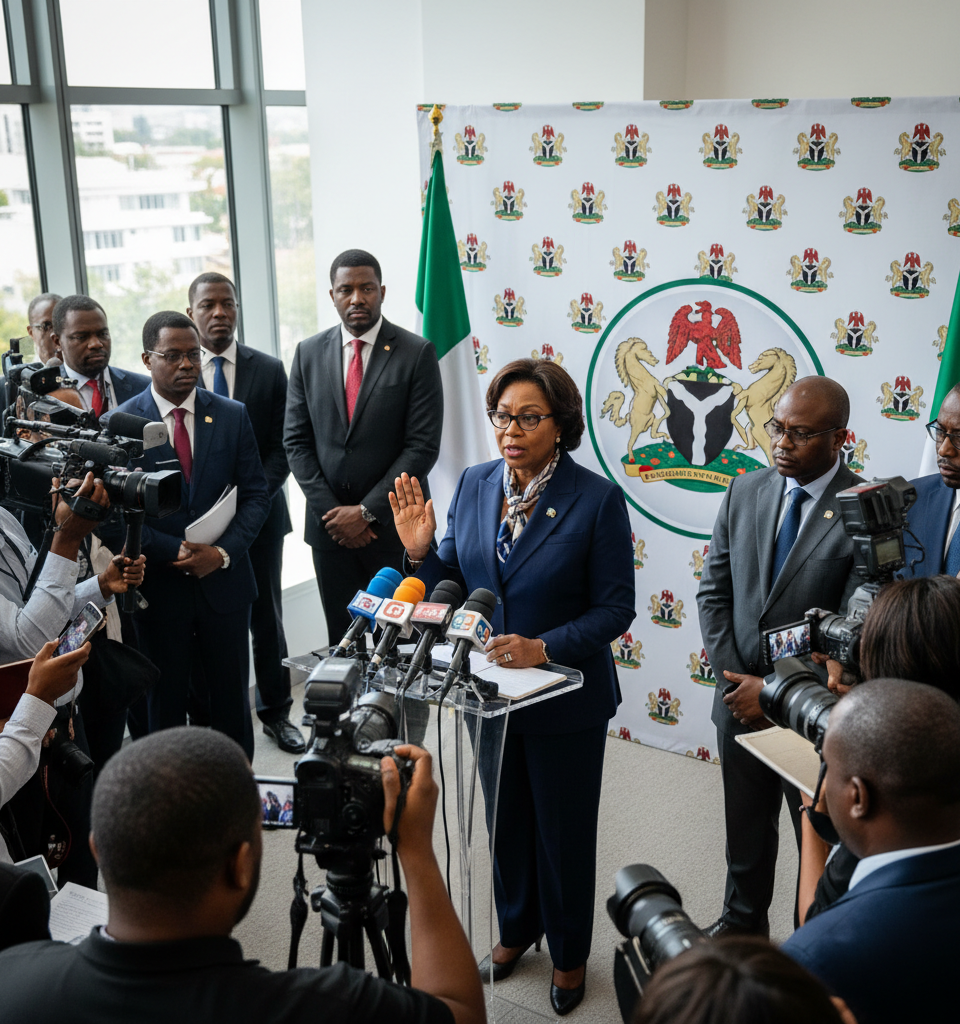
Diezani Alison-Madueke, who once held the influential position of Nigeria's oil minister, has issued a strong denial against claims that she maintained an opulent lifestyle in the United Kingdom, allegedly funded by bribes. The accusations suggest that properties she occupied in the UK were acquired and extensively renovated through financial contributions from individuals connected to the oil sector, raising serious questions about integrity and corruption within the sensitive industry.
This denial comes amid heightened international scrutiny on alleged illicit financial flows from resource-rich nations and the accountability of high-ranking public officials. The case against Alison-Madueke underlines the persistent challenges faced by governments in combating corruption, particularly when it involves former power brokers and the complex web of international finance. Her tenure as oil minister, a period of significant oil revenue for Nigeria, has long been a subject of considerable public and investigative interest, magnifying the importance of these recent allegations.
Allegations of Extravagance and Industry Ties
The core of the current allegations pivots on a purportedly lavish lifestyle enjoyed by Alison-Madueke in the UK. Specifically, it is claimed that properties she utilized were not only financed but also underwent extensive refurbishment, with the costs allegedly borne by prominent figures within the oil industry. These claims paint a picture of a reciprocal relationship, where favors and financial benefits may have flowed between the former minister and key players in the sector she oversaw. While the precise identities of these industry figures have not been detailed in the public statements, the implications point towards a potential conflict of interest and the misuse of public office for personal gain.
The context of Nigeria's oil industry, historically plagued by accusations of corruption and opacity, adds significant weight to these ongoing developments. The country remains Africa's largest oil producer, and the management of its vast petroleum resources has frequently been a flashpoint for domestic and international concern. Tales of embezzlement and undue influence are not new to the sector, making these present allegations against a former minister particularly resonant and indicative of deeper, systemic issues.
Broader Implications for Governance and Transparency
The unfolding situation surrounding Alison-Madueke has far-reaching implications beyond the courtroom. For Nigeria, it serves as another critical test of its commitment to anti-corruption efforts and the rule of law. A robust and transparent investigation, followed by due process, is essential to uphold public trust and demonstrate accountability. Internationally, the case highlights the role of financial havens and the complexities of pursuing assets and individuals across borders, often requiring intricate legal and investigative cooperation between nations.
Should the accusations be substantiated, they would undoubtedly reinforce narratives of grand corruption in resource-rich states, potentially influencing foreign investment and international aid policies. Conversely, a thorough and fair legal process, regardless of the outcome, can contribute to strengthening institutional frameworks designed to prevent such alleged abuses of power in the future. The UK's involvement as the alleged locale for the luxury lifestyle also brings its financial and legal systems under the spotlight, particularly regarding their effectiveness in identifying and seizing illicit wealth.
The Road Ahead: Legal Proceedings and Accountability
As Diezani Alison-Madueke continues to deny the accusations, the focus now shifts to the inevitable legal proceedings that will determine the veracity of these claims. These proceedings are expected to be complex, involving significant evidentiary challenges and potentially protracted investigations across multiple jurisdictions. The outcome of this case could set important precedents for how allegations of corruption against former high-ranking officials are handled, both in Nigeria and among its international partners.
In the near term, public and media attention will remain intensely focused on any developments stemming from the investigations and subsequent legal actions. This includes scrutinizing the evidence presented by prosecutors, the defense strategy employed by Alison-Madueke, and the eventual rulings by judicial bodies. The pursuit of justice in this high-profile case is not merely about an individual; it is fundamentally about affirming principles of good governance, transparency, and accountability at the highest levels of public service, especially in sectors critical to national economies.