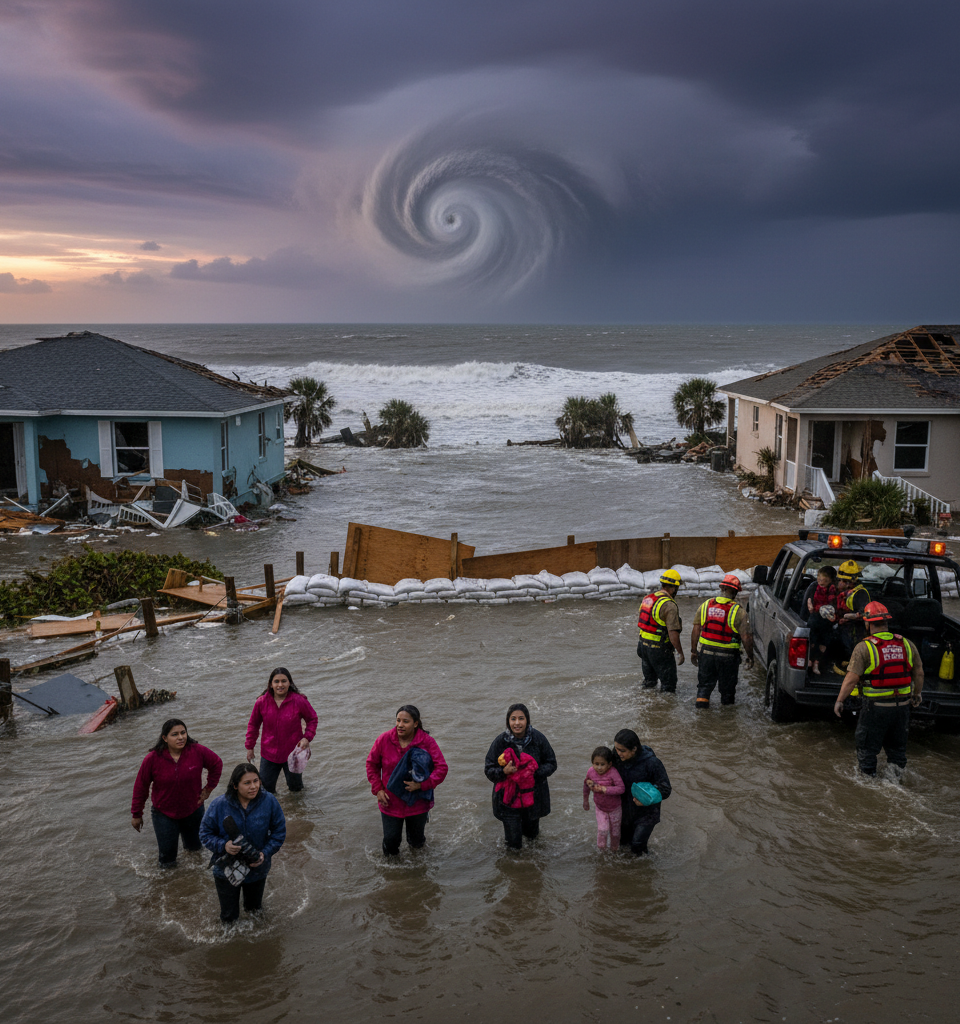
Growing concerns over escalating extreme weather patterns, exacerbated by a newly intensified El Niño phenomenon, are casting a significant shadow over the property investment landscape in the United States. Analysts and risk assessors are increasingly warning that at least eight states—primarily concentrated along vulnerable coastlines and arid regions—could face such severe climate-related challenges this summer that their real estate markets risk becoming effectively "uninvestable" for traditional long-term capital. This assessment comes as climate models predict a dramatic increase in the frequency and intensity of hurricanes, heatwaves, wildfires, and floods, directly impacting property values, insurance availability, and municipal financial health.
The Intensifying Climate Threat
The current El Niño event, previously anticipated to be moderate, has aggressively strengthened, signaling a period of extreme climatic volatility. This super-charged weather pattern is known to disrupt global weather systems, leading to hotter temperatures and more pronounced precipitation extremes. For the U.S., this translates into a heightened probability of record-breaking heatwaves across the Southwest, more powerful hurricanes along the Atlantic and Gulf Coasts, and increased wildfire risks in Western states, alongside unprecedented flooding events in unexpected areas. The financial implications are substantial, with Deloitte estimating that climate change could cost the global economy $178 trillion over the next 50 years if unaddressed, much of it stemming from property damage and business disruption.
States on the Brink
Specific states identified as particularly vulnerable include Florida, Louisiana, and North Carolina due to hurricane and sea-level rise risks; Arizona, California, and Nevada grappling with drought, extreme heat, and wildfires; and parts of Texas and Mississippi facing a combination of coastal storms and inland flooding. Property insurers are already signaling their retreat or imposing prohibitive premiums in these regions. 3 million policies, a sharp increase of 50% in the last two years.
Home insurance premiums in some of these vulnerable areas have surged by over 100% in just five years, making homeownership increasingly unaffordable and risky for both residents and investors. S. in 2023 alone exceeded $150 billion, according to NOAA data.
Market Repurcussions and Investor Hesitation
The looming threat of uninsurable or prohibitively expensive properties is already sending ripples through the broader real estate and financial markets. Institutional investors, including pension funds and private equity groups, are beginning to recalibrate their portfolios, divesting from assets in high-risk zones and reallocating capital to more climatically stable regions. This shift could lead to a two-tiered real estate market, where climate-resilient properties command a premium while vulnerable assets face significant devaluation and illiquidity.
Mortgage lenders are also expected to tighten underwriting standards for properties in these at-risk areas, potentially creating a credit crunch and depressing market activity. Furthermore, municipal bond markets could see increased scrutiny on states and localities with high climate exposure, impacting their ability to fund essential infrastructure projects.
Expert Analysis and Warnings
Climate economists and financial risk analysts are unequivocal in their warnings. Dr. Sarah Jenkins, a leading climate risk expert at the University of California, Berkeley, recently stated, "The incremental risks are no longer incremental; they are systemic. Investors who ignore these climate signals are essentially underwriting their own losses." She further elaborated that without significant public investment in resilience and adaptation strategies, property values in these vulnerable regions could plummet by 20% to 30% over the next decade, with some areas experiencing even more drastic declines. Moody's Investors Service has also begun integrating physical climate risks into its credit ratings for state and local governments, a move that could significantly impact borrowing costs for affected regions.
The Path Forward: Adaptation and Resilience
The immediate future demands a dual approach: robust adaptation strategies and proactive policy changes. State and federal governments are under increasing pressure to invest in resilient infrastructure, including improved flood defenses, wildfire mitigation, and drought-resistant water systems. Incentives for homeowners to harden their properties against extreme weather are also gaining traction. Furthermore, the development of innovative financial instruments, such as climate-linked bonds or parametric insurance policies, could provide some buffer. Without concerted efforts, the economic fallout for these eight states, and by extension the broader U.S. economy, could be severe, creating a lasting legacy of stranded assets and displaced communities.
Long-Term Implications and Shifting Demographics
Beyond immediate financial losses, the long-term implications include potential demographic shifts as residents are compelled to relocate from high-risk zones, leading to altered population densities and economic structures across the country. This internal migration, often dubbed "climate migration," could create new pressures on infrastructure and housing in ostensibly safer regions, while simultaneously hollowing out vulnerable areas. The challenge for policymakers will be to manage these transitions equitably, ensuring that the burden of climate change does not disproportionately fall on the most vulnerable populations or exacerbate existing economic inequalities. The 'uninvestable' label, while harsh, serves as a stark warning for the urgent need to integrate climate considerations into every facet of financial planning and urban development.