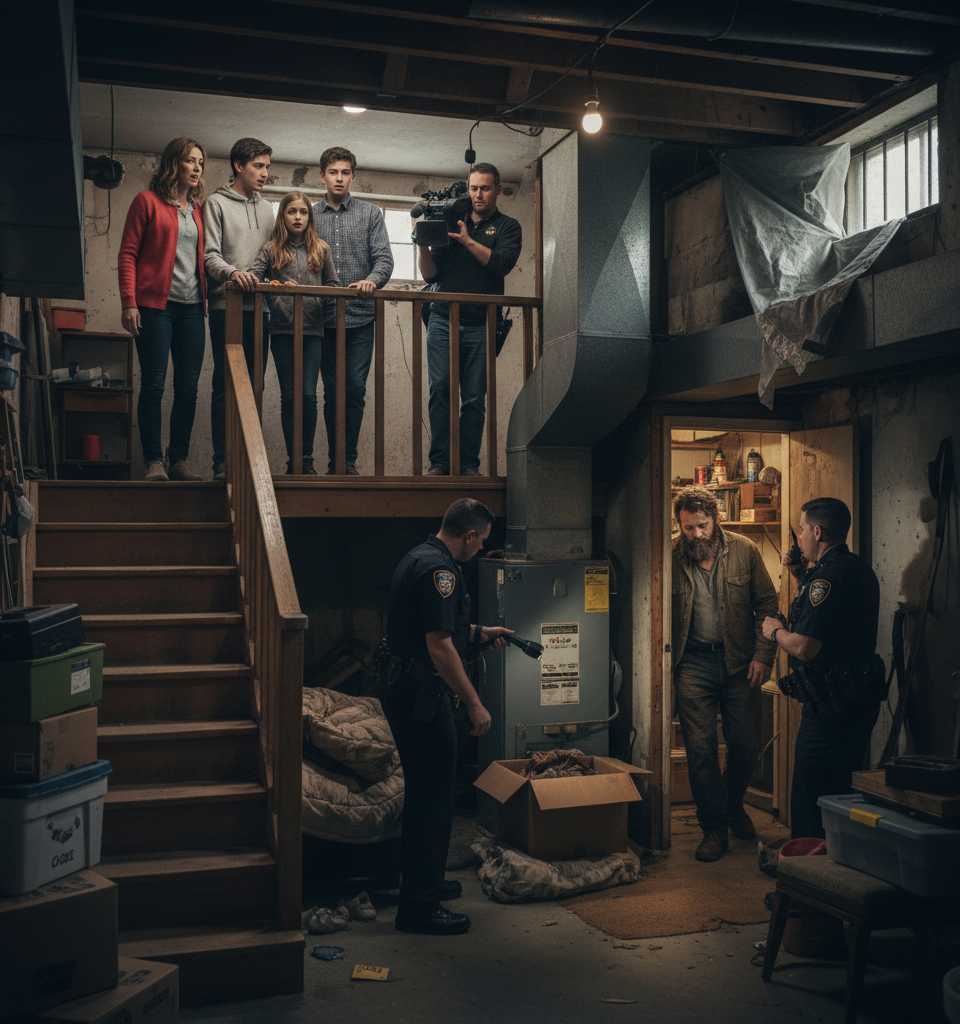
A family residing in a suburban area recently uncovered a startling situation when they discovered an unauthorized individual had been living in the basement of their occupied home for an unspecified period. The revelation, which followed a series of unsettling incidents including displaced furniture, missing food items, and inexplicably locked doors, has ignited a fervent discussion across local communities about the efficacy of existing home security measures and the psychological impact of such intrusions.
Context and Background
Incidents of unauthorized occupation, while not entirely unprecedented, are typically associated with vacant properties or abandoned buildings. The infiltration of an occupied family home marks a more severe breach of personal space and security, highlighting a disturbing evolution in the methods employed by trespassers. Historically, "squatting" laws have primarily addressed properties left vacant for extended periods, often requiring lengthy legal processes for eviction. This case, however, presents a distinct challenge, blurring the lines between trespass and invasion of privacy within a currently inhabited dwelling.
Key Details
The family, who requested anonymity due to the sensitive nature of the events, initially attributed the strange occurrences to misplacement or memory lapses. Over several days, however, the escalating frequency of these incidents—specifically, a continuously emptying pantry and objects moved in the rarely-used basement—prompted a more thorough investigation. The precise duration of the unauthorized individual's stay remains unclear, but the evidence suggested a sustained presence, indicating a well-orchestrated and discreet occupation. Law enforcement officials, who were not immediately available for comment, are reportedly investigating the circumstances surrounding the individual's entry and prolonged concealment within the residence. There have been no reports of physical harm to the family, though the emotional distress caused is immeasurable.
Industry and Market Impact
This incident is expected to send ripples through the home security industry, potentially driving up demand for advanced surveillance systems and more sophisticated access control technologies. Experts anticipate a surge in sales for motion-activated cameras, reinforced door and window locks, and possibly even subterranean property monitoring solutions. Property insurance providers may also review their policies regarding unauthorized occupation in occupied dwellings, potentially leading to new clauses or premium adjustments. The market for home monitoring services, including professional security patrols and real-time alert systems, could see significant growth as homeowners seek to fortify their defenses against such covert intrusions.
Expert Perspective
According to Dr. Eleanor Vance, a professor of criminology specializing in residential security, "This case underscores a growing need for homeowners to consider all points of entry and egress, not just the front door. Basements, attics, and even crawl spaces are often overlooked vulnerabilities. The psychological trauma of discovering someone has been living secretly within your home can be profound, impacting feelings of safety and privacy for years." Dr. Vance also stressed the importance of community vigilance and reporting suspicious activities, however minor they may seem, as early detection is often key in preventing more serious breaches.
What's Next
The family involved is reportedly exploring legal options and working with local authorities to enhance their home's security. This incident is likely to prompt a broader public discourse on tenant rights versus property owner rights, especially in scenarios involving surreptitious occupation. Many municipalities may also review and potentially revise existing ordinances to address this specific type of home invasion more effectively. Home security firms are already marketing products designed to detect clandestine dwellers, anticipating a new segment of demand. The long-term implications for victim families, particularly regarding mental health support and regaining a sense of sanctuary, will also be a critical area of focus for community services in the coming months.