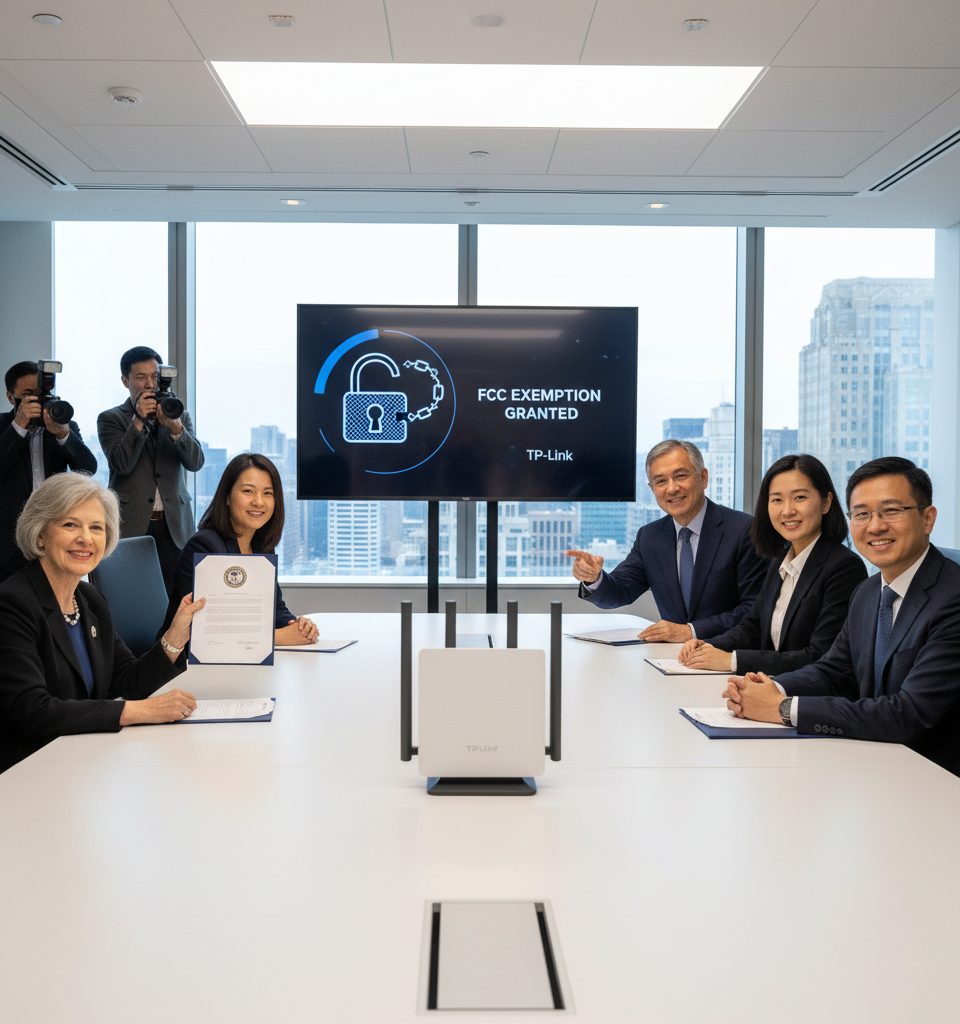
WASHINGTON D.C. – In a significant development for the cybersecurity of consumer networks and the router manufacturing industry, the U.S. Federal Communications Commission (FCC) has granted its inaugural exemption to a new ban on the importation and sale of foreign-made routers deemed a national security risk. The beneficiary of this landmark decision is TP-Link, a major player in the global networking hardware market, indicating a potentially more nuanced regulatory approach than initially anticipated. This exemption, announced in late, marks a critical juncture for both consumers concerned about network security and manufacturers navigating evolving U.S. trade and technology policies.
The Mandate: Securing America's Home Networks
The FCC's move to ban certain foreign-made routers stems from growing concerns over potential national security vulnerabilities embedded within hardware sourced from specific foreign adversaries. This initiative, often referred to as the "Secure and Trusted Communications Networks Act," aims to safeguard critical infrastructure and consumer data by restricting equipment from companies designated as posing an unacceptable risk to U.S. national security. The ban, which came into effect earlier this year, has cast a wide net over devices manufactured by entities such as Huawei and ZTE, impacting a significant portion of the global electronics supply chain. The implication for millions of American households, many of whom rely on affordable, foreign-made routers, has been substantial, raising questions about device compatibility, future updates, and replacement costs.
TP-Link's Paving the Way: Exemption Details and Firmware Updates
TP-Link's successful exemption is a testament to the company's proactive engagement with U.S. regulators and its demonstrable commitment to compliance. While specific details of the exemption remain proprietary, sources close to the matter suggest that TP-Link provided extensive documentation detailing its supply chain security protocols, manufacturing processes, and explicit assurances regarding data integrity and absence of backdoors. Crucially, TP-Link has committed to rolling out firmware updates for affected models, ensuring that devices already in circulation meet the FCC's stringent security benchmarks. This commitment to post-market remediation is a significant factor, potentially setting a precedent for other manufacturers seeking similar exemptions. Consumers are advised to monitor official TP-Link channels and the FCC's website for specific model information and firmware update schedules.
Industry Repercussions and Market Shift
The exemption for TP-Link sends a ripple through the networking hardware industry, signaling that while the FCC's stance on national security threats is firm, there is a pathway for compliance and continued market participation for foreign manufacturers willing to adapt. This could lead to a strategic realignment within the industry, with companies investing heavily in supply chain transparency, independent security audits, and potentially even relocating manufacturing or R&D facilities to regain regulatory trust. Smaller foreign-made router brands, which may lack the resources to navigate complex regulatory frameworks or implement costly firmware overhauls, could face significant barriers to the U.S. market, potentially consolidating market share among compliant, larger players. This could also spur innovation in domestic manufacturing, albeit at potentially higher price points for consumers.
Expert Insights: Balancing Security and Innovation
"The FCC's decision with TP-Link represents a pragmatic step," notes Dr. Evelyn Reed, a cybersecurity policy analyst at the Atlantic Council. "It demonstrates that the goal isn't necessarily to completely sever ties with all foreign manufacturing, but to enforce rigorous security standards. The challenge now lies in ensuring these standards are uniformly applied and effectively verified, without stifling innovation or creating unnecessary cost burdens for consumers." Other experts highlight the complexity of vetting global supply chains, reiterating that a single exemption does not negate the pervasive challenges of hardware-level backdoors and cyberespionage, particularly from state-sponsored actors.
Looking Ahead: Firmware Updates and Further Exemptions
The immediate future will see TP-Link homeowners eagerly awaiting and implementing required firmware updates. For the broader market, attention will turn to whether other foreign manufacturers can successfully navigate the exemption process. The FCC's subsequent decisions will be crucial in defining the long-term landscape of the U.S. consumer networking market. Manufacturers are likely scrutinizing TP-Link's success, preparing their own compliance strategies, and intensifying lobbying efforts. Consumers should remain vigilant, prioritizing devices that explicitly comply with FCC guidelines and maintain a robust update schedule, recognizing that the battle for secure home networks is an ongoing one. The implications for product diversity and pricing could be significant as the market adjusts to these new security prerequisites.
Anticipated Consumer Impact and Device Lifespan
For consumers, the FCC's ban and subsequent exemptions mean a heightened focus on the provenance and security features of their networking hardware. While the immediate impact on existing, pre-ban devices is primarily related to potential firmware updates, future purchases will undoubtedly favor FCC-compliant models. This might lead to a temporary increase in device prices as manufacturers incur costs for compliance and security upgrades. However, in the long term, it is expected to foster a more secure and trustworthy ecosystem of networking devices. Consumers are encouraged to regularly check for manufacturer updates and consider the longevity and security commitment of a brand when making purchasing decisions, potentially shifting away from solely price-driven choices.