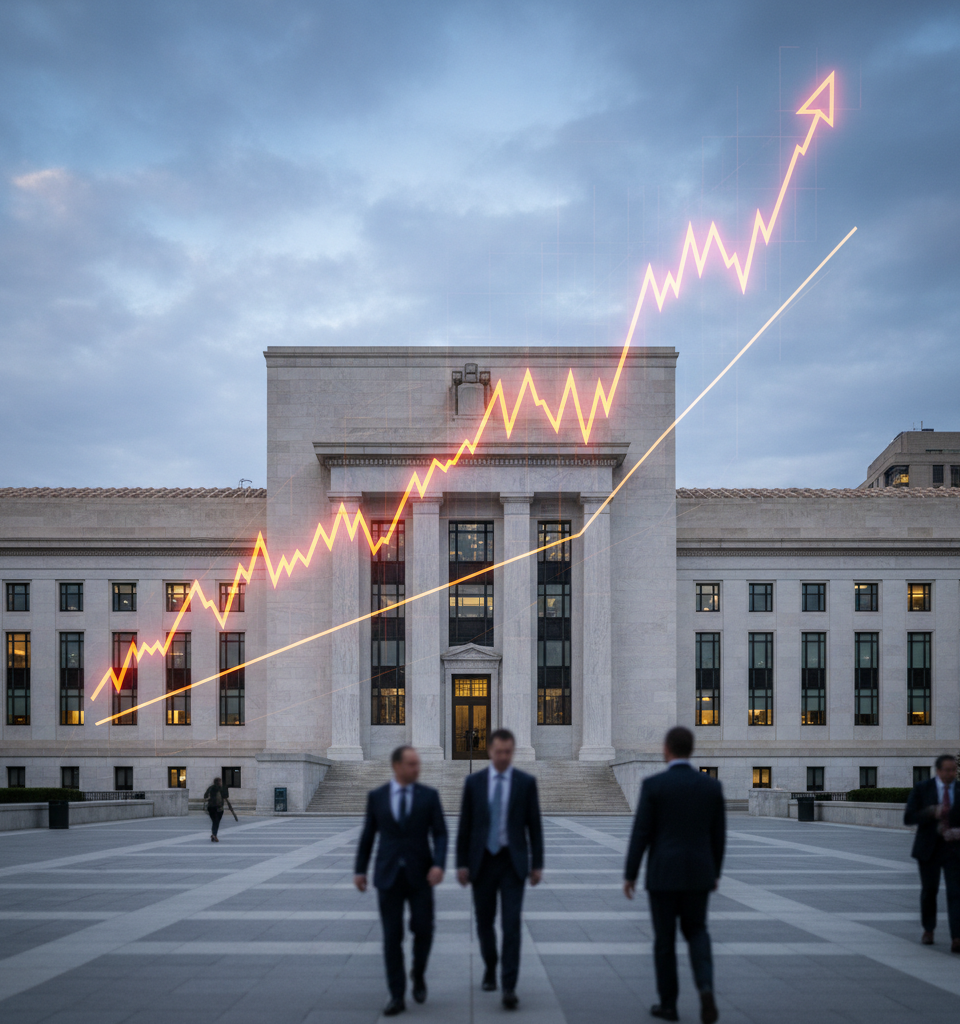
For global investors and multinational corporations, this intensified hawkish stance from the Federal Reserve signals potential headwinds for borrowing costs and capital allocation, as higher interest rates in the world's largest economy ripple across financial markets. Business leaders should closely monitor the Fed's future actions and communications for clues on rate trajectories, which will significantly influence currency valuations and cross-border investment decisions.
Fed Hawks Circle as Inflation Worries Deepen
The Federal Reserve's latest policy meeting, held in July, saw a notable increase in impatience among officials regarding persistently elevated inflation, signaling a firm pivot towards more aggressive monetary tightening. According to the recently released minutes from this critical gathering, a growing consensus emerged among members of the Federal Open Market Committee (FOMC) to prioritize bringing down price pressures, even at the risk of potentially constraining economic growth. This shift suggests the central bank is prepared to employ more forceful measures to restore price stability.
Context: The Persistent Battle Against Inflation
This increasingly hawkish posture comes amidst a backdrop of inflation that has proven more stubborn than initially anticipated, challenging the Fed's earlier assessments. For months, the central bank has been navigating the delicate balance between curbing soaring prices and sustaining economic expansion. The minutes indicate that earlier measures, while impactful, have not yet fully convinced a significant portion of the FOMC that inflation is on a definitive path back to the Fed's long-term target. This sustained vigilance underscores the deep-seated nature of current price pressures and the complex array of factors contributing to them, from supply chain disruptions to robust consumer demand.
Key Deliberations and the Shift in Stance
The detailed deliberations within the July meeting minutes highlight a significant ideological shift within the Fed. Officials expressed a heightened sense of urgency, with many advocating for a more rapid and substantial increase in the federal funds rate. The discussions pointed to concerns that allowing inflation to remain elevated for too long could entrench inflationary expectations, making it even harder to control in the future. This implies a willingness to tolerate greater economic discomfort in the short term to secure long-term price stability, diverging from earlier, more gradual approaches to tightening. The minutes did not specify particular rate hike magnitudes or timelines but clearly articulated a preference for decisive action.
Broader Economic Implications and Market Response
Such an assertive stance from the world's most influential central bank is expected to send clear signals throughout global financial markets. Higher U.S. interest rates typically strengthen the dollar, potentially impacting commodity prices and the competitiveness of U.S. exports. Domestically, businesses and consumers may face increased borrowing costs for mortgages, auto loans, and corporate credit, which could dampen investment and spending. Equity markets often react to hawkish Fed signals with volatility, as investors price in slower economic growth and reduced corporate earnings. The minutes suggest a period of sustained pressure on financial conditions as the Fed remains committed to its inflation-fighting mandate.
Looking Ahead: The Path of Monetary Policy
The revelations from the July minutes set the stage for upcoming FOMC meetings, indicating that the path forward will likely involve continued monetary tightening. Market participants will be closely scrutinizing future economic data, particularly inflation readings and labor market reports, for any signs that the Fed's aggressive measures are beginning to take hold. While the minutes don't provide explicit forward guidance on specific actions, the tone suggests that the central bank is prepared to act decisively and potentially front-load rate increases. Future policy decisions will be heavily influenced by how quickly and convincingly inflation begins to recede, alongside the resilience of the U.S. economy in the face of tighter financial conditions. The Fed's commitment to prioritizing inflation reduction appears resolute for the foreseeable future.