The Short Line Advantage
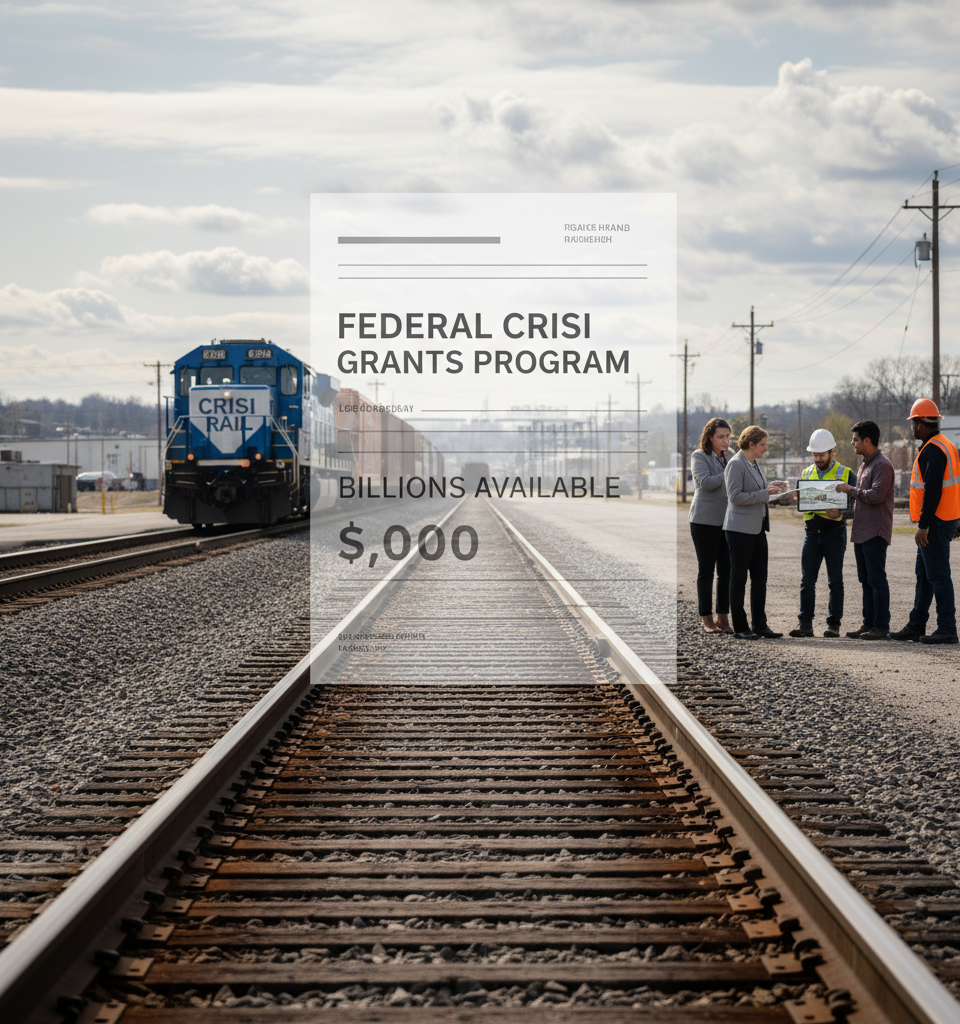
Short line railroads, typically operating fewer than 350 miles of track, are critical feeders to the Class I national network. They transport roughly 1 out of every 5 carloads of freight, connecting thousands of shippers in localized markets. Without robust short line infrastructure, many businesses would face significantly higher logistical costs and reduced access to markets. CRISI grants empower these smaller operations to undertake projects that might otherwise be financially unfeasible, ensuring their continued viability and competitiveness.
Project Examples and Impact Previous
CRISI grants have funded diverse projects, from replacing century-old rail bridges in rural Pennsylvania to installing advanced signaling systems in manufacturing hubs. For instance, a short line in Iowa might use a CRISI grant to replace miles of worn track, allowing heavier and faster trains, thereby improving service for agricultural shippers. Another potential project could involve upgrading a rail yard in a port city to improve intermodal transfer efficiency, reducing truck congestion and emissions. These investments have demonstrable returns in terms of accident reduction, faster transit times, and increased freight capacity across the entire rail ecosystem.
Application Process and Deadlines
The formal Notice of Funding Opportunity (NOFO) details the specific requirements, eligibility criteria, and submission deadlines. Prospective applicants must demonstrate a clear need, a well-defined project scope, realistic budget projections, and the capacity to complete the proposed work. Collaboration between railroads, state and local governments, and other stakeholders is often viewed favorably, highlighting the program's emphasis on integrated regional development. Interested parties should consult the official DOT website for the complete NOFO and application instructions.