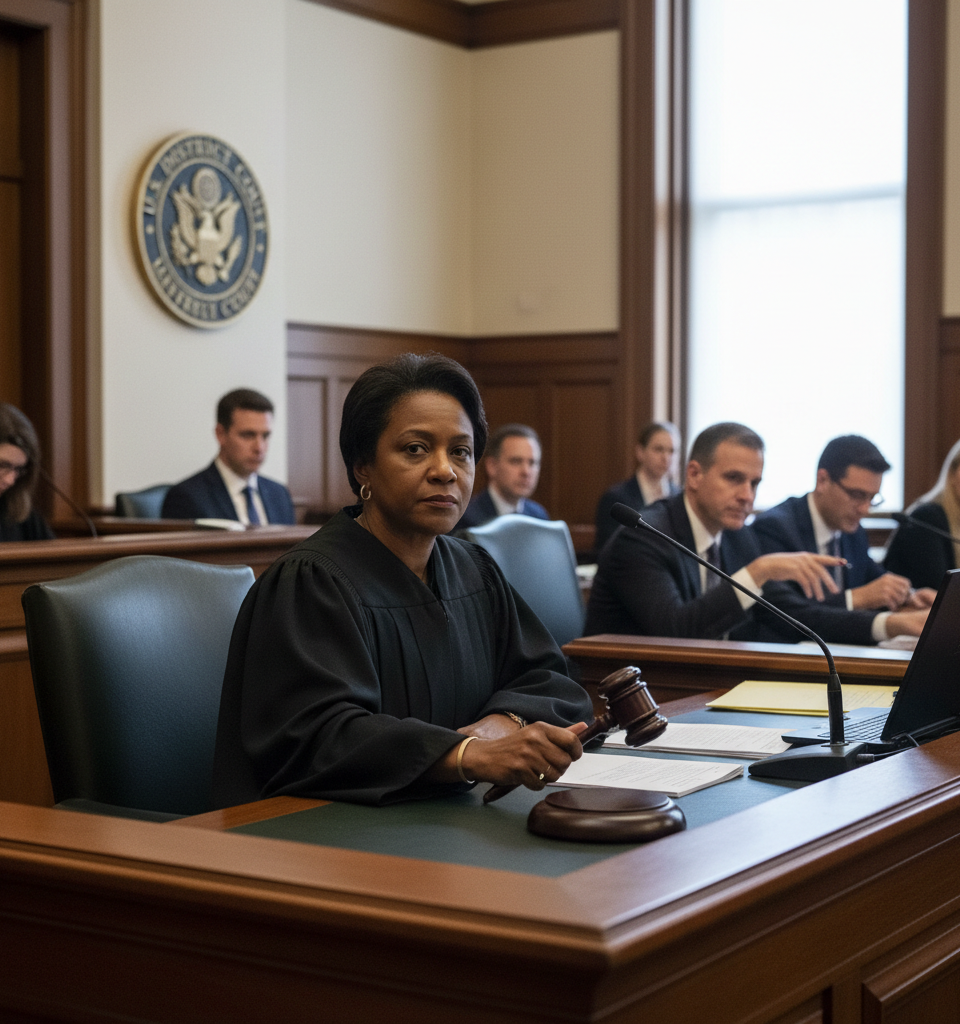
Washington D.C. — In a significant victory for press freedom and journalistic access, a federal judge has once again rejected the Pentagon's efforts to restrict reporters at its facilities. U.S. District Court Judge Tanya S. Chutkan, on, issued a decisive ruling gutting a revised set of rules implemented by the Department of Defense. These rules, introduced under the stewardship of [Specific Official/Secretary, if named, otherwise 'a senior Pentagon official'] were ostensibly designed to streamline media interactions but were widely criticized as an attempt to circumvent an earlier court order that had declared a previous, more stringent press policy unconstitutional. The legal challenge originated from a lawsuit filed by The New York Times, highlighting enduring tensions between government transparency and military information control.
Historical Context and Escalating Tensions
This latest ruling underscores a recurring struggle between the Department of Defense and the news media over access and information dissemination. The initial unconstitutional policy, which Judge Chutkan also struck down, had been in place for [duration, if known, e.g., 'several months'] and significantly curtailed reporters' ability to move freely within the Pentagon or approach officials for comment without prior approval. Following that initial defeat, the Pentagon, rather than reverting to a more open policy, unveiled a new framework that, according to critics and now the court, merely presented a thinly veiled re-packaging of the same restrictive principles. This pattern suggests a systemic resistance within certain Pentagon circles to robust journalistic scrutiny, particularly in sensitive defense matters.
Key Specifics of the Judgment and Its Implications
Judge Chutkan's ruling meticulously dismantled the Pentagon's revised policy, asserting that it continued to violate First Amendment rights by creating an undue burden on reporters. While the precise details of the invalidated rules included [mention specific examples if available, e.g., 'the requirement for a public affairs escort for every interaction, a ban on impromptu interviews in common areas, and a vague 'no disruption' clause that could be broadly interpreted'], the judge found these measures to be overly broad and not narrowly tailored to serve a compelling government interest. The ruling emphasized that the Pentagon had failed to demonstrate sufficient security or operational necessity to justify such widespread restrictions on newsgathering activities within publicly accessible areas of the building. Legal experts are noting that this judgment sets a strong precedent against government bodies attempting to use procedural re-writes to bypass constitutional protections.
Broader Impact on Press-Government Relations
This decision resonates far beyond the marble halls of the Pentagon, sending a clear message to all federal agencies regarding the limits of executive power in controlling information. In an era where trust in institutions is often questioned, unhindered journalistic access is paramount to a functioning democracy. The ruling reinforces the constitutionally protected role of the press as a check on governmental power, ensuring accountability and transparency. For media organizations, this means a renewed ability to report critically on defense policy, spending, and military operations without arbitrary gatekeeping, potentially leading to more informed public discourse on national security issues.
Expert Analysis on the Legal and Ethical Dimensions
Legal scholars and media ethicists have widely praised Judge Chutkan's consistent stance. "This is a vital reaffirmation of the 'right to gather news' aspect of the First Amendment," commented Dr. Eleanor Vance, a constitutional law professor at Georgetown University. "The court correctly recognized that you cannot simply rebrand an unconstitutional policy and expect it to stand. The Pentagon's attempts to manage the narrative through access limitations run contrary to democratic principles." Others have pointed to the financial implications, noting that protracted legal battles over press access often cost taxpayers significant sums, diverting resources that could be used elsewhere.
What's Next: Potential Avenues and Future Developments
The Department of Defense now faces a critical juncture. It can choose to appeal Judge Chutkan's ruling to a higher court, though such an appeal would face an uphill battle given the judge's consistent reasoning and the well-established constitutional precedents. Alternatively, and more constructively, the Pentagon could engage in a genuine dialogue with media organizations to develop a transparent and constitutionally compliant media access policy. The outcome of this decision will undoubtedly influence how other federal agencies approach press relations. While an immediate return to unfettered access may not occur overnight, this ruling significantly empowers journalists and their legal advocates to push for greater openness and accountability from the nation's defense establishment. The media will be watching closely to see if the Pentagon finally embraces its constitutional obligations to the press, or continues its attempts to control the flow of information.