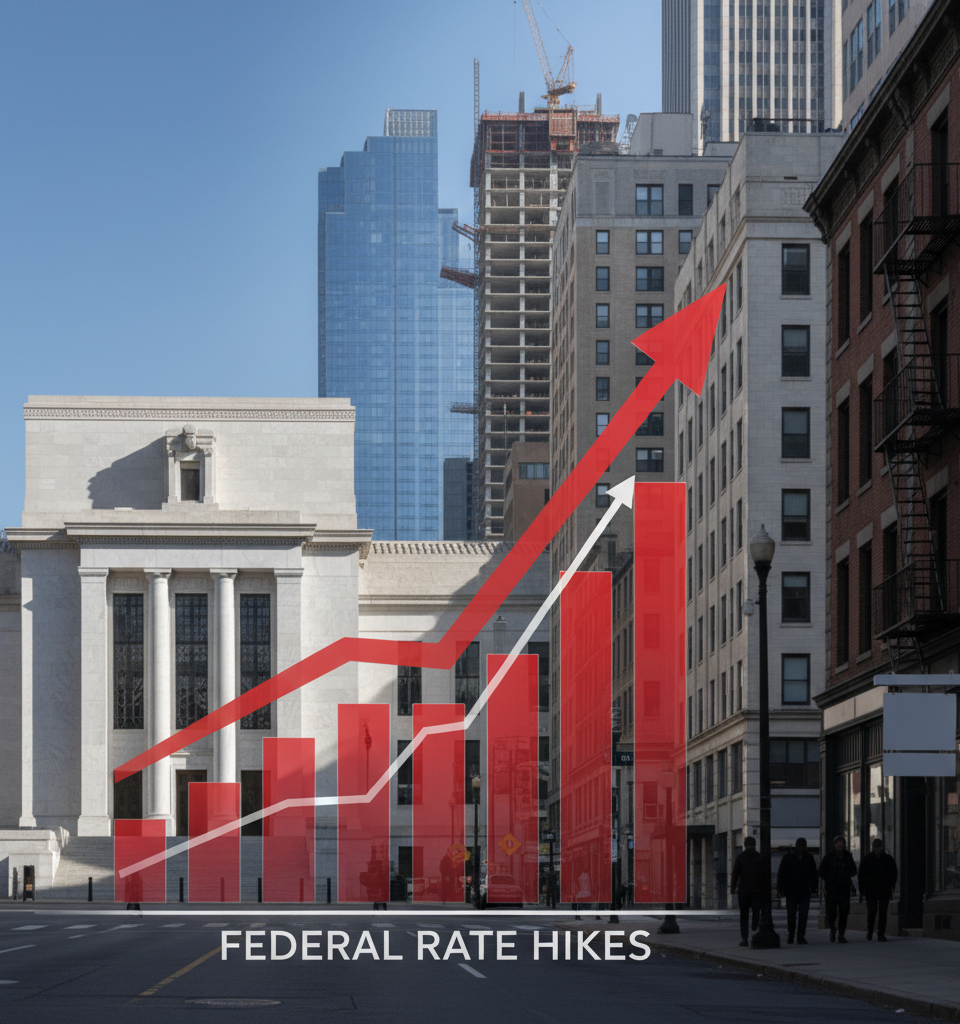
Property values across Malibu, Calabasas, and other Southern California luxury markets could face downward pressure from higher borrowing costs. This may lead high-net-worth buyers to reconsider financing large acquisitions. Sellers might also need to adjust pricing expectations for significant estates.
Recent discussions among financial analysts suggest that the Federal Reserve may not be done with interest rate hikes, despite earlier expectations. This potential for further increases comes as a surprise to many real estate investors and market observers. The situation evokes a sense of déjà vu, reminding some of past periods of monetary tightening. Such moves would directly affect the cost of capital for property acquisitions and refinancing activities through the end of the year.
Understanding the Federal Reserve's Stance
The Federal Reserve uses interest rate adjustments as a primary tool to manage inflation and stabilize the economy. When inflation remains stubbornly high, the Fed often raises its benchmark interest rate, the federal funds rate. This rate influences other interest rates throughout the economy, including those for mortgages and commercial real estate loans. Higher federal funds rates translate to increased borrowing costs for both individuals and businesses. The current contemplation of additional hikes indicates that policymakers believe more action may be necessary to achieve their economic objectives before the year concludes.
Implications for Real Estate Investors
For real estate investors, a renewed cycle of rate hikes carries several significant implications. First, the cost of financing new acquisitions would increase, potentially reducing the profitability of new investments. Investors relying on leverage—borrowed capital—would face higher monthly payments and greater overall expense. This could dampen demand for properties, particularly those with thinner margins or requiring substantial renovations. Secondly, existing investors nearing the end of their fixed-rate mortgage terms might face significantly higher refinancing costs, squeezing cash flow and potentially leading to divestment if properties become less viable. Thirdly, the perceived risk of real estate investment could rise, making other asset classes, like bonds, more attractive due to higher yields.
Market Dynamics and Valuation Pressures
The residential and commercial real estate markets could experience notable shifts. Higher mortgage rates typically lead to reduced affordability for homebuyers, which in turn can slow down transaction volumes and temper price appreciation. For commercial properties, increased financing costs might deter developers from starting new projects or expanding existing portfolios. Property valuations could come under pressure as capitalization rates—the ratio of net operating income to property asset value—adjust upwards to reflect higher interest rates. This means investors might demand higher returns to compensate for increased risk and cost of capital, potentially leading to lower property prices.
Strategic Adjustments for Investors
Real estate investors would need to carefully re-evaluate their strategies. This might involve focusing on properties that generate strong, consistent cash flow to withstand higher interest expenses. It could also mean seeking out opportunities where sellers are more motivated, potentially creating room for price negotiation. Some investors might pivot towards all-cash transactions or explore alternative financing structures to mitigate the impact of rising rates. Furthermore, a focus on properties in resilient submarkets or those with strong tenant demand could provide some insulation against market downturns. The emphasis would shift from purely speculative plays to investments grounded in strong fundamentals and sustainable income generation.
Outlook Towards Year-End
The remainder of the year is expected to be a period of careful observation and strategic adaptation for real estate investors. The Federal Reserve's decisions will be closely watched, as each announcement could trigger new adjustments in market sentiment and financial conditions. While the precise number and magnitude of potential rate hikes remain uncertain, the prevailing mood among market participants suggests a need for caution and flexibility. Investors are likely to prioritize capital preservation and seek opportunities that offer relative stability in an evolving economic landscape, rather than pursuing aggressive growth strategies. The current environment underscores the importance of robust financial planning and a clear understanding of macroeconomic influences on real estate performance.