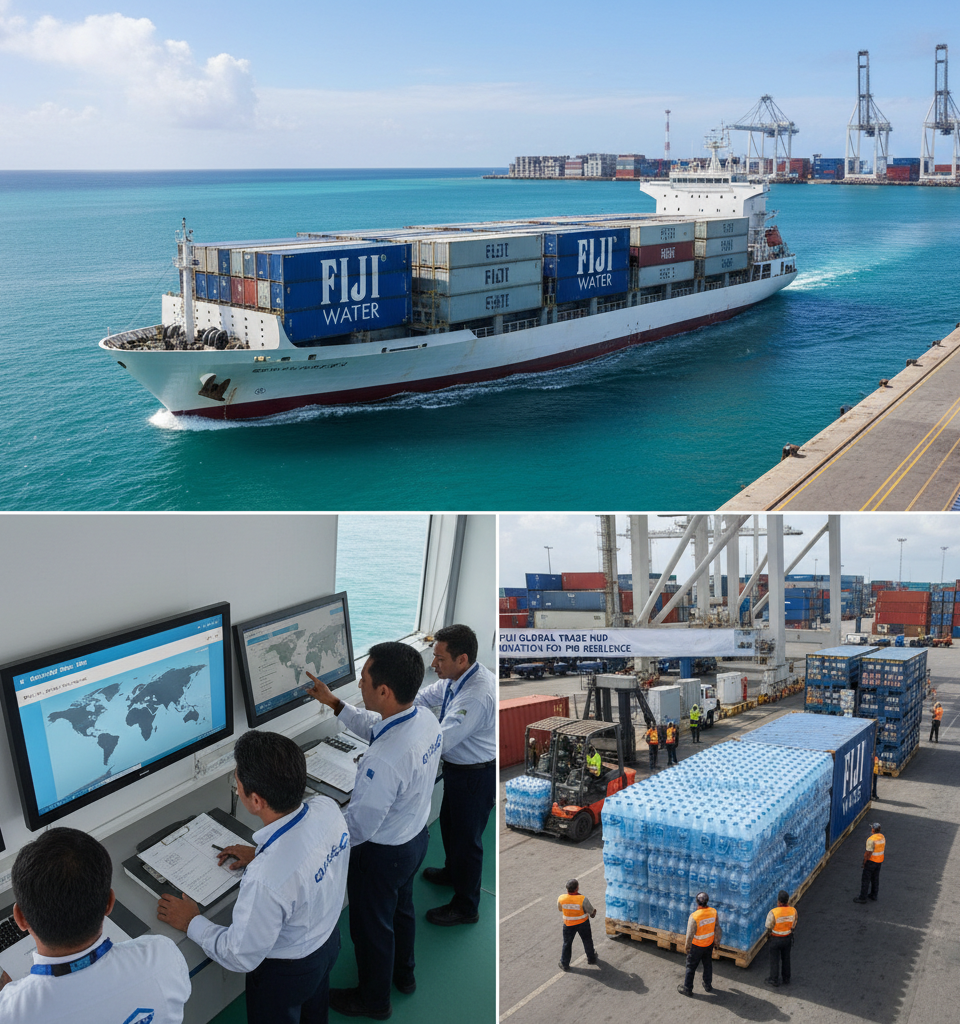
The unprecedented logistical challenges presented by the COVID-19 pandemic led Fiji Water to implement a highly unusual and instructive strategy: running its own dedicated shipping network. This operational shift was a direct response to severe disruptions in global ocean freight, which threatened the consistent supply of its bottled water products from Fiji to international markets. The endeavor, though temporary, provided a unique case study in supply chain agility and self-reliance, offering valuable lessons for a wide array of businesses dependent on international shipping.
The Pandemic's Grip on Global Logistics
The COVID-19 pandemic triggered an extraordinary cascade of disruptions across global supply chains. Port congestion, labor shortages, and an erratic surge in consumer demand created a perfect storm, pushing ocean freight rates to record highs and severely constricting available shipping capacity. For companies like Fiji Water, whose entire business model relies on efficiently transporting a bulky, relatively low-value product across vast oceans, these disruptions posed an existential threat. Standard shipping channels became unreliable, leading to prolonged transit times and escalating costs, making the prospect of maintaining a consistent market presence increasingly difficult.
Fiji Water's Autonomous Shipping Solution
Faced with these dire circumstances, Fiji Water made the strategic decision to charter its own vessels and manage a dedicated shipping route. This move effectively bypassed the overwhelmed common carrier networks, allowing the company to maintain control over its product's journey from bottling plants in Fiji to its major markets. While details regarding the specific number of vessels chartered, the routes operated, or the precise duration of this independent operation were not publicly disclosed, the core strategy involved securing private shipping capacity to ensure product flow. This required significant investment and an expansion of internal logistical capabilities, transforming the beverage company into a temporary shipping operator.
Implications for Shippers and Supply Chain Resilience
Fiji Water's bold step highlights a critical vulnerability in the globalized economy and offers a template for how companies might respond to future crises. The primary lesson for other shippers is the importance of supply chain resilience and the potential necessity of diversifying logistical strategies beyond traditional third-party reliance. While operating a dedicated shipping network is a capital-intensive undertaking, the alternative—stockouts and lost market share—can be even more detrimental. The experience underscores the value of flexibility, strategic partnerships, and, in extreme cases, vertical integration of logistics functions when external channels fail.
Industry Response and Future Outlook
Industry analysts have viewed Fiji Water's initiative as a testament to the extreme pressures faced by companies during the pandemic and a potential harbinger of more diversified shipping strategies among large enterprises. While not a sustainable long-term solution for most businesses due to cost and complexity, it demonstrates the lengths to which companies will go to protect their supply chains. The expectation is that, post-pandemic, more companies will scrutinize their logistical vulnerabilities, invest in predictive analytics, and potentially explore hybrid models that combine traditional shipping with contingency plans for dedicated transport during emergencies. The focus will be on building more robust and adaptable supply chains rather than solely relying on cost-efficiency.
Lessons Learned for the Global Economy
The temporary pivot by Fiji Water offers several actionable insights. Firstly, it reinforced the notion that visibility and control over the entire supply chain are paramount. Secondly, it demonstrated the agility required to adapt to rapidly changing global conditions. Finally, it underscored the need for companies to evaluate the true cost of shipping disruptions beyond freight rates—including lost sales, damaged brand reputation, and strained customer relationships. As global trade continues to evolve and face new potential challenges, the Fiji Water case serves as a stark reminder that innovation in logistics is not just about efficiency, but about ensuring fundamental operational continuity.