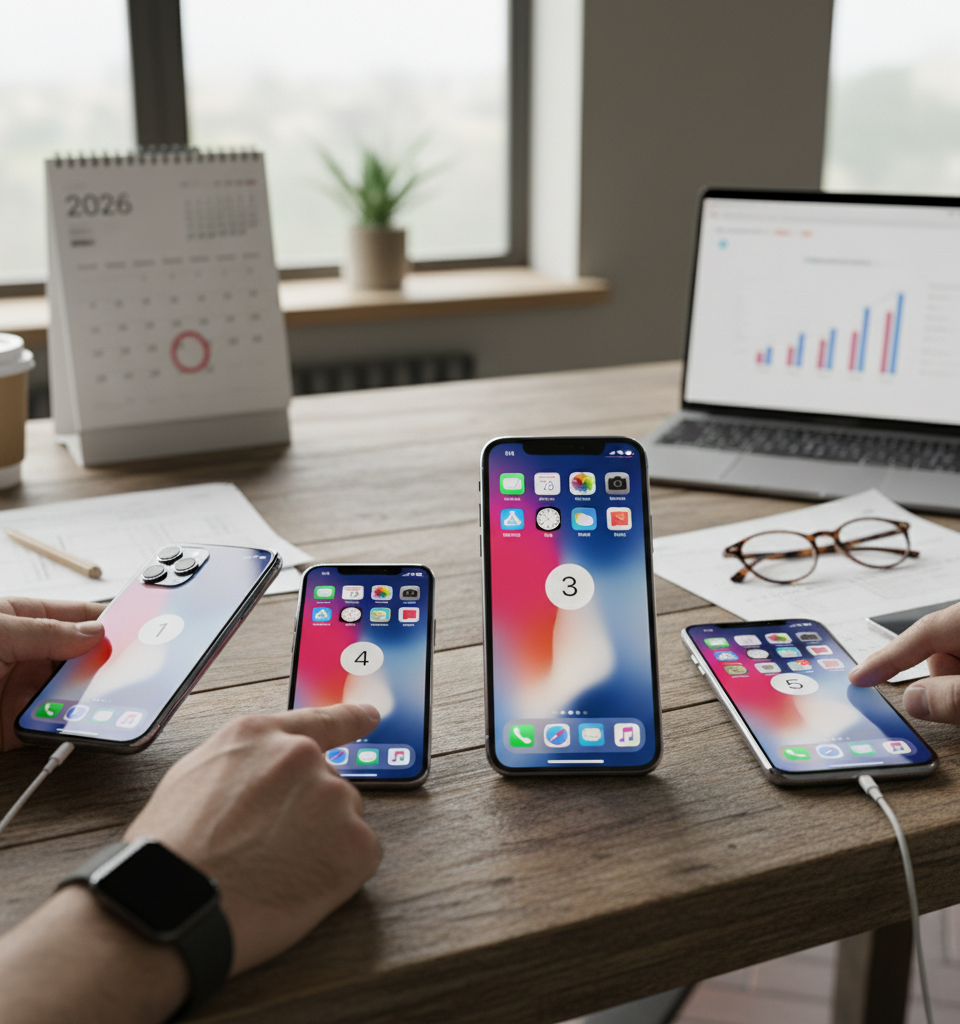
As of May 2026, the launch of the iPhone 17 has firmly established its position at the pinnacle of Apple's smartphone lineup. However, for a significant segment of consumers, the flagship device, and even Apple's more accessible iPhone 17e priced at $599, remain beyond their budgetary comfort zone. This landscape has propelled the refurbished iPhone market into a critical role, offering compelling alternatives that blend performance with affordability. As such, discerning buyers are actively seeking older models that, despite their age, continue to deliver a high-quality smartphone experience without demanding a premium price tag.
The enduring appeal of earlier iPhone models, particularly those available through certified refurbished channels, underscores a broader trend in consumer electronics. Many users prioritize established reliability and essential functionality over the very latest technological advancements. This market segment is keenly aware that while the iPhone 17 boasts cutting-edge features, several predecessors still excel in day-to-day tasks, offering excellent cameras, robust processors, and continued software support. The challenge, therefore, lies in identifying which of these older models truly stand the test of time and offer the best value proposition in the sub-$500 category.
The Resurgence of Value in Refurbished Tech
The economic realities of 2026, coupled with increased environmental consciousness, have fostered a robust demand for refurbished devices. Consumers are increasingly scrutinizing their technology investments, seeking longevity and performance without contributing to rapid obsolescence cycles. The refurbished iPhone market directly addresses this need, providing a channel for high-quality, pre-owned devices that typically undergo rigorous testing and often come with warranties, mitigating the risks associated with second-hand purchases. This trend is not merely about cost-saving but also reflects a more pragmatic approach to smartphone ownership.
Numerous online retailers and specialized vendors have capitalized on this demand, offering a wide array of refurbished iPhones. These platforms often provide detailed grading systems for device condition, transparent pricing, and robust customer support, further enhancing buyer confidence. The sheer volume and variety available mean that a well-informed consumer can often find a device that perfectly balances their performance requirements with their financial constraints, often exceeding expectations set by newer, entry-level Android devices in the same price range.
Key Considerations for
Sub-$500 iPhones
When evaluating refurbished iPhones under $500 in 2026, several critical factors come into play. Processor performance is paramount for ensuring smooth operation across applications and future software updates. Longevity of iOS support heavily influences a device's long-term viability, as Apple typically provides updates for several years post-launch. Battery health is another crucial metric, as a refurbished unit with a degraded battery can significantly detract from the user experience; reputable sellers often replace batteries or guarantee a minimum capacity. Camera capabilities, while not always matching the latest flagships, must still be sufficient for most users' photography needs.
Furthermore, the build quality and the availability of accessories and repairs for older models are practical considerations. iPhones are renowned for their durable construction, but wear and tear are inevitable. Access to affordable replacement parts and qualified repair technicians ensures that a refurbished purchase remains a sound investment over time. These factors collectively inform the selection of models that continue to perform well, providing a compelling argument against automatically opting for a brand-new, often more expensive, entry-level device.
The Market Landscape and Broader Implications
The strength of the refurbished market for iPhones places indirect pressure on Apple's pricing strategies for its mid-range devices, such as the iPhone 17e. While the 17e offers a new device experience, the superior specifications of slightly older, refurbished premium models at a lower price point often present a more attractive value proposition. This dynamic contributes to a more competitive smartphone market overall, forcing manufacturers to innovate not just at the high end but also in delivering compelling value across all price segments.
This sustained demand for older models has broader implications beyond just consumer choice. It supports a more circular economy for electronics, reducing electronic waste and maximizing the lifespan of high-quality components. Reputable refurbishment programs contribute to sustainable practices, aligning with increasing global environmental concerns. As technology cycles shorten, the ability to extend the life of devices becomes an increasingly important aspect of ethical manufacturing and consumption.
Looking ahead, the refurbished iPhone market is expected to continue its robust growth. As Apple consistently introduces new flagships, the cascade effect will bring an even wider array of impressive, slightly older models into the sub-$500 category. This trend is likely to solidify the refurbished sector's role as a vital pathway for consumers to access premium technology at an affordable price, ensuring that quality and performance remain within reach for budgets that might otherwise be stretched too thin by brand-new offerings. The emphasis for consumers will continue to be on informed decision-making, leveraging trusted channels to secure the best combination of value and reliability.