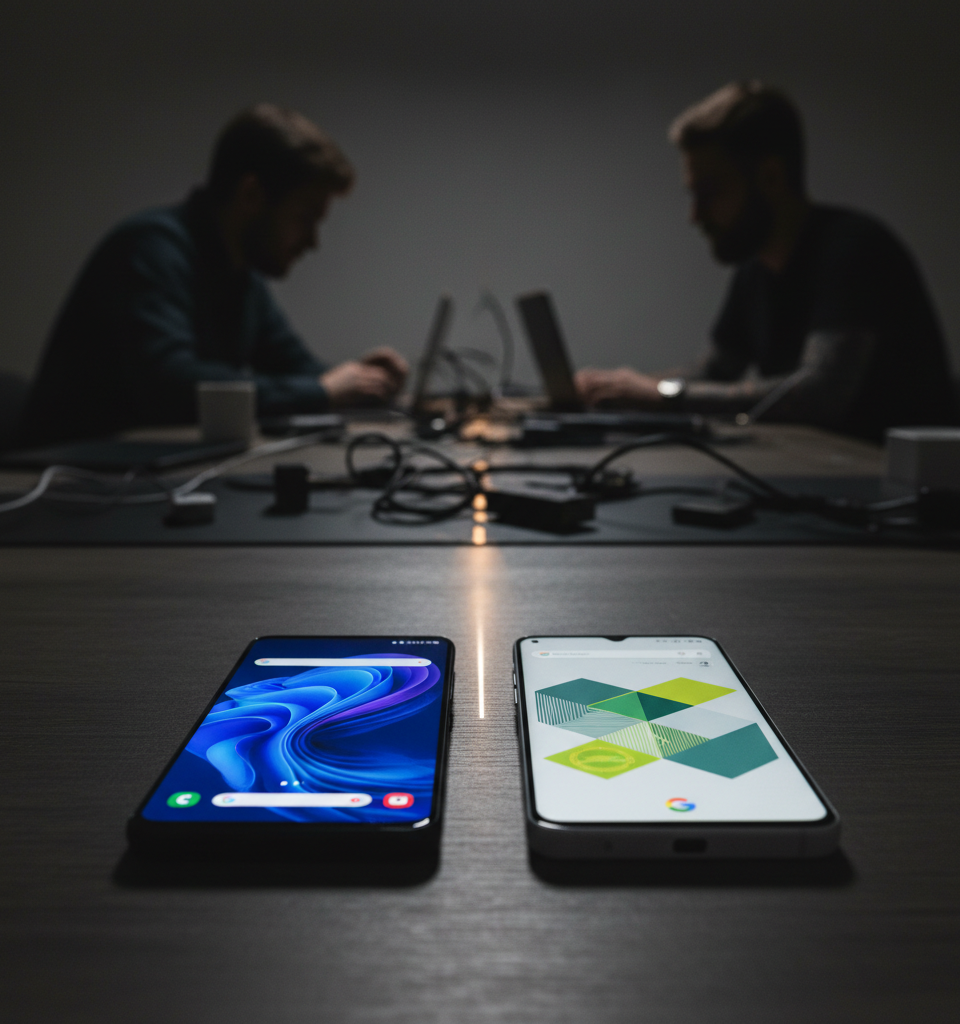
Samsung Galaxy S26 vs. Google Pixel 10: Unpacking the Android Flagship Showdown
As the smartphone industry gears up for its next-generation releases, eyes are firmly fixed on the impending clash between Samsung's anticipated Galaxy S26 and Google's forthcoming Pixel 10. These models, representing the entry points to each brand's flagship offerings, are shaping up to be more than just incremental updates. With an expected $100 price differential reportedly separating them, consumers will face a critical decision rooted in differing philosophies towards hardware innovation, software integration, and artificial intelligence capabilities. This report zeroes in on the nuances that define each device, examining how their respective strategies aim to capture market share and influence the broader Android ecosystem.
The Evolving Smartphone Landscape
The ongoing evolution of smartphones transcends mere specification bumps; it's a battle for ecosystem dominance and user loyalty. For years, Samsung has led with a strategy emphasizing premium hardware, vast customization options, and a broad portfolio. Google, conversely, has carved out a niche with its 'pure Android' experience, cutting-edge computational photography, and increasingly, its self-developed Tensor processors at the heart of its AI-driven feature set. The historical context shows Samsung leveraging its manufacturing scale and supply chain prowess, while Google focuses on software-hardware co-optimization to deliver a distinct user experience. This current iteration of flagships arrives amidst an industry grappling with consumer demand shifts, supply chain vulnerabilities, and the relentless pursuit of differentiate-able AI features.
Key Differentiators and Anticipated Specifications
While official specifications remain under wraps, credible industry whispers suggest key areas of divergence. The Galaxy S26 is expected to continue Samsung's tradition of offering a versatile camera system, potentially incorporating further advancements in optical zoom and low-light performance. Its display technology, likely a refined Dynamic AMOLED panel, will boast industry-leading brightness and refresh rates. Performance will likely be driven by either the latest Qualcomm Snapdragon 8 Gen 4 or Samsung's Exynos 2500, depending on the region. Storage and RAM options are expected to be generous, reflecting Samsung's positioning as a premium all-rounder. The Pixel 10, conversely, will undoubtedly lean heavily on the next-generation Tensor G4 chip, specifically designed to enhance on-device AI for features like real-time language translation, advanced photo editing, and personalized user experiences. Its camera approach will likely prioritize computational photography over raw sensor size, maintaining its reputation for 'point-and-shoot' excellence. The Pixel's strength will continue to lie in its tight integration with Google's software services and timely Android updates, offering a streamlined and secure user experience. The rumored $100 price difference (e.g., Pixel 10 at $699 vs. S26 at $799 for base models) will play a significant role in consumer perception and purchasing decisions.
Industry Impact and Market Positioning
The simultaneous launch of these flagships will inevitably intensify competition in the premium Android segment. Samsung's broad appeal, supported by extensive marketing and carrier partnerships, allows it to capture a diverse customer base. Its strategy is volume-driven, aiming for dominant market share. Google, with its Pixel line, primarily targets technology enthusiasts and users prioritizing a clean Android experience paired with innovative AI. The Pixel's impact is often seen in pushing the boundaries of what's possible with software and machine learning on mobile devices, often influencing wider industry trends. This year’s models are crucial as both companies seek to solidify their positions against intensifying pressure from Chinese manufacturers and the ever-present Apple iPhone ecosystem which dominates the higher end of the market. Analysts will closely watch sales figures to discern shifts in consumer preferences for AI-centric features versus traditional hardware prowess.
Expert Analysis: AI as the Battleground
Technology analysts are increasingly identifying AI as the primary battleground. Dr. Evelyn Reed, a leading mobile technology expert at TechSight Solutions, observes, "While Samsung will undoubtedly integrate robust AI features into the S26, Google's Pixel 10 will likely showcase AI as its core differentiator, deeply embedding new capabilities across the user interface and core applications." She adds, "The efficacy of the Tensor G4 will be paramount in determining whether Google can truly leapfrog the competition in intelligent, on-device processing." Others note that Samsung's advantage lies in its device ecosystem, offering seamless integration with smart home devices, watches, and tablets, presenting a more holistic 'connected' experience that AI will empower. The debate centers on whether consumers prioritize raw computational power and traditional photographic excellence (Samsung) or innovative AI-driven features and a refined software experience (Google).
What Lies Ahead
The market reception to both the Galaxy S26 and Pixel 10 will set the tone for Android's premium segment in the coming year. Beyond initial sales, long-term success will hinge on sustained software support, future AI advancements, and developer integration. Samsung is expected to continue its aggressive research into foldable technology, which could eventually trickle down into its more affordable flagship non-foldable options. Google, conversely, will likely double down on its silicon strategy, refining the Tensor chip while exploring new avenues for ambient computing and enhanced privacy features. The $100 price difference, while seemingly small, could sway a significant number of consumers, especially in a market where value for money remains a crucial factor. The ultimate winner will not only be judged by specifications but by which device most effectively integrates cutting-edge technology into a compelling, user-friendly experience that resonates with a demanding global audience.