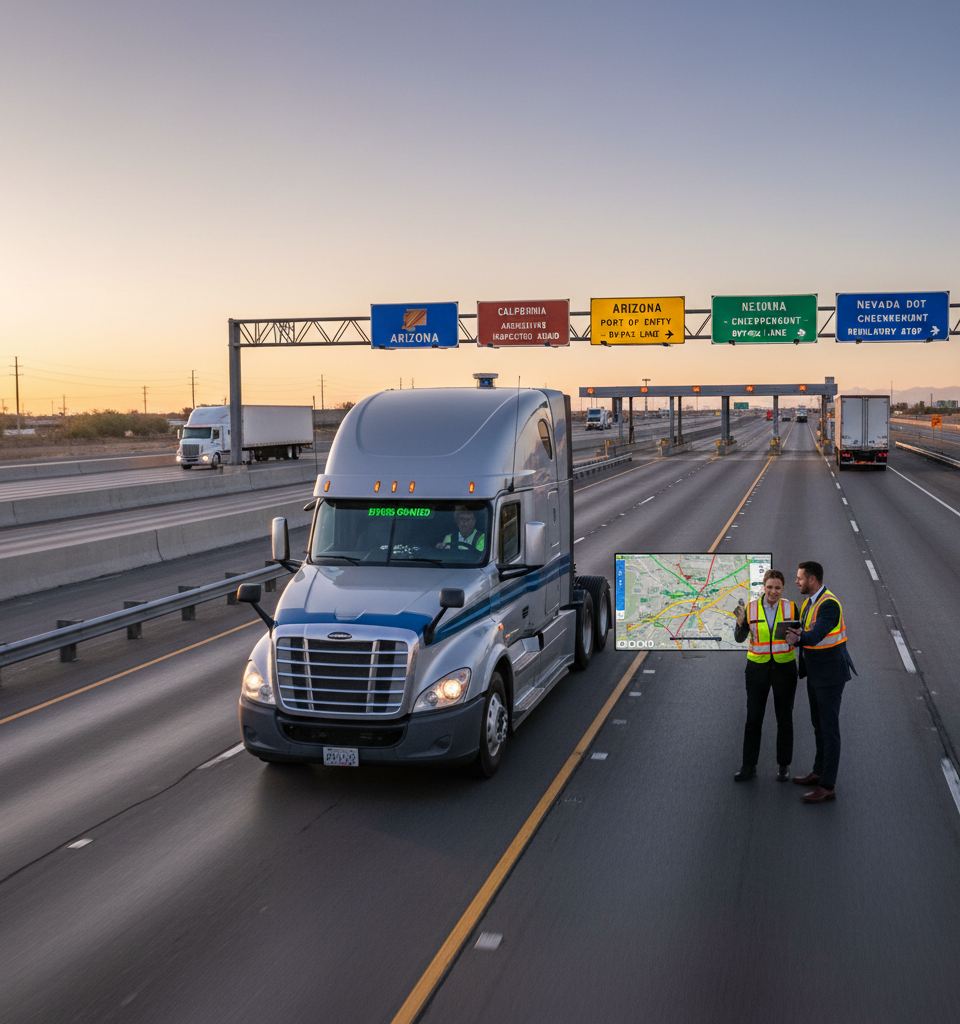
The commercial trucking industry is on the cusp of a significant strategic shift, as fleets explore and implement network-wide bypass strategies designed to navigate the intricate and often inconsistent regulatory environments across various states. No longer content with merely optimizing routes around easily identifiable bottlenecks, the focus is now squarely on developing holistic approaches that account for the diverse state rules, varied enforcement patterns, and dissimilar weigh station operations encountered throughout the entire transportation network.
The Challenge of Disparate Regulations
The impetus for this sophisticated planning stems directly from the current fragmented regulatory landscape. Commercial fleets operate within a complex tapestry of state-specific mandates, each jurisdiction often presenting its own set of rules, inspection priorities, and weigh station configurations. This inconsistency means that what constitutes an efficient bypass strategy in one state may be entirely ineffective or even counterproductive in another. The lack of uniformity creates operational hurdles, leading to unpredictable transit times and increased fuel consumption due to unscheduled stops for inspections or weigh-ins.
Historically, fleet operators might have focused on optimizing routes around individual problem areas or specific weigh stations known for frequent stops or lengthy delays. This localized approach, while offering some immediate benefits, ultimately failed to address the systemic inefficiencies arising from the broader regulatory patchwork. As technology advances and the operational scale of many fleets grows, the limitations of such piecemeal solutions have become more apparent, prompting a re-evaluation of how bypass decisions are made and executed.
Evolution of Bypass Strategy
The emerging trend signifies a maturation of weigh station bypass tactics. Rather than merely identifying “easy parts” of a route to circumnavigate, modern strategy involves a data-driven, comprehensive analysis of an entire operational network. This encompasses understanding the enforcement tendencies of different states, predicting weigh station activity based on historical data and real-time inputs, and integrating this intelligence into dynamic routing decisions. The objective is to achieve a consistent flow of goods, minimize unscheduled downtime, and enhance overall supply chain reliability.
This shift is also being driven by technological advancements, including telematics, predictive analytics, and real-time communication systems. These tools provide fleets with the ability to gather and analyze vast amounts of data on weigh station operations, traffic patterns, and regulatory changes. By leveraging these insights, dispatchers and fleet managers can make more informed decisions, dynamically adjusting routes to avoid potential delays across their entire network, not just isolated segments.
Industry Implications and Future Outlook
The widespread adoption of network-wide bypass strategies could have profound implications for the trucking industry. For fleets, it promises enhanced operational efficiency, reduced fuel costs, improved delivery times, and better driver retention through more consistent schedules. For regulators, it may necessitate a re-evaluation of weigh station operational procedures and potentially encourage greater interstate harmonization of rules to maintain safety and compliance standards without unduly burdening commerce.
Looking ahead, this strategic evolution is expected to continue as fleets increasingly recognize the value of fully integrated, intelligent routing solutions. The focus will likely intensify on predictive modeling, incorporating variables beyond just weigh station locations to include factors such as weather patterns, road construction, and even potential vehicle mechanical issues. The aim is to create a seamless, end-to-end operational flow that actively anticipates and mitigates disruptions, marking a significant step towards a more optimized and resilient commercial transportation ecosystem.