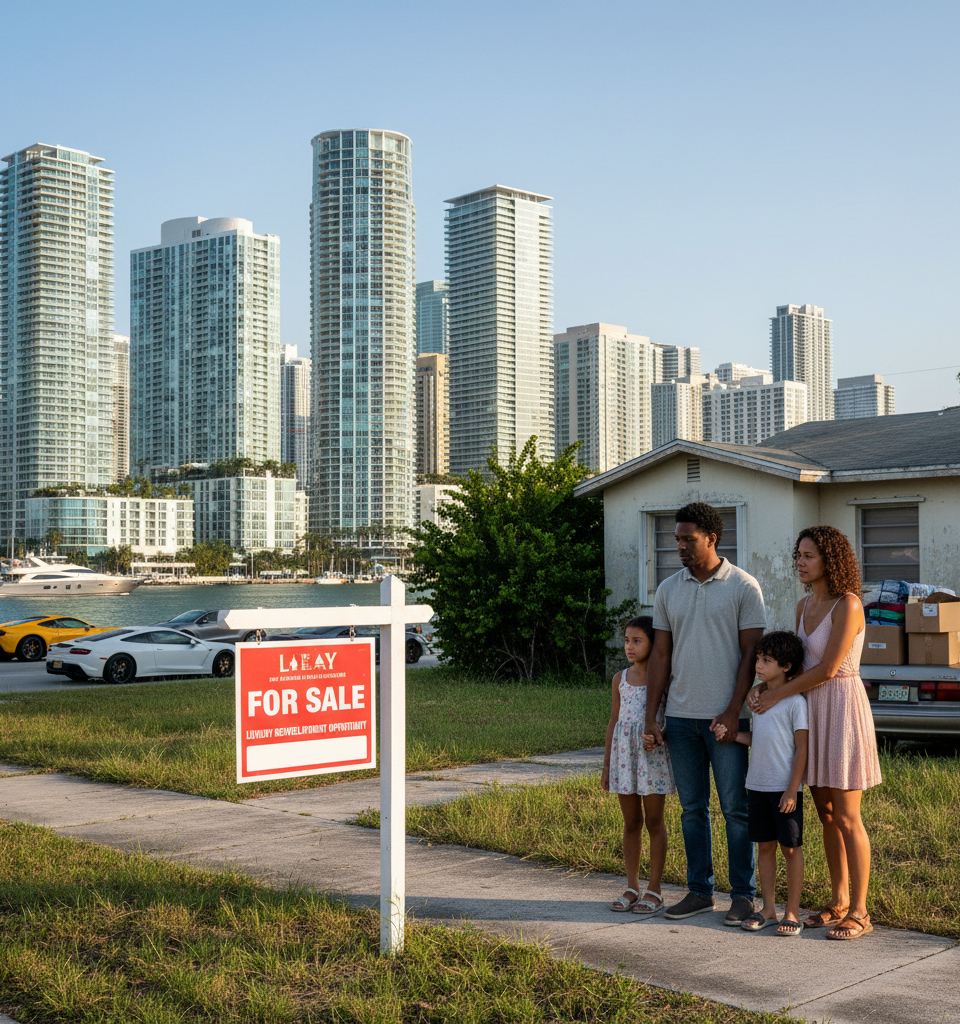
Florida, long heralded as a beacon of opportunity and an attractive retirement destination, is grappling with the unintended consequences of its recent popularity. A significant influx of affluent residents, particularly in the wake of the COVID-19 pandemic, is exerting intense pressure on the state's housing market, making homeownership and even affordable rentals increasingly out of reach for its traditional middle class. This demographic transformation is reshaping Florida's economic landscape, creating a widening chasm between the state's burgeoning wealthy population and its struggling working and middle-income families.
The Roots of the Crisis
The current housing predicament is not merely a post-pandemic phenomenon but rather an acceleration of existing trends. For years, Florida has attracted new residents with its favorable tax policies, warm climate, and perceived quality of life. However, the remote work revolution and the search for lower-cost-of-living alternatives during the pandemic amplified this migration, drawing in a disproportionate number of high-income earners from more expensive states like New York, California, and Illinois. These newcomers arrive with significant capital, enabling them to outbid local purchasers and renters, thereby driving up property values and rental rates at an unsustainable pace. Data from the Florida Realtors association shows median home prices increasing by over 50% in many key markets since early 2020, far outpacing wage growth for the average Floridian.
Escalating Housing Costs and Economic Disparity
The impact on Florida's housing market has been dramatic. In cities like Miami, Naples, and Sarasota, luxury condominiums and single-family homes are selling well above asking price, often with multiple cash offers. This bidding frenzy has pushed the average home price in Florida to $410,000, significantly higher than the national average, according to recent reports from the National Association of Realtors. Renters are also feeling the pinch, with average rents in major metropolitan areas climbing by 25-30% year-over-year in some instances. This renders essential workers, teachers, first responders, and service industry employees — the backbone of Florida's economy — unable to afford to live in the communities they serve. Small businesses are also struggling to attract and retain staff who can no longer afford local housing.
Broad Economic and Social Implications
The sustained pressure on the housing market has broader implications for Florida's economic diversity and social cohesion. A dwindling middle class can lead to an over-reliance on high-income industries and a shrinking demand for local services that cater to average earners. Businesses, from retail to healthcare, may face labor shortages as employees are forced to commute long distances or leave the state altogether. There's also a risk of increased social stratification, where communities become increasingly segregated by income level, potentially leading to reduced civic engagement and a loss of community identity. The long-standing allure of Florida as an affordable paradise for many is rapidly eroding.
Expert Perspectives on Policy Challenges Economists and urban planners are sounding alarms over the long-term sustainability of this trend. Dr. Jessica Smith, a housing economist at the **University of Central
Florida**, notes, "While the influx of wealth boosts tax revenues and certain sectors of the economy, it simultaneously erodes the fundamental affordability that has defined Florida for decades. Without targeted policies, we risk hollowing out our middle class, fundamentally altering the state's economic and social character." Experts advocate for a multi-pronged approach, including increased investment in affordable housing initiatives, stricter regulations on short-term rentals, and exploring creative zoning solutions to encourage denser, more diverse housing options.
Future Outlook and Potential Interventions
The trajectory of Florida's housing market and its impact on the middle class remains a critical concern for policymakers. State and local governments are beginning to explore various interventions, from proposing rent stabilization measures to allocating funds for housing development aimed at lower and middle-income residents. However, the effectiveness of these measures in a market driven by such intense demand and significant capital remains to be seen. The political will to implement potentially unpopular but necessary changes, such as stricter development controls or higher impact fees, will be crucial. Observers anticipate continued upward pressure on housing costs in the near term, suggesting that the struggle for Florida's middle class is far from over and demands sustained attention and innovative solutions from all stakeholders.