The imminent threat to Florida's coral reefs represents a critical juncture for the global marine conservation industry, highlighting both the economic vulnerabilities tied to ecosystem degradation and the potential for innovative scientific solutions to mitigate catastrophic losses. Business leaders with interests in tourism, aquaculture, and coastal protection should closely monitor these developments, as the long-term viability of significant ocean-dependent economies hangs in the balance, offering a case study in climate adaptation financing and resilience strategies.
Scientists in Florida are intensifying their efforts to safeguard the state's iconic coral reefs as the anticipated warming effects of El Niño conditions loom. This proactive push comes three years after a devastating marine heatwave inflicted significant damage on these delicate ecosystems, setting a precedent for the current alarm. Researchers involved in the conservation initiatives express a degree of enhanced preparedness compared to previous challenges, signaling a refined strategy to combat the impending thermal stress.
The Lingering Impact of Past Heatwaves and Current Forecasts
Florida's coral reefs, a vital component of marine biodiversity and a significant economic driver for the state, remain highly vulnerable. The 2023 heatwave served as a stark reminder of their fragility, causing widespread bleaching and mortality across vast swathes of the reef system. As El Niño conditions strengthen, ocean temperatures in the region are expected to rise, posing a direct and severe threat to the recovery efforts and the health of the remaining coral colonies. The current forecast suggests another period of elevated marine temperatures, potentially pushing corals beyond their thermal tolerance limits.
Enhanced Preparedness and Mitigation Strategies
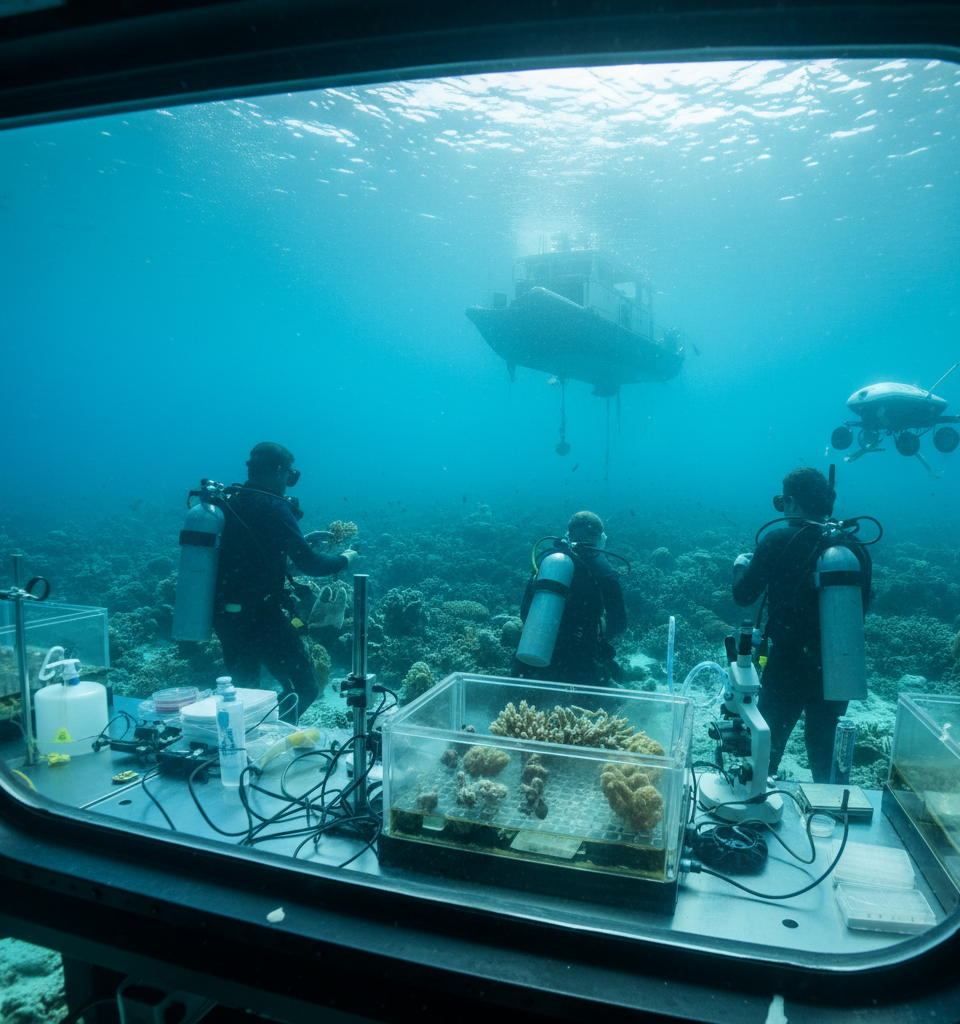
In response to the lessons learned from the 2023 event, scientific teams and conservation organizations have reportedly refined their strategies. While specific details of these improved implementations are not outlined in the initial reports, the indication is that a more coordinated and robust defense mechanism is being activated. These efforts likely involve a combination of monitoring, research into resilient coral species, and potentially active intervention techniques, such as shading or relocating corals to cooler waters, though the scale and feasibility of such interventions across the entire reef system remain a considerable challenge.
Broader Implications for Ocean Ecosystems and Coastal Economies
The fate of Florida's coral reefs under renewed thermal stress has implications extending far beyond the state's immediate coastline. Healthy coral reefs provide critical habitat for numerous marine species, act as natural barriers against storm surges, and underpin significant portions of the tourism and fishing industries. The potential degradation of these reefs could lead to cascading ecological effects, including declines in fish populations, increased coastal erosion, and substantial economic losses for communities reliant on healthy marine environments. The ongoing situation in Florida serves as a bellwether for other coral reef systems globally, many of which are similarly threatened by climate change-induced ocean warming.
A Global Urgency in Coral Conservation
Experts worldwide are closely watching Florida's proactive measures, as the outcomes could offer valuable insights for coral conservation efforts globally. The repeated assault on coral reefs underscores the urgent need for both local mitigation and global action on climate change. The scientific community's improved preparedness, while offering a glimmer of hope, also highlights the persistent and escalating nature of the threats facing these crucial marine ecosystems. The scale of the challenge necessitates sustained funding, international collaboration, and rapid advancements in conservation science.
What Lies Ahead
The coming months will be critical for Florida's coral reefs. Scientists will be meticulously monitoring ocean temperatures and coral health, ready to deploy their prepared strategies as needed. The effectiveness of these enhanced measures against the anticipated El Niño-driven warming will be a key test case for future marine heatwave responses. The long-term prognosis for these vulnerable ecosystems will heavily depend on both immediate interventions and broader climate stabilization efforts, with the current focus firmly on navigating the challenges of the impending warming event.