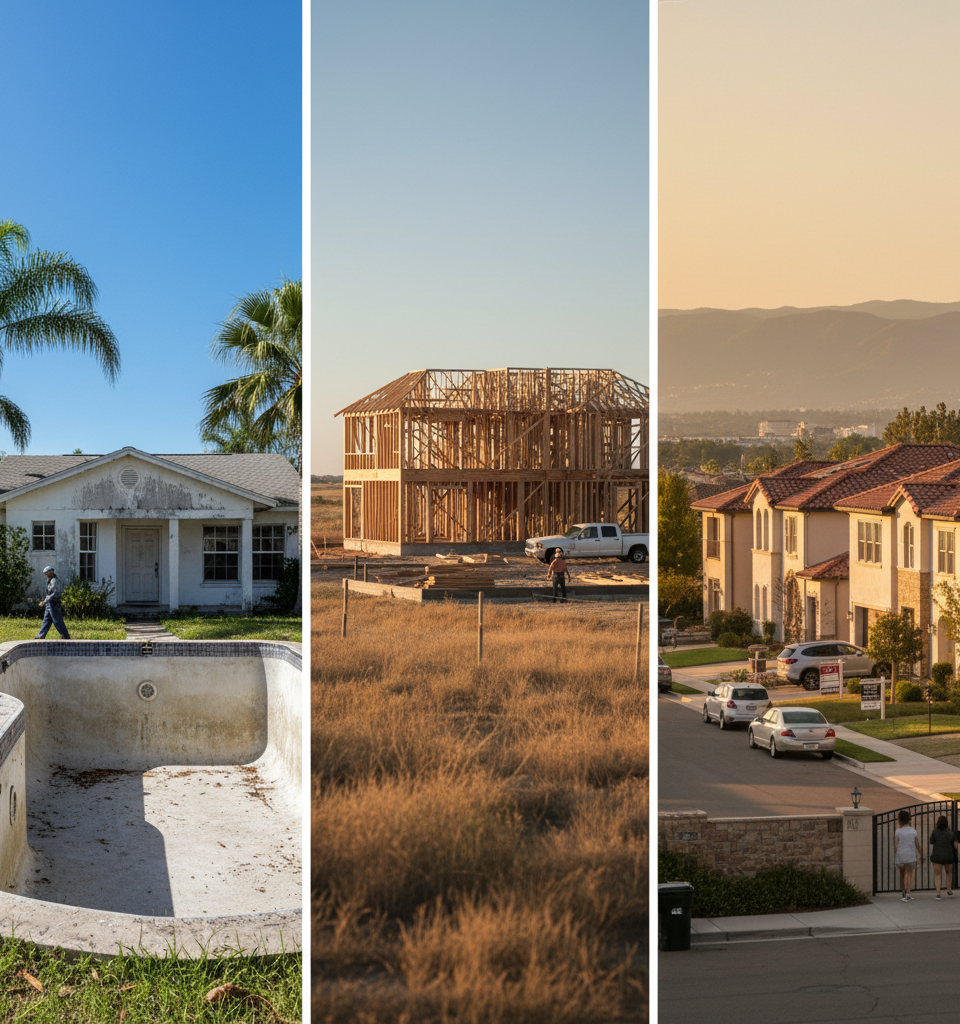
Rising foreclosure activity in key states could signal shifting market dynamics, potentially creating distressed inventory opportunities for high-end buyers and presenting challenges for sellers in affluent Southern California enclaves.
Foreclosure activity across the United States saw a significant increase in August, as 25,894 properties entered the foreclosure process. This marks a continuation of a trend observed in recent months, indicating a persistent rise in defaults as economic conditions evolve. The data highlights a broadening impact of financial distress on homeowners nationwide.
State-Level Impact
Florida, Texas, and California reported the highest number of new foreclosure starts last month, leading the nation in this metric. These states, known for their large populations and dynamic housing markets, are experiencing a concentrated wave of properties entering the foreclosure pipeline. The volume of new starts in these three states significantly contributes to the national total, reflecting specific regional pressures.
Key Details of August's Activity
The 25,894 foreclosure starts recorded in August represent properties where lenders initiated the formal process to repossess homes due to missed mortgage payments. This initial stage of foreclosure is often triggered after a period of delinquency, typically three to six months. The consistent growth in these figures suggests that more homeowners are struggling to keep up with their mortgage obligations.
Broader Economic Context
The continued rise in foreclosure starts points to broader economic factors at play. These may include the lingering effects of inflation, higher interest rates impacting adjustable-rate mortgages or refinancing options, and other personal financial pressures. While not reaching the peak levels seen during the 2008 financial crisis, the current trajectory merits close observation by industry analysts and policymakers. This trend impacts housing inventory, property values, and the stability of local real estate markets, particularly in high-volume states.
Market Impact
An increase in foreclosure starts typically leads to a greater supply of distressed properties on the market over time. This influx can exert downward pressure on home prices, especially in localized areas with higher concentrations of foreclosures. For the real estate industry, this means an adjustment in sales strategies, potential shifts in appraisal values, and an increased workload for loan servicers and asset management companies. Investors may also find new opportunities in acquiring properties at potentially lower prices.
Looking Ahead
Observers will be closely monitoring upcoming reports to determine if the acceleration in foreclosure starts persists or moderates. The trajectory of mortgage rates, unemployment figures, and broader economic stability will be crucial in shaping future foreclosure trends. How state and federal policies adapt to these developments will also play a significant role in mitigating potential widespread impacts on homeowners and the housing market.