The Strategic Imperative: Why Maritime Focus Matters
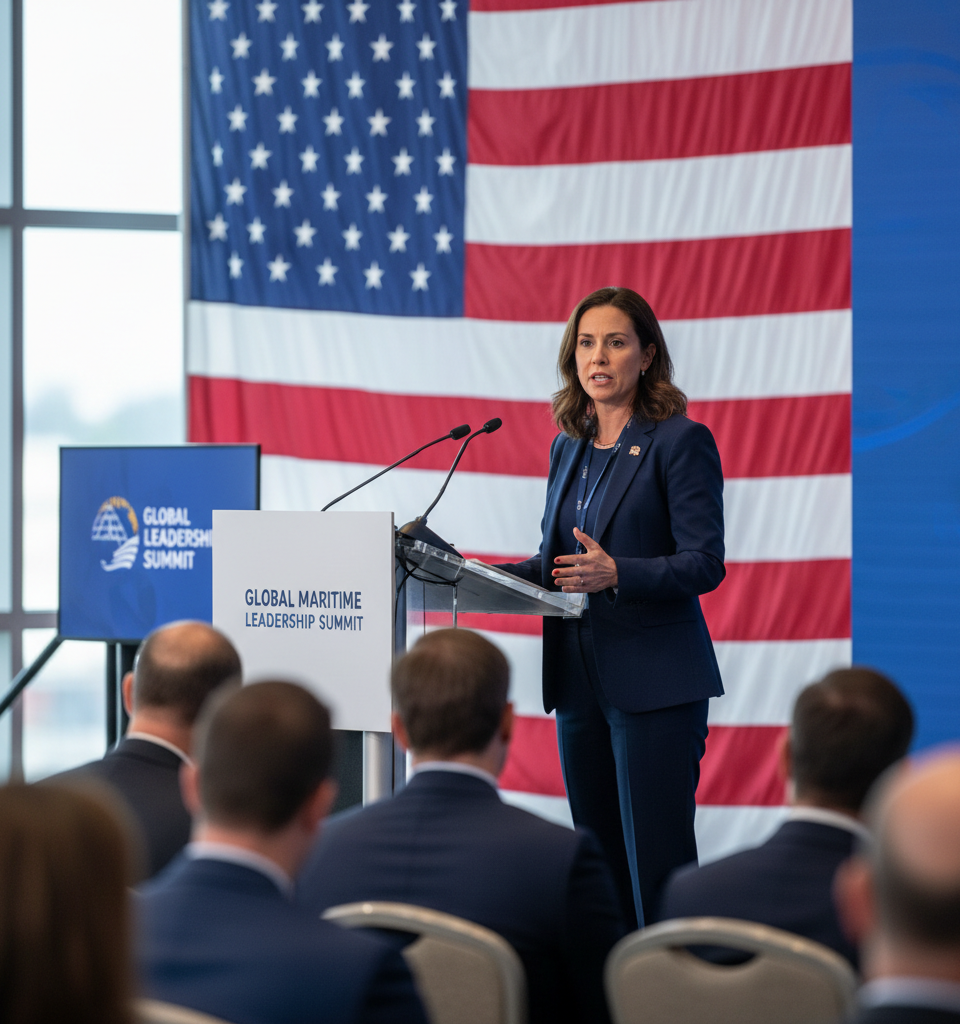
DiBella's forceful remarks highlight a growing concern among maritime experts and national security strategists regarding the long-term implications of declining U.S. engagement in global shipping. The maritime industry isn't merely about commerce; it's a critical component of national security, economic stability, and supply chain resilience. A diminished leadership role can lead to vulnerabilities in trade routes, increased dependence on foreign-flagged vessels, and a weakening of geopolitical influence. Observers point to the recent Suez Canal blockage and pandemic-induced supply chain disruptions as stark reminders of the fragility inherent in a globally interconnected, yet unevenly controlled, maritime ecosystem.
A New Era for the FMC: Global Ambitions and Customer-Centricity Under
DiBella's vision, the FMC is no longer content to operate as a passive regulatory body. The new strategic direction is characterized by an outward-looking perspective and a commitment to address the contemporary challenges faced by shippers and carriers alike. DiBella emphasized initiatives aimed at improving efficiency, transparency, and fairness within the shipping industry, often referencing the need to streamline processes that have historically bogged down commerce. This includes proactive engagement with international partners and a renewed focus on data-driven decision-making to better serve what she termed the 'customer' — the myriad businesses and consumers reliant on reliable ocean shipping.
Industry Repercussions and Stakeholder Engagement
The implications of the FMC's revitalized agenda resonate across the entire maritime supply chain. Carriers may face increased scrutiny regarding detention and demurrage practices, while shippers could see new avenues for recourse against unfair business practices. Port authorities, logistics providers, and technology innovators are all watching closely as the commission redefines its scope. DiBella's advocacy for greater 'transformational change' suggests an openness to leveraging technology and disruptive solutions to modernize an often archaic industry, potentially fostering new partnerships and investment opportunities within the sector.
Expert Voices Weigh In: A Necessary Course Correction
Maritime economists and trade policy analysts largely commend DiBella's forthright assessment. Dr. Sarah Chen, a leading supply chain expert at the Maritime Institute, noted, "Commissioner DiBella's comments are a much-needed wake-up call. For too long, the U.S. has ceded ground in maritime policy, impacting everything from our defense capabilities to the price of consumer goods. This renewed focus on global reach and customer service is not just administrative; it's an economic and strategic imperative." Others suggest that the challenge lies in translating this vision into tangible regulatory actions and ensuring long-term political will to support complex, multinational initiatives.
The Road Ahead: Policy Changes and Global Partnerships
The path forward for the FMC under this new leadership will likely involve a series of policy adjustments, enhanced enforcement mechanisms, and a concerted diplomatic push. Expect to see discussions around reforming the Shipping Act, strengthening data collection capabilities to identify market inefficiencies, and fostering deeper collaboration with international maritime organizations. DiBella's emphasis on 'global reach' suggests a more active role in shaping international shipping norms and regulations, potentially leading to bilateral agreements and multilateral initiatives aimed at standardizing practices and promoting fair competition across oceans. The ultimate success will hinge on the FMC's ability to navigate complex political landscapes and galvanize diverse stakeholders towards a shared vision of a robust American maritime future.