Context and Regulatory Scrutiny
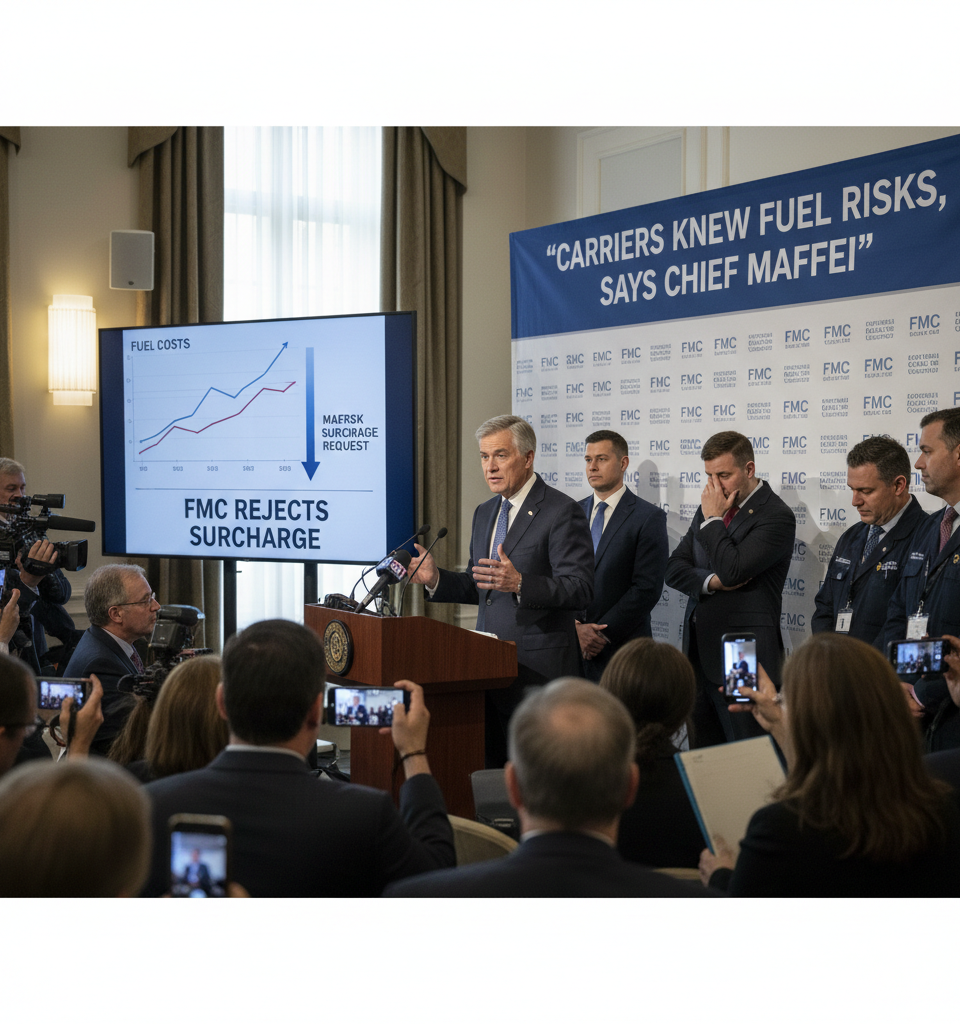
This marks the FMC's consistent stance on the matter, following an initial rejection of Maersk's request [mention previous rejection date if possible]. The regulatory body's unwavering position comes amid heightened scrutiny of ocean carrier practices, especially following record profits posted during the pandemic-induced supply chain disruptions. Shippers, already grappling with inflated freight rates and port congestion, have strongly opposed rapid-fire surcharge implementations, viewing them as an opportunistic response rather than a legitimate financial imperative. The FMC's actions signal a clear intent to protect shippers from what it perceives as potentially arbitrary or poorly justified cost escalations.
Chairman Maffei's Direct Statement Chairman
Maffei’s pronouncements have been particularly pointed. “Ocean carriers knew that conflicts… could lead to an increase in geopolitical risk, which generally causes oil prices to go up,” Maffei asserted during a recent public statement. He further emphasized that such risks are not unforeseen 'black swan' events but rather inherent uncertainties within the global energy market that carriers should factor into their business models and contracting. The FMC's steadfastness is aimed at upholding the integrity of service contracts and preventing what could be perceived as unilateral amendments to shipping agreements under the guise of an 'emergency'.
Industry Impact and Financial Implications The
FMC's ruling has significant implications for the global shipping industry, which relies heavily on bunker fuel. While carriers argue that rapid fuel price hikes erode profit margins, the regulatory body's decision forces them to absorb initial increases or implement surcharges through the established 30-day notice period. This delay provides shippers with time to adjust budgets, negotiate, or seek alternative arrangements. For carriers like Maersk, who had hoped to immediately offset rising costs exacerbated by the [mention specific conflict, e.g., 'Russia-Ukraine conflict'], this means a potential lag in recouping expenses, impacting their short-term financial liquidity and profitability outlooks, particularly in an environment where freight rates are beginning to normalize from pandemic peaks.
Expert Analysis on Regulatory Oversight
Maritime industry analysts widely view the FMC's decision as a reinforcement of its role as a vigilant watchdog. Dr. Eleanor Vance, a leading maritime economist, commented, “The FMC is clearly setting a precedent that geopolitical volatility, while impactful, does not automatically constitute grounds for circumventing established regulatory procedures. This protects shippers from sudden cost shocks and pushes carriers towards more robust risk management strategies.” Experts suggest that this ruling could encourage carriers to embed longer-term fuel price hedging strategies or incorporate more flexible, albeit transparent, fuel adjustment clauses in future contracts, rather than relying on rapid emergency surcharges.
Pathways Forward for Carriers and Shippers
Moving forward, carriers will need to adhere strictly to the 30-day notice period for any new surcharges, providing shippers with ample time for adjustment. This could lead to more proactive communication between carriers and their clients regarding potential cost changes. For shippers, the ruling offers a degree of financial predictability and protection against unexpected fees. The FMC is expected to continue monitoring market dynamics closely, ensuring that any future surcharge requests from carriers are thoroughly justified and do not exploit market conditions at the expense of U.S. importers and exporters. This regulatory environment will likely foster increased transparency and accountability within the ocean freight sector, pushing carriers to demonstrate greater foresight and planning in their operational costs.